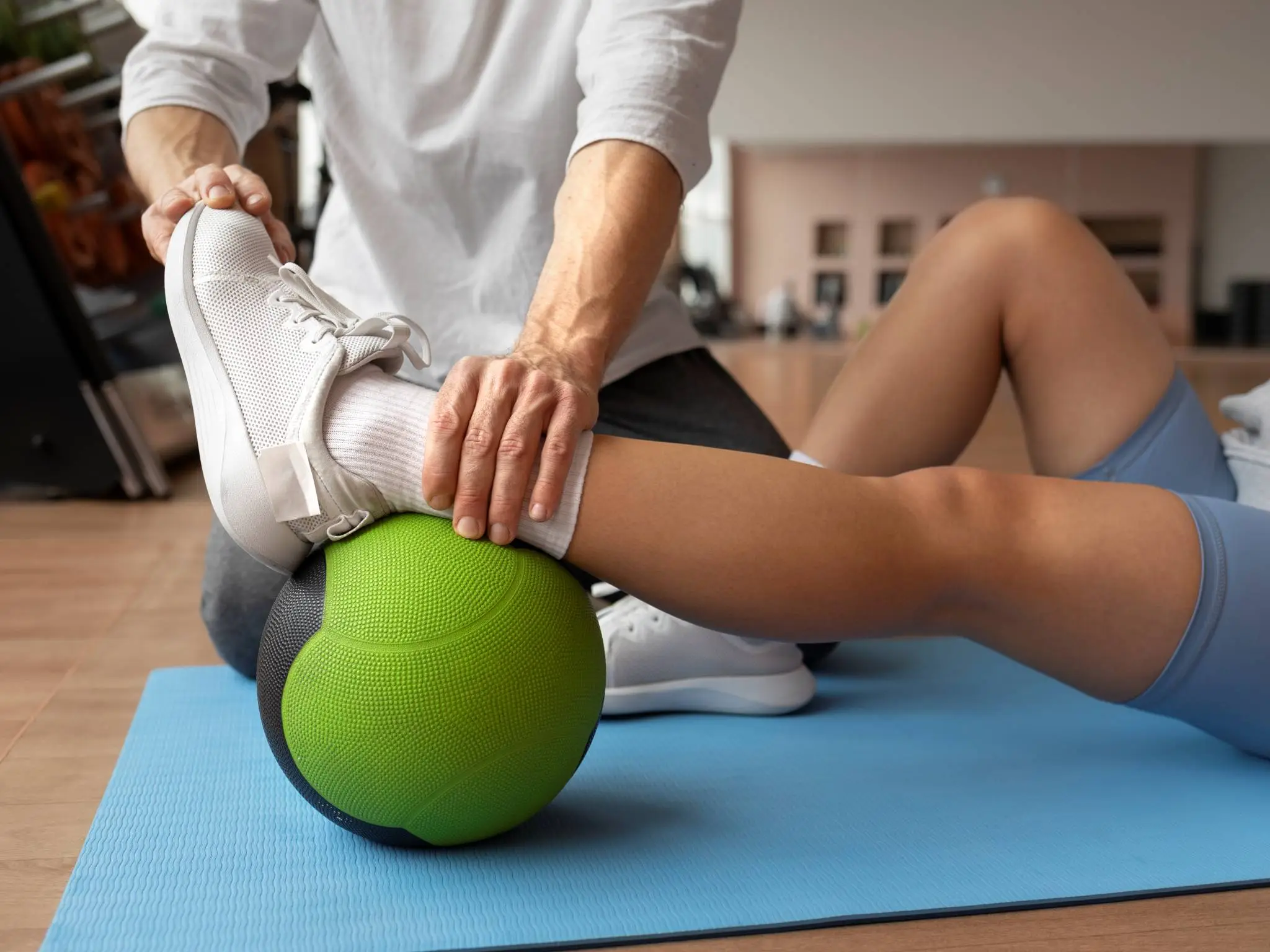
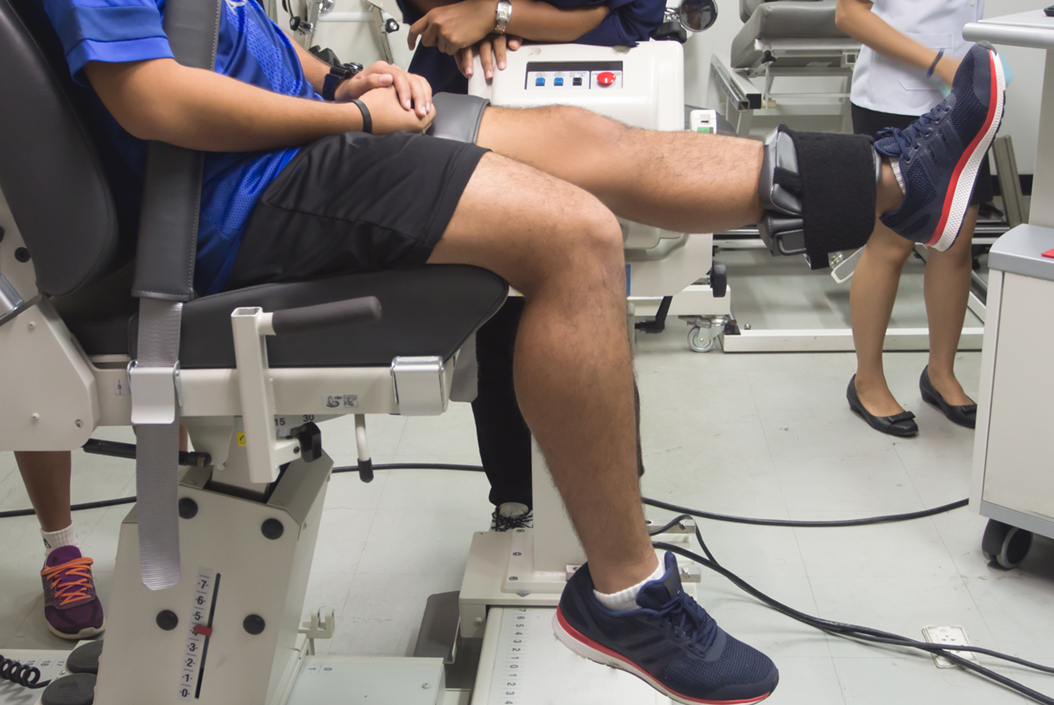
Physiotherapy-for-The-Elderly

Geriatric Physiotherapy and Rehabilitation | Expert Care for Seniors

Geriatric Physiotherapy and Rehabilitation: Enhancing Senior Health

Introduction

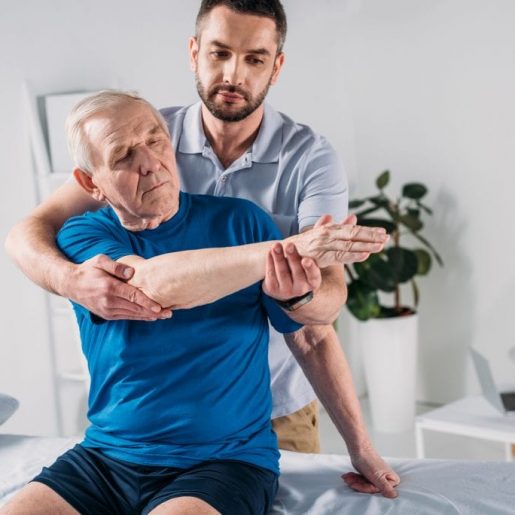
Geriatric Physiotherapy and Rehabilitation is a specialized branch of physiotherapy dedicated to the care of elderly patients. It focuses on assessing, treating, and rehabilitating age-related conditions affecting muscles, bones, joints, and connective tissues. Whether seniors are recovering from surgery, injuries, or dealing with chronic pain, geriatric physiotherapy can help restore mobility, improve functional independence, and enhance overall quality of life.

With increasing life expectancy and age-related health issues, the demand for expert geriatric physiotherapy is growing rapidly. This guide explores the benefits, techniques, and outcomes of geriatric physiotherapy and rehabilitation, offering practical insights for seniors, caregivers, and healthcare providers.

What is Geriatric Physiotherapy?

Geriatric physiotherapy focuses on the prevention, treatment, and management of age-related conditions that limit mobility or cause pain in seniors. It includes exercises, manual therapy, and rehabilitation programs specifically designed for the elderly population.

Common conditions treated include:

  • Arthritis and joint degeneration
  • Osteoporosis and bone fractures
  • Balance and gait disorders
  • Post-surgical recovery (e.g., hip or knee replacement)
  • Chronic back and neck pain
  • Neurological conditions like stroke and Parkinson’s disease

Importance of Early Geriatric Physiotherapy

Early physiotherapy intervention for seniors is crucial to maintain independence and prevent long-term complications. Starting rehabilitation soon after an injury, surgery, or mobility decline can:

  • Reduce pain and inflammation
  • Prevent stiffness and muscle weakness
  • Improve balance and coordination
  • Enhance circulation and tissue healing
  • Restore strength and functional independence

Delayed intervention can increase the risk of falls, chronic pain, and reduced quality of life.

What Is Geriatric Rehabilitation?

Geriatric rehabilitation is a structured recovery process designed to help seniors regain physical function after injury, surgery, or the onset of age-related conditions. It involves tailored exercises, manual therapy, balance training, and functional retraining to safely restore movement and confidence.

Rehabilitation plans are customized according to the senior’s physical condition, type of injury, and recovery goals.

Benefits of Geriatric Physiotherapy and Rehabilitation

Professional geriatric physiotherapy offers multiple benefits:

  • Faster Recovery: Accelerates healing after injuries or surgery
  • Pain Management: Reduces chronic joint and muscle pain
  • Improved Mobility: Restores flexibility and range of motion
  • Strength & Stability: Enhances muscle support and balance, reducing falls
  • Customized Care: Individualized rehabilitation programs for each patient
  • Enhanced Independence: Supports daily activities and overall quality of life

Phases of Geriatric Physiotherapy and Rehabilitation

Acute Phase – Pain and Inflammation Management

  • Focus: Control pain, reduce inflammation, and protect the injured area
  • Techniques: Ice therapy, compression, gentle movements, pain-relief strategies

Recovery Phase – Mobility and Flexibility

  • Goal: Restore joint movement, flexibility, and initial strength
  • Techniques: Range-of-motion exercises, stretching, soft tissue mobilization

Strengthening Phase

  • Goal: Rebuild muscle strength, improve balance and stability
  • Techniques: Resistance training, core strengthening, balance exercises

Functional and Daily Life Training

  • Goal: Prepare seniors for safe daily activities and independent living
  • Techniques: Gait training, fall-prevention exercises, functional retraining

Who Can Benefit from Geriatric Physiotherapy?

Geriatric physiotherapy is suitable for:

  • Seniors recovering from surgery or fractures
  • Individuals experiencing chronic musculoskeletal pain
  • Elderly with balance or mobility issues
  • Seniors with neurological conditions like stroke or Parkinson’s
  • Anyone aiming to improve independence and functional abilities

Injury and Fall Prevention Through Physiotherapy

One of the main objectives of geriatric physiotherapy is preventing injuries and falls. Physiotherapists assess:

  • Muscle strength and flexibility
  • Posture and gait patterns
  • Risk factors for falls and mobility limitations

Preventive physiotherapy helps:

  • Improve balance and coordination
  • Correct posture and body mechanics
  • Strengthen weak muscles
  • Reduce the likelihood of future injuries

Why Choose Professional Geriatric Physiotherapy?

Professional geriatric physiotherapists are trained to understand the physical challenges of aging. They provide:

  • Accurate assessment and diagnosis
  • Safe and progressive rehabilitation plans
  • Personalized exercise and therapy programs
  • Long-term support for maintaining independence

Conclusion

Geriatric Physiotherapy and Rehabilitation is essential for seniors to recover safely, manage pain, and maintain independence. Early and consistent physiotherapy ensures faster recovery, improved mobility, and long-term functional health. Whether recovering from surgery, a fall, or managing chronic conditions, consulting a qualified physiotherapist can significantly enhance quality of life.

Geriatric Physiotherapy FAQ

Frequently Asked Questions – Geriatric Physiotherapy

What is geriatric physiotherapy and rehabilitation?
Geriatric physiotherapy and rehabilitation is a specialized treatment aimed at seniors. It helps diagnose, treat, and restore mobility, strength, balance, and overall function in elderly patients recovering from injuries, surgery, or managing chronic conditions.
Who needs geriatric physiotherapy?
Geriatric physiotherapy is ideal for seniors dealing with arthritis, osteoporosis, post-surgical recovery, balance issues, neurological conditions, or chronic musculoskeletal pain.
How long does rehabilitation take for seniors?
Recovery time varies depending on the condition, severity of injury, and individual health. Minor injuries may heal in a few weeks, whereas post-surgery or chronic condition rehabilitation can take several months.
Is physiotherapy painful for elderly patients?
Physiotherapy is generally safe and tailored to each senior’s tolerance. While some exercises may cause mild discomfort, treatments are designed to prevent harm and promote safe recovery.
Can geriatric physiotherapy prevent falls?
Yes. Physiotherapy improves balance, strength, and posture, reducing the risk of falls and enhancing overall mobility for seniors.
When should a senior start physiotherapy after surgery or injury?
Early intervention is recommended. Starting physiotherapy soon after surgery or injury helps reduce pain, prevent stiffness, restore strength, and accelerate recovery safely.
Physiotherapy CTA Section

Visit Chowdhury Physiotherapy Centre in Dhaka or call +88 01703 724 200 for consultation. Your path to a pain-free life begins here.

📞 Call +88 01703 724 200
📍 Chamber Location: Chowdhury Physiotherapy Centre, Mirpur, Dhaka, Bangladesh
📌 Facebook: Chowdhury Physiotherapy Centre

Musculoskeletal & Orthopaedic Physiotherapy in Mirpur | Chowdhury Physiotherapy Center

Introduction

Musculoskeletal and orthopaedic physiotherapy is a specialized branch of physiotherapy focused on diagnosing, treating, and rehabilitating conditions related to the muscles, bones, joints, and connective tissues. Whether you are recovering from an injury, surgery, or suffering from chronic pain, musculoskeletal physiotherapy can help restore movement, improve function, and enhance quality of life.

With the rise of sedentary lifestyles, workplace injuries, and sports-related accidents, the demand for expert orthopaedic rehabilitation is higher than ever. This article explores the benefits, techniques, and outcomes of musculoskeletal and orthopaedic physiotherapy, providing a comprehensive guide for patients and caregivers alike.

What is Musculoskeletal & Orthopaedic Physiotherapy?

Musculoskeletal physiotherapy deals with the assessment, treatment, and prevention of disorders affecting the muscles, bones, ligaments, tendons, and joints. Orthopaedic physiotherapy, a subset of this field, specifically targets injuries and conditions related to the musculoskeletal system resulting from trauma, surgery, or degenerative diseases.

Common conditions treated include:

  • Back and neck pain
  • Shoulder, knee, and hip injuries
  • Osteoarthritis and rheumatoid arthritis
  • Sports injuries such as ligament tears and fractures
  • Post-surgical rehabilitation (e.g., after joint replacement or ACL repair)
  • Postural and ergonomic problems

Importance of Early Physiotherapy

Early intervention is crucial for optimal recovery. Starting physiotherapy soon after an injury or surgery helps:

  1. Reduce pain and inflammation
  2. Prevent muscle stiffness and joint contractures
  3. Improve circulation and tissue healing
  4. Restore mobility and strength
  5. Reduce the risk of long-term disability

Delaying physiotherapy can lead to chronic pain, limited mobility, and slower recovery.

Key Techniques in Musculoskeletal Physiotherapy

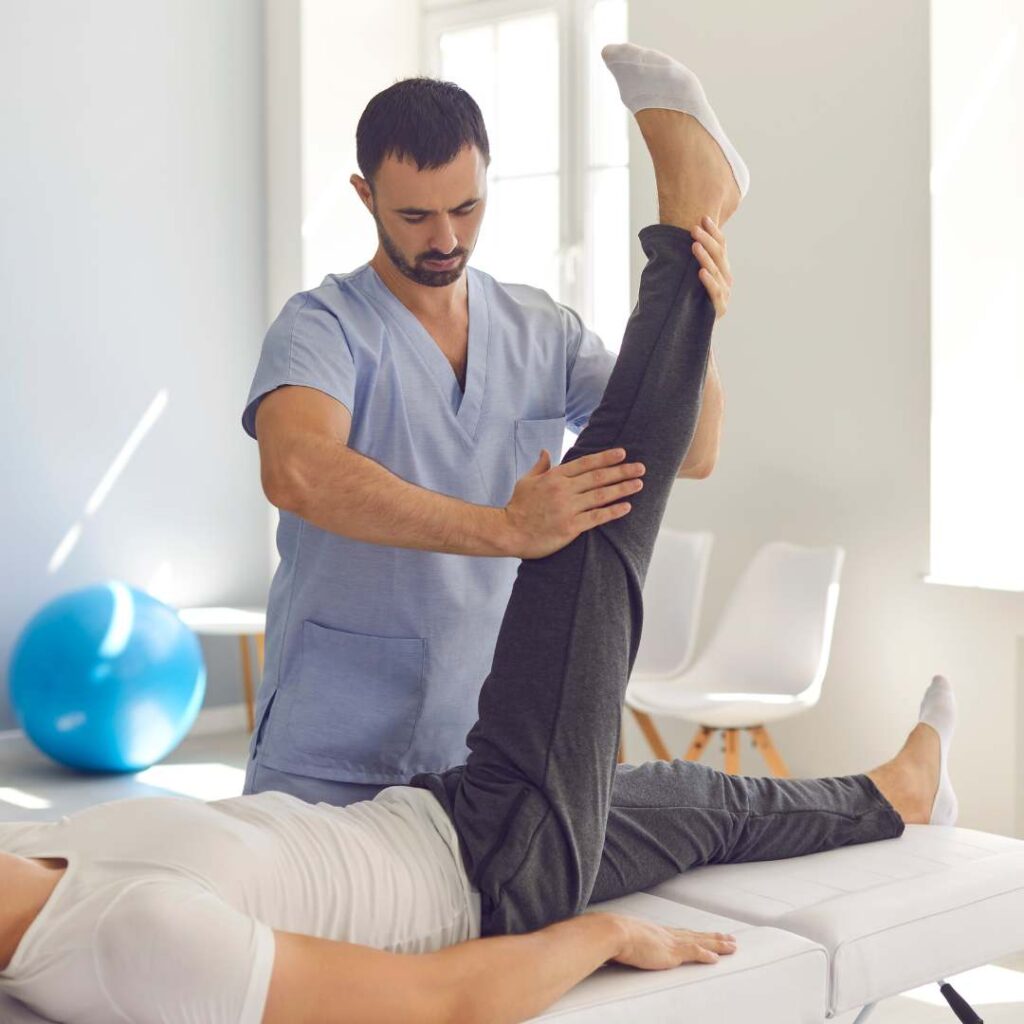
Physiotherapists use a combination of hands-on techniques, exercise programs, and modern technologies to facilitate recovery. Some common techniques include:

Manual Therapy

  • Joint mobilization and manipulation
  • Soft tissue massage
  • Myofascial release

Exercise Therapy

  • Strengthening exercises for weak muscles
  • Range-of-motion and flexibility exercises
  • Balance and coordination training

Electrotherapy & Modalities

  • Ultrasound therapy
  • TENS (Transcutaneous Electrical Nerve Stimulation)
  • Heat and cold therapy

Postural & Ergonomic Education

  • Correcting posture during daily activities
  • Ergonomic training for workplace-related injuries

Rehabilitation Programs

  • Personalized home exercise plans
  • Gradual return-to-sport or activity programs
  • Functional retraining for daily life activities

Benefits of Musculoskeletal & Orthopaedic Physiotherapy

Physiotherapy not only treats injuries but also helps in preventing future problems. Some notable benefits include:

  • Pain Management: Reduces chronic and acute pain without reliance on medication.
  • Enhanced Mobility: Restores joint movement and muscle function.
  • Improved Strength & Stability: Strengthens muscles supporting joints, reducing re-injury risk.
  • Faster Recovery: Speeds up healing after fractures, surgeries, or sports injuries.
  • Customized Care: Individualized rehabilitation plans based on the patient’s condition.

Common Conditions Treated

Some of the most common musculoskeletal and orthopaedic conditions include:

Lower Back Pain

  • Causes: Muscle strain, disc herniation, poor posture
  • Treatment: Strengthening exercises, manual therapy, posture correction

Knee Injuries

  • Causes: ACL tears, meniscus injuries, osteoarthritis
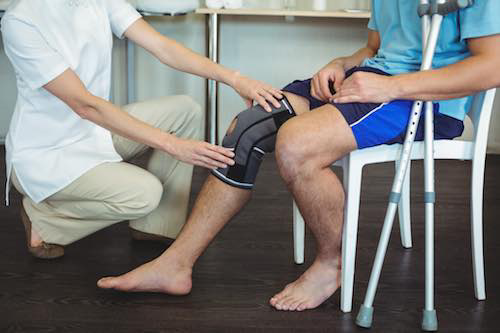
  • Treatment: Exercise therapy, braces, post-surgical rehabilitation

Shoulder Pain & Frozen Shoulder

  • Causes: Rotator cuff injuries, dislocation, arthritis
  • Treatment: Stretching, strengthening, manual therapy

Hip & Pelvic Pain

  • Causes: Hip replacement surgery, arthritis, sports injuries
  • Treatment: Strengthening, mobility exercises, gait training

Fractures & Post-Surgical Recovery

  • Focus: Restoring strength, movement, and function
  • Techniques: Mobilization, therapeutic exercises, functional training

Role of Physiotherapy in Sports Rehabilitation

Athletes are prone to injuries that can hamper performance. Physiotherapy helps them recover faster and safely return to sports. Benefits include:

  • Injury prevention through conditioning exercises
  • Pain management and swelling reduction
  • Muscle strengthening and joint stabilization
  • Gradual return-to-sport programs

How to Choose the Right Physiotherapist

When seeking musculoskeletal or orthopaedic physiotherapy, consider the following:

  • Qualifications: Ensure the physiotherapist is certified and experienced in orthopaedic rehabilitation.
  • Customized Programs: Look for personalized treatment plans.
  • Modern Techniques: Clinics using advanced therapy modalities often achieve better results.
  • Patient Feedback: Reviews and testimonials help gauge quality of care.

Conclusion

Musculoskeletal and orthopaedic physiotherapy plays a vital role in pain management, injury recovery, and rehabilitation. Early and consistent physiotherapy ensures faster recovery, improved mobility, and long-term functional independence. Whether you are recovering from surgery, sports injury, or chronic musculoskeletal problems, seeking expert physiotherapy care can significantly enhance your quality of life.

Invest in your health today by consulting a qualified physiotherapist and starting a structured rehabilitation program tailored to your needs.

Musculoskeletal & Orthopaedic Physiotherapy FAQ

Frequently Asked Questions – Musculoskeletal & Orthopaedic Physiotherapy

What is musculoskeletal physiotherapy?
Musculoskeletal physiotherapy focuses on diagnosing, treating, and rehabilitating conditions affecting muscles, bones, joints, and connective tissues to restore movement and function.
What conditions are treated by orthopaedic physiotherapy?
Common conditions include back and neck pain, joint injuries, fractures, post-surgical rehabilitation, arthritis, sports injuries, and postural or ergonomic issues.
When should physiotherapy start after an injury?
Early intervention is key. Physiotherapy should ideally start soon after injury or surgery to reduce pain, prevent stiffness, and accelerate recovery.
How long does rehabilitation take?
Recovery varies depending on the type and severity of the condition. Some cases take a few weeks, while post-surgical or severe injuries may require several months of physiotherapy.
Are physiotherapy exercises painful?
Exercises are generally safe. Mild discomfort may occur during movement, but treatments are designed to promote healing without causing harm.
Can physiotherapy prevent future injuries?
Yes. Physiotherapy strengthens muscles, improves joint stability, and corrects posture, significantly reducing the risk of future injuries.
Do I need a doctor’s referral?
While some clinics accept direct appointments, a referral is recommended for complex or post-surgical cases to ensure a proper treatment plan.

Physiotherapy CTA Section

Visit Chowdhury Physiotherapy Centre in Dhaka or call +88 01703 724 200 for consultation. Your path to a pain-free life begins here.

📞 Call +88 01703 724 200
📍 Chamber Location: Chowdhury Physiotherapy Centre, Mirpur, Dhaka, Bangladesh
📌 Facebook: Chowdhury Physiotherapy Centre
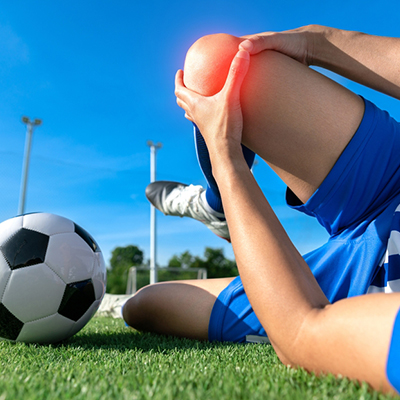
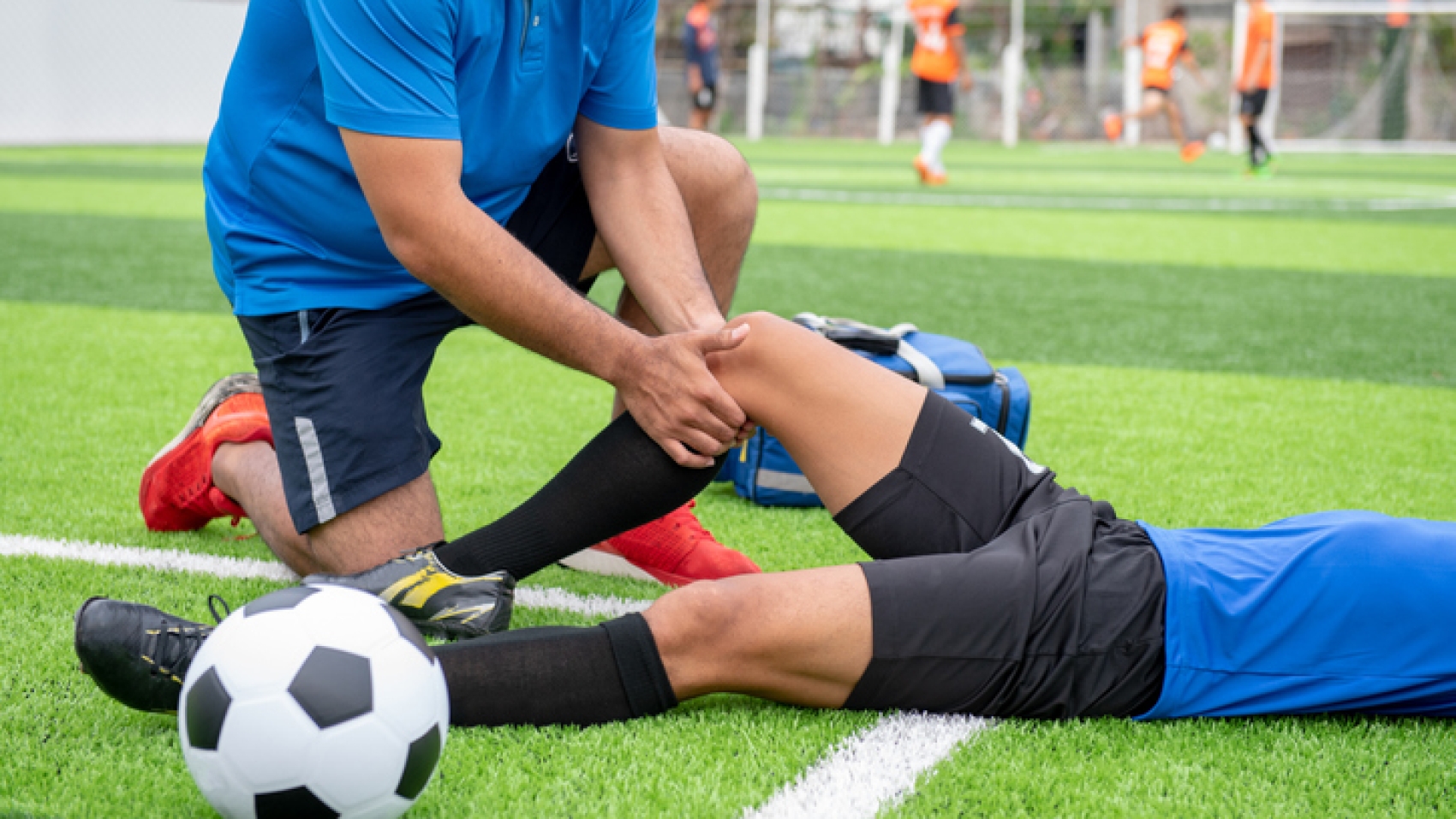
Footballer wearing a blue shirt, black pants injured in the lawn during the race.

Sports Physiotherapy and Rehabilitation | Injury Recovery & Performance Care

Introduction

Sports and physical activities play a vital role in maintaining a healthy lifestyle. However, injuries are common among athletes, fitness enthusiasts, and physically active individuals. Conditions such as muscle strains, ligament tears, knee injuries, ankle sprains, and shoulder pain can significantly affect performance and daily life. Sports physiotherapy and rehabilitation is a specialized and effective approach designed to treat these injuries, restore function, and help individuals return safely to sports and physical activities.

Sports physiotherapy focuses not only on pain relief but also on improving strength, mobility, flexibility, and overall performance. With proper rehabilitation, athletes can recover faster, reduce the risk of re-injury, and achieve long-term physical well-being.

What Is Sports Rehabilitation?

Sports rehabilitation is a structured and progressive recovery process that helps individuals regain physical function after an injury. It involves a combination of therapeutic exercises, manual therapy, and functional training designed to safely prepare the body for a return to sports and daily activities.

Rehabilitation is personalized based on the type of injury, severity, physical condition, and recovery goals of the individual.

AddCommon Sports Injuries Treated with Sports Physiotherapy Your Heading Text Here

Sports physiotherapy is highly effective in managing a wide range of injuries, including:

  • ACL and PCL ligament injuries
  • Meniscus tears
  • Ankle sprains
  • Hamstring and quadriceps strains
  • Shoulder dislocations and rotator cuff injuries
  • Tennis elbow and golfer’s elbow
  • Muscle tears and overuse injuries
  • Lower back pain related to sports

Early physiotherapy intervention can significantly speed up recovery and prevent long-term complications.

What Is Sports Rehabilitation?

Sports rehabilitation is a structured and progressive recovery process that helps individuals regain physical function after an injury. It involves a combination of therapeutic exercises, manual therapy, and functional training designed to safely prepare the body for a return to sports and daily activities.

Rehabilitation is personalized based on the type of injury, severity, physical condition, and recovery goals of the individual.

Phases of Sports Physiotherapy and Rehabilitation

Acute Phase – Pain and Swelling Management

The initial phase focuses on controlling pain and inflammation while protecting the injured area.

Key treatments include:

  • Ice therapy

  • Compression and elevation

  • Gentle movements to prevent stiffness

  • Pain-relief techniques

Recovery Phase – Mobility and Flexibility

This phase aims to restore normal joint movement and muscle flexibility.

Treatment methods:

  • Range-of-motion exercises
  • Stretching programs
  • Soft tissue mobilization

Strengthening Phase

Once mobility improves, strengthening exercises are introduced to rebuild muscle power and joint stability.

Key components:

  • Resistance training

  • Core strengthening

  • Balance and proprioception exercises

Functional and Sports-Specific Training

This is the final and most important phase of rehabilitation. The focus is on preparing the individual for real-life sports movements.

Exercises may include:

  • Agility drills

  • Jumping and landing techniques

  • Sport-specific functional training

Benefits of Sports Physiotherapy and Rehabilitation

Choosing professional sports physiotherapy offers several long-term benefits:
  • Faster and safer recovery
  • Reduced need for surgical intervention
  • Lower risk of re-injury
  • Improved strength and flexibility
  • Enhanced sports performance
  • Increased confidence during physical activity

Who Can Benefit from Sports Physiotherapy?

Sports physiotherapy is not limited to elite athletes. It is beneficial for:

  • Professional and amateur athletes
  • Fitness enthusiasts and gym users
  • Runners and sports lovers
  • Individuals recovering from sports-related injuries
  • Anyone experiencing pain due to physical activity

Injury Prevention Through Sports Physiotherapy

One of the most important roles of sports physiotherapy is injury prevention. Physiotherapists assess movement patterns, muscle imbalances, posture, and flexibility to identify risk factors.

Preventive physiotherapy helps:

  • Improve movement efficiency
  • Correct poor posture and technique
  • Strengthen weak muscle groups
  • Reduce the likelihood of future injuries

Why Choose Professional Sports Physiotherapy?

Professional sports physiotherapists are trained to understand the physical demands of sports and exercise. They design personalized treatment plans based on scientific principles and real-world performance requirements.

Proper sports physiotherapy ensures:

  • Accurate injury assessment
  • Safe and progressive recovery
  • Long-term physical health and performance

Conclusion

Sports physiotherapy and rehabilitation is one of the most effective ways to recover from sports-related injuries and return to an active lifestyle safely. By addressing pain, restoring strength, and improving movement, sports physiotherapy helps individuals regain confidence and perform at their best.

Whether you are a professional athlete or someone who enjoys staying active, timely and professional sports physiotherapy can make a significant difference in your recovery and overall physical health.

Sports Physiotherapy FAQ

Frequently Asked Questions – Sports Physiotherapy

What is sports physiotherapy and rehabilitation?
Sports physiotherapy and rehabilitation is a specialized treatment that focuses on diagnosing, treating, and recovering from sports-related injuries. It helps restore strength, mobility, and function while ensuring a safe return to physical activity.
Who needs sports physiotherapy treatment?
Sports physiotherapy is suitable for professional athletes, recreational players, gym users, runners, and anyone experiencing pain or injury due to physical activity or exercise.
How long does sports injury rehabilitation take?
Recovery time depends on the type and severity of the injury. Minor injuries may heal within a few weeks, while ligament or muscle injuries may require several months of rehabilitation.
Is sports physiotherapy painful?
Sports physiotherapy is generally safe and controlled. Some discomfort may occur during exercises, but treatments are designed to promote healing without causing harm.
Can sports physiotherapy prevent future injuries?
Yes. Sports physiotherapy improves muscle balance, posture, and movement patterns, which significantly reduces the risk of future sports-related injuries.
When can I return to sports after physiotherapy?
Return to sports depends on your recovery progress. A sports physiotherapist will assess strength, flexibility, and functional movement before giving clearance for sports activities.
Physiotherapy CTA Section

Visit Chowdhury Physiotherapy Centre in Dhaka or call +88 01703 724 200 for consultation. Your path to a pain-free life begins here.

📞 Call +88 01703 724 200
📍 Chamber Location: Chowdhury Physiotherapy Centre, Mirpur, Dhaka, Bangladesh
📌 Facebook: Chowdhury Physiotherapy Centre