
Introduction
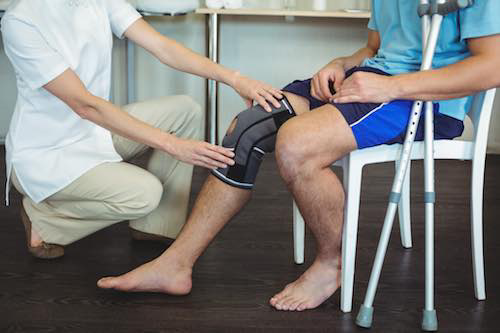
Musculoskeletal and orthopaedic physiotherapy is a specialized branch of physiotherapy focused on diagnosing, treating, and rehabilitating conditions related to the muscles, bones, joints, and connective tissues. Whether you are recovering from an injury, surgery, or suffering from chronic pain, musculoskeletal physiotherapy can help restore movement, improve function, and enhance quality of life.
With the rise of sedentary lifestyles, workplace injuries, and sports-related accidents, the demand for expert orthopaedic rehabilitation is higher than ever. This article explores the benefits, techniques, and outcomes of musculoskeletal and orthopaedic physiotherapy, providing a comprehensive guide for patients and caregivers alike.
What is Musculoskeletal & Orthopaedic Physiotherapy?
Musculoskeletal physiotherapy deals with the assessment, treatment, and prevention of disorders affecting the muscles, bones, ligaments, tendons, and joints. Orthopaedic physiotherapy, a subset of this field, specifically targets injuries and conditions related to the musculoskeletal system resulting from trauma, surgery, or degenerative diseases.
Common conditions treated include:
- Back and neck pain
- Shoulder, knee, and hip injuries
- Osteoarthritis and rheumatoid arthritis
- Sports injuries such as ligament tears and fractures
- Post-surgical rehabilitation (e.g., after joint replacement or ACL repair)
- Postural and ergonomic problems
Importance of Early Physiotherapy
Early intervention is crucial for optimal recovery. Starting physiotherapy soon after an injury or surgery helps:
- Reduce pain and inflammation
- Prevent muscle stiffness and joint contractures
- Improve circulation and tissue healing
- Restore mobility and strength
- Reduce the risk of long-term disability
Delaying physiotherapy can lead to chronic pain, limited mobility, and slower recovery.


Key Techniques in Musculoskeletal Physiotherapy
Physiotherapists use a combination of hands-on techniques, exercise programs, and modern technologies to facilitate recovery. Some common techniques include:
Manual Therapy
- Joint mobilization and manipulation
- Soft tissue massage
- Myofascial release
Exercise Therapy
- Strengthening exercises for weak muscles
- Range-of-motion and flexibility exercises
- Balance and coordination training
Electrotherapy & Modalities
- Ultrasound therapy
- TENS (Transcutaneous Electrical Nerve Stimulation)
- Heat and cold therapy
Postural & Ergonomic Education
- Correcting posture during daily activities
- Ergonomic training for workplace-related injuries
Rehabilitation Programs
- Personalized home exercise plans
- Gradual return-to-sport or activity programs
- Functional retraining for daily life activities
Benefits of Musculoskeletal & Orthopaedic Physiotherapy
Physiotherapy not only treats injuries but also helps in preventing future problems. Some notable benefits include:
- Pain Management: Reduces chronic and acute pain without reliance on medication.
- Enhanced Mobility: Restores joint movement and muscle function.
- Improved Strength & Stability: Strengthens muscles supporting joints, reducing re-injury risk.
- Faster Recovery: Speeds up healing after fractures, surgeries, or sports injuries.
- Customized Care: Individualized rehabilitation plans based on the patient’s condition.

Common Conditions Treated
Some of the most common musculoskeletal and orthopaedic conditions include:
Lower Back Pain
- Causes: Muscle strain, disc herniation, poor posture
- Treatment: Strengthening exercises, manual therapy, posture correction
Knee Injuries
- Causes: ACL tears, meniscus injuries, osteoarthritis
- Treatment: Exercise therapy, braces, post-surgical rehabilitation
Shoulder Pain & Frozen Shoulder
- Causes: Rotator cuff injuries, dislocation, arthritis
- Treatment: Stretching, strengthening, manual therapy
Hip & Pelvic Pain
- Causes: Hip replacement surgery, arthritis, sports injuries
- Treatment: Strengthening, mobility exercises, gait training
Fractures & Post-Surgical Recovery
- Focus: Restoring strength, movement, and function
- Techniques: Mobilization, therapeutic exercises, functional training
Role of Physiotherapy in Sports Rehabilitation
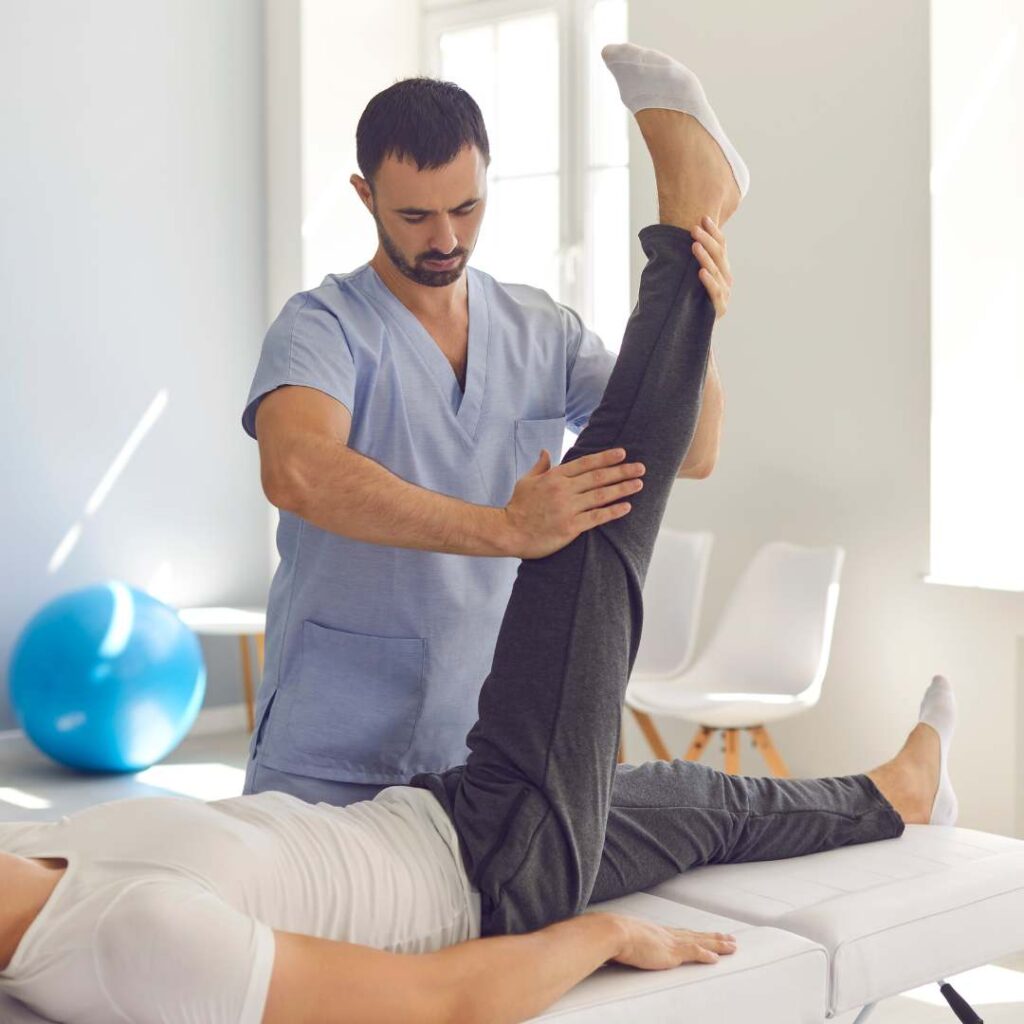
Athletes are prone to injuries that can hamper performance. Physiotherapy helps them recover faster and safely return to sports. Benefits include:
- Injury prevention through conditioning exercises
- Pain management and swelling reduction
- Muscle strengthening and joint stabilization
- Gradual return-to-sport programs
How to Choose the Right Physiotherapist
When seeking musculoskeletal or orthopaedic physiotherapy, consider the following:
- Qualifications: Ensure the physiotherapist is certified and experienced in orthopaedic rehabilitation.
- Customized Programs: Look for personalized treatment plans.
- Modern Techniques: Clinics using advanced therapy modalities often achieve better results.
- Patient Feedback: Reviews and testimonials help gauge quality of care.

Conclusion
Musculoskeletal and orthopaedic physiotherapy plays a vital role in pain management, injury recovery, and rehabilitation. Early and consistent physiotherapy ensures faster recovery, improved mobility, and long-term functional independence. Whether you are recovering from surgery, sports injury, or chronic musculoskeletal problems, seeking expert physiotherapy care can significantly enhance your quality of life.
Invest in your health today by consulting a qualified physiotherapist and starting a structured rehabilitation program tailored to your needs.
Frequently Asked Questions – Musculoskeletal & Orthopaedic Physiotherapy
Visit Chowdhury Physiotherapy Centre in Dhaka or call +88 01703 724 200 for consultation. Your path to a pain-free life begins here.
📞 Call +88 01703 724 200Comments are closed.