

Geriatric Physiotherapy and Rehabilitation: Enhancing Senior Health

Introduction
Geriatric Physiotherapy and Rehabilitation is a specialized branch of physiotherapy dedicated to the care of elderly patients. It focuses on assessing, treating, and rehabilitating age-related conditions affecting muscles, bones, joints, and connective tissues. Whether seniors are recovering from surgery, injuries, or dealing with chronic pain, geriatric physiotherapy can help restore mobility, improve functional independence, and enhance overall quality of life.
With increasing life expectancy and age-related health issues, the demand for expert geriatric physiotherapy is growing rapidly. This guide explores the benefits, techniques, and outcomes of geriatric physiotherapy and rehabilitation, offering practical insights for seniors, caregivers, and healthcare providers.
What is Geriatric Physiotherapy?
Geriatric physiotherapy focuses on the prevention, treatment, and management of age-related conditions that limit mobility or cause pain in seniors. It includes exercises, manual therapy, and rehabilitation programs specifically designed for the elderly population.
Common conditions treated include:
- Arthritis and joint degeneration
- Osteoporosis and bone fractures
- Balance and gait disorders
- Post-surgical recovery (e.g., hip or knee replacement)
- Chronic back and neck pain
- Neurological conditions like stroke and Parkinson’s disease
Importance of Early Geriatric Physiotherapy
Early physiotherapy intervention for seniors is crucial to maintain independence and prevent long-term complications. Starting rehabilitation soon after an injury, surgery, or mobility decline can:
- Reduce pain and inflammation
- Prevent stiffness and muscle weakness
- Improve balance and coordination
- Enhance circulation and tissue healing
- Restore strength and functional independence
Delayed intervention can increase the risk of falls, chronic pain, and reduced quality of life.

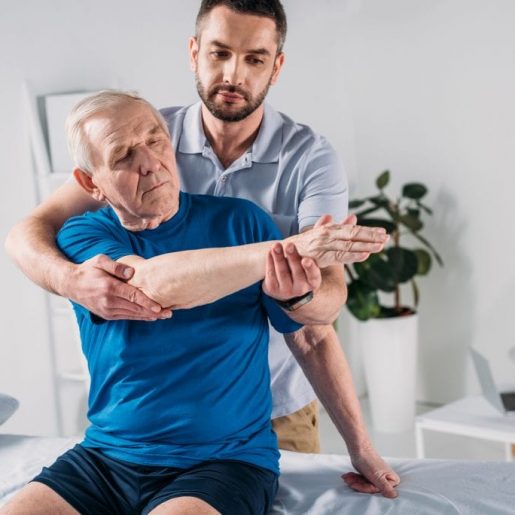
What Is Geriatric Rehabilitation?
Geriatric rehabilitation is a structured recovery process designed to help seniors regain physical function after injury, surgery, or the onset of age-related conditions. It involves tailored exercises, manual therapy, balance training, and functional retraining to safely restore movement and confidence.
Rehabilitation plans are customized according to the senior’s physical condition, type of injury, and recovery goals.
Benefits of Geriatric Physiotherapy and Rehabilitation
Professional geriatric physiotherapy offers multiple benefits:
- Faster Recovery: Accelerates healing after injuries or surgery
- Pain Management: Reduces chronic joint and muscle pain
- Improved Mobility: Restores flexibility and range of motion
- Strength & Stability: Enhances muscle support and balance, reducing falls
- Customized Care: Individualized rehabilitation programs for each patient
- Enhanced Independence: Supports daily activities and overall quality of life

Phases of Geriatric Physiotherapy and Rehabilitation
Acute Phase – Pain and Inflammation Management
- Focus: Control pain, reduce inflammation, and protect the injured area
- Techniques: Ice therapy, compression, gentle movements, pain-relief strategies
Recovery Phase – Mobility and Flexibility
- Goal: Restore joint movement, flexibility, and initial strength
- Techniques: Range-of-motion exercises, stretching, soft tissue mobilization
Strengthening Phase
- Goal: Rebuild muscle strength, improve balance and stability
- Techniques: Resistance training, core strengthening, balance exercises
Functional and Daily Life Training
- Goal: Prepare seniors for safe daily activities and independent living
- Techniques: Gait training, fall-prevention exercises, functional retraining

Who Can Benefit from Geriatric Physiotherapy?
Geriatric physiotherapy is suitable for:
- Seniors recovering from surgery or fractures
- Individuals experiencing chronic musculoskeletal pain
- Elderly with balance or mobility issues
- Seniors with neurological conditions like stroke or Parkinson’s
- Anyone aiming to improve independence and functional abilities

Injury and Fall Prevention Through Physiotherapy
One of the main objectives of geriatric physiotherapy is preventing injuries and falls. Physiotherapists assess:
- Muscle strength and flexibility
- Posture and gait patterns
- Risk factors for falls and mobility limitations
Preventive physiotherapy helps:
- Improve balance and coordination
- Correct posture and body mechanics
- Strengthen weak muscles
- Reduce the likelihood of future injuries
Why Choose Professional Geriatric Physiotherapy?

Professional geriatric physiotherapists are trained to understand the physical challenges of aging. They provide:
- Accurate assessment and diagnosis
- Safe and progressive rehabilitation plans
- Personalized exercise and therapy programs
- Long-term support for maintaining independence
Conclusion
Geriatric Physiotherapy and Rehabilitation is essential for seniors to recover safely, manage pain, and maintain independence. Early and consistent physiotherapy ensures faster recovery, improved mobility, and long-term functional health. Whether recovering from surgery, a fall, or managing chronic conditions, consulting a qualified physiotherapist can significantly enhance quality of life.
Frequently Asked Questions – Geriatric Physiotherapy
Visit Chowdhury Physiotherapy Centre in Dhaka or call +88 01703 724 200 for consultation. Your path to a pain-free life begins here.
📞 Call +88 01703 724 200Musculoskeletal & Orthopaedic Physiotherapy in Mirpur | Chowdhury Physiotherapy Center
Introduction
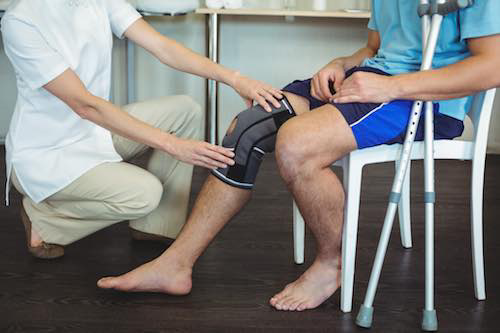
Musculoskeletal and orthopaedic physiotherapy is a specialized branch of physiotherapy focused on diagnosing, treating, and rehabilitating conditions related to the muscles, bones, joints, and connective tissues. Whether you are recovering from an injury, surgery, or suffering from chronic pain, musculoskeletal physiotherapy can help restore movement, improve function, and enhance quality of life.
With the rise of sedentary lifestyles, workplace injuries, and sports-related accidents, the demand for expert orthopaedic rehabilitation is higher than ever. This article explores the benefits, techniques, and outcomes of musculoskeletal and orthopaedic physiotherapy, providing a comprehensive guide for patients and caregivers alike.
What is Musculoskeletal & Orthopaedic Physiotherapy?
Musculoskeletal physiotherapy deals with the assessment, treatment, and prevention of disorders affecting the muscles, bones, ligaments, tendons, and joints. Orthopaedic physiotherapy, a subset of this field, specifically targets injuries and conditions related to the musculoskeletal system resulting from trauma, surgery, or degenerative diseases.
Common conditions treated include:
- Back and neck pain
- Shoulder, knee, and hip injuries
- Osteoarthritis and rheumatoid arthritis
- Sports injuries such as ligament tears and fractures
- Post-surgical rehabilitation (e.g., after joint replacement or ACL repair)
- Postural and ergonomic problems
Importance of Early Physiotherapy
Early intervention is crucial for optimal recovery. Starting physiotherapy soon after an injury or surgery helps:
- Reduce pain and inflammation
- Prevent muscle stiffness and joint contractures
- Improve circulation and tissue healing
- Restore mobility and strength
- Reduce the risk of long-term disability
Delaying physiotherapy can lead to chronic pain, limited mobility, and slower recovery.


Key Techniques in Musculoskeletal Physiotherapy
Physiotherapists use a combination of hands-on techniques, exercise programs, and modern technologies to facilitate recovery. Some common techniques include:
Manual Therapy
- Joint mobilization and manipulation
- Soft tissue massage
- Myofascial release
Exercise Therapy
- Strengthening exercises for weak muscles
- Range-of-motion and flexibility exercises
- Balance and coordination training
Electrotherapy & Modalities
- Ultrasound therapy
- TENS (Transcutaneous Electrical Nerve Stimulation)
- Heat and cold therapy
Postural & Ergonomic Education
- Correcting posture during daily activities
- Ergonomic training for workplace-related injuries
Rehabilitation Programs
- Personalized home exercise plans
- Gradual return-to-sport or activity programs
- Functional retraining for daily life activities
Benefits of Musculoskeletal & Orthopaedic Physiotherapy
Physiotherapy not only treats injuries but also helps in preventing future problems. Some notable benefits include:
- Pain Management: Reduces chronic and acute pain without reliance on medication.
- Enhanced Mobility: Restores joint movement and muscle function.
- Improved Strength & Stability: Strengthens muscles supporting joints, reducing re-injury risk.
- Faster Recovery: Speeds up healing after fractures, surgeries, or sports injuries.
- Customized Care: Individualized rehabilitation plans based on the patient’s condition.
Common Conditions Treated
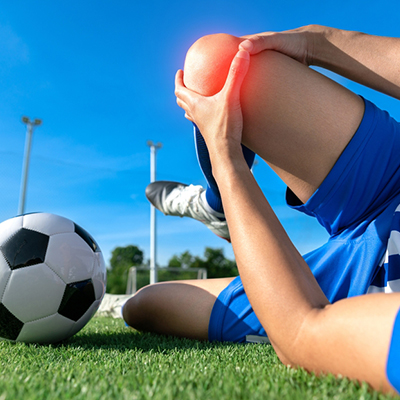
Some of the most common musculoskeletal and orthopaedic conditions include:
Lower Back Pain
- Causes: Muscle strain, disc herniation, poor posture
- Treatment: Strengthening exercises, manual therapy, posture correction
Knee Injuries
- Causes: ACL tears, meniscus injuries, osteoarthritis
- Treatment: Exercise therapy, braces, post-surgical rehabilitation
Shoulder Pain & Frozen Shoulder
- Causes: Rotator cuff injuries, dislocation, arthritis
- Treatment: Stretching, strengthening, manual therapy
Hip & Pelvic Pain
- Causes: Hip replacement surgery, arthritis, sports injuries
- Treatment: Strengthening, mobility exercises, gait training
Fractures & Post-Surgical Recovery
- Focus: Restoring strength, movement, and function
- Techniques: Mobilization, therapeutic exercises, functional training
Role of Physiotherapy in Sports Rehabilitation
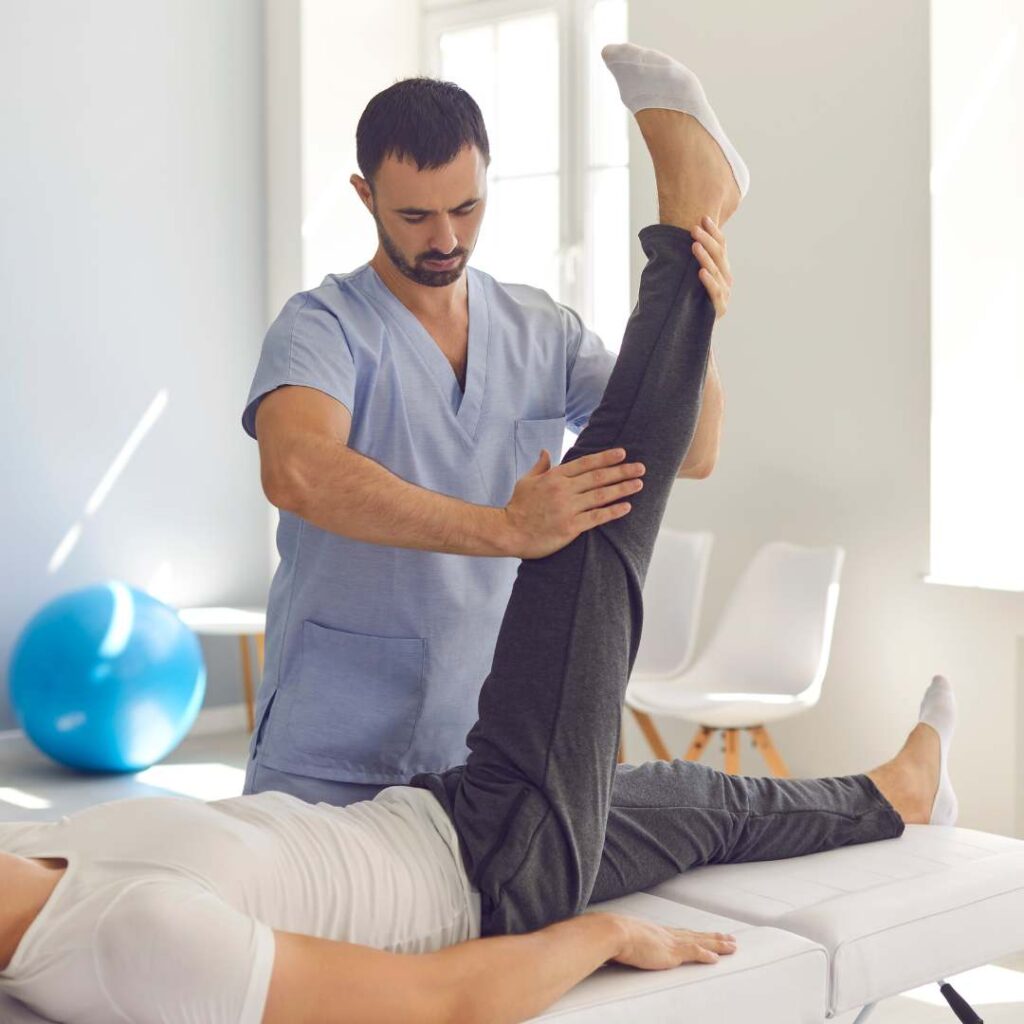
Athletes are prone to injuries that can hamper performance. Physiotherapy helps them recover faster and safely return to sports. Benefits include:
- Injury prevention through conditioning exercises
- Pain management and swelling reduction
- Muscle strengthening and joint stabilization
- Gradual return-to-sport programs
How to Choose the Right Physiotherapist
When seeking musculoskeletal or orthopaedic physiotherapy, consider the following:
- Qualifications: Ensure the physiotherapist is certified and experienced in orthopaedic rehabilitation.
- Customized Programs: Look for personalized treatment plans.
- Modern Techniques: Clinics using advanced therapy modalities often achieve better results.
- Patient Feedback: Reviews and testimonials help gauge quality of care.

Conclusion
Musculoskeletal and orthopaedic physiotherapy plays a vital role in pain management, injury recovery, and rehabilitation. Early and consistent physiotherapy ensures faster recovery, improved mobility, and long-term functional independence. Whether you are recovering from surgery, sports injury, or chronic musculoskeletal problems, seeking expert physiotherapy care can significantly enhance your quality of life.
Invest in your health today by consulting a qualified physiotherapist and starting a structured rehabilitation program tailored to your needs.
Frequently Asked Questions – Musculoskeletal & Orthopaedic Physiotherapy
Visit Chowdhury Physiotherapy Centre in Dhaka or call +88 01703 724 200 for consultation. Your path to a pain-free life begins here.
📞 Call +88 01703 724 200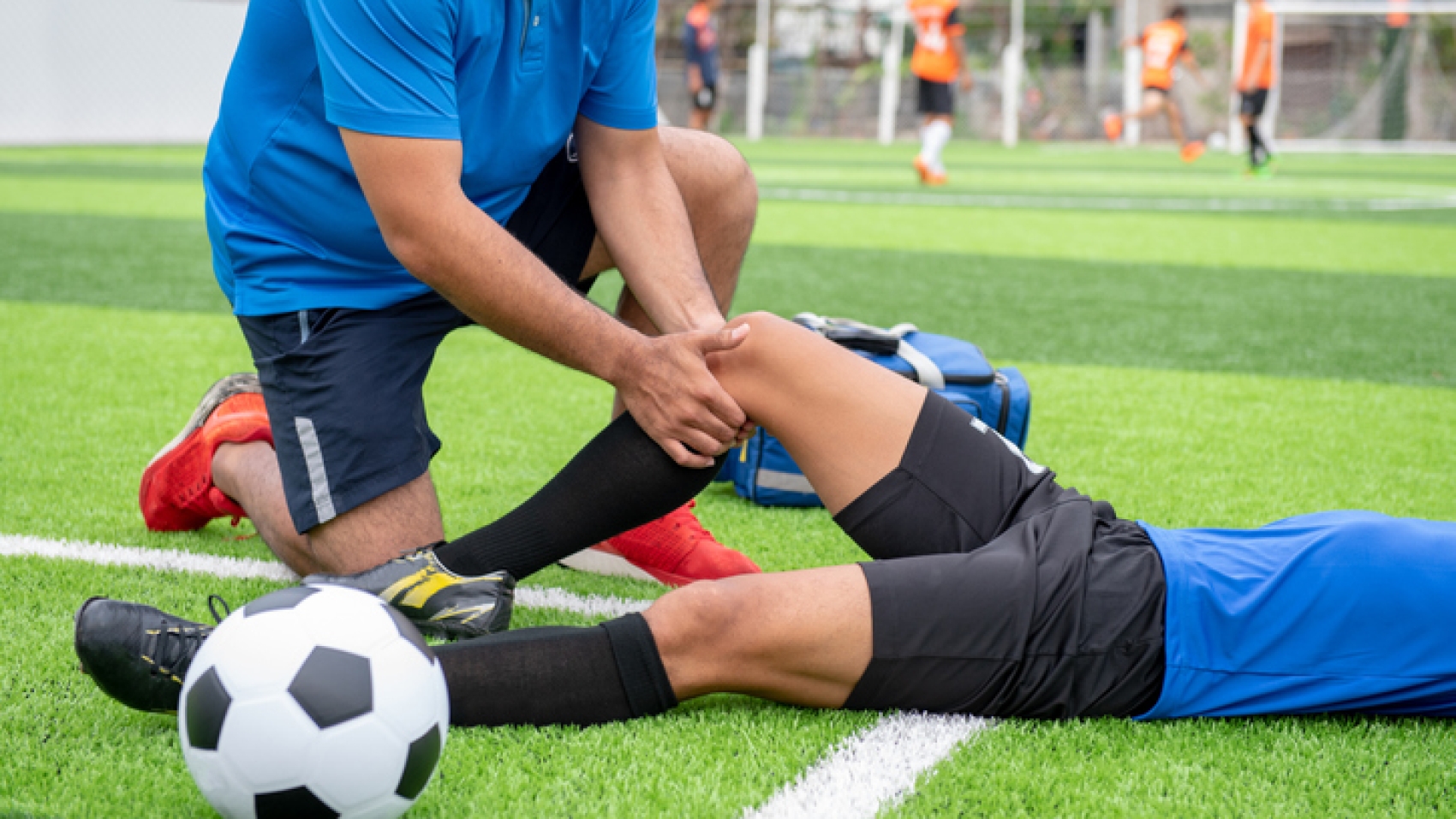
Sports Physiotherapy and Rehabilitation | Injury Recovery & Performance Care
Introduction
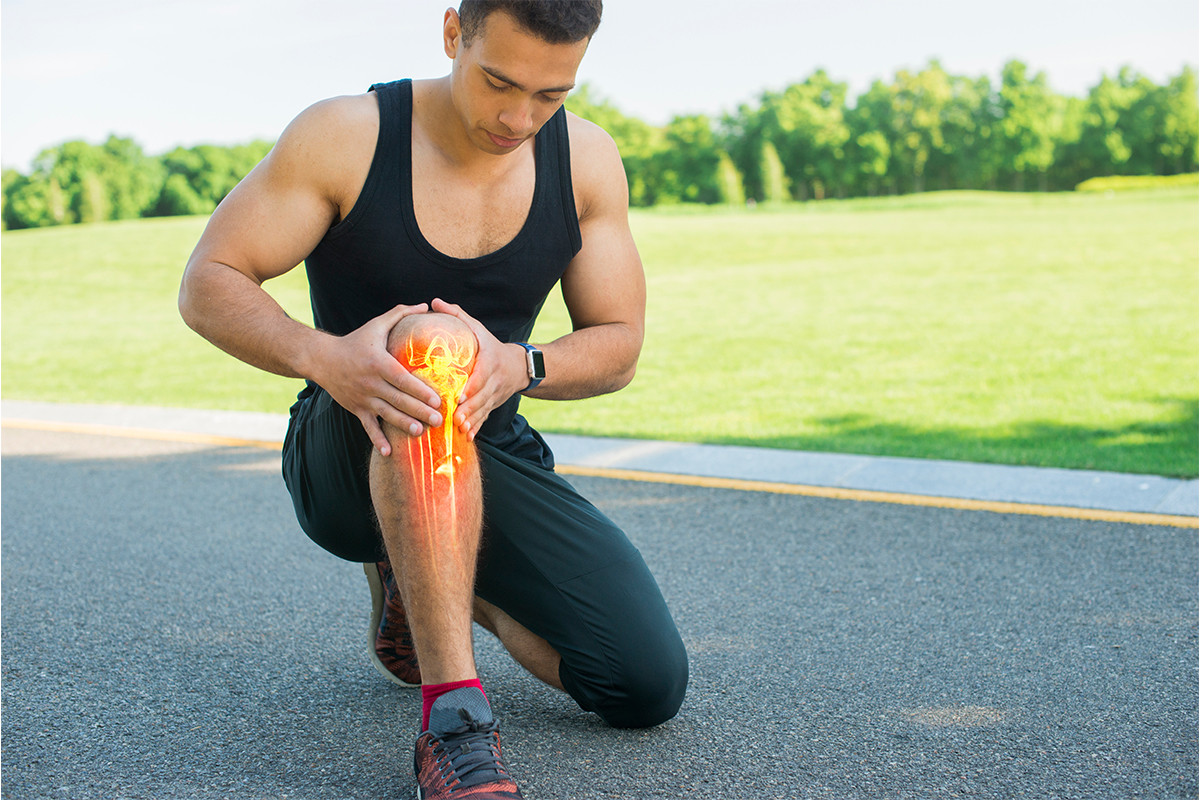
Sports and physical activities play a vital role in maintaining a healthy lifestyle. However, injuries are common among athletes, fitness enthusiasts, and physically active individuals. Conditions such as muscle strains, ligament tears, knee injuries, ankle sprains, and shoulder pain can significantly affect performance and daily life. Sports physiotherapy and rehabilitation is a specialized and effective approach designed to treat these injuries, restore function, and help individuals return safely to sports and physical activities.
Sports physiotherapy focuses not only on pain relief but also on improving strength, mobility, flexibility, and overall performance. With proper rehabilitation, athletes can recover faster, reduce the risk of re-injury, and achieve long-term physical well-being.
What Is Sports Rehabilitation?
Sports rehabilitation is a structured and progressive recovery process that helps individuals regain physical function after an injury. It involves a combination of therapeutic exercises, manual therapy, and functional training designed to safely prepare the body for a return to sports and daily activities.
Rehabilitation is personalized based on the type of injury, severity, physical condition, and recovery goals of the individual.
AddCommon Sports Injuries Treated with Sports Physiotherapy Your Heading Text Here
Sports physiotherapy is highly effective in managing a wide range of injuries, including:
- ACL and PCL ligament injuries
- Meniscus tears
- Ankle sprains
- Hamstring and quadriceps strains
- Shoulder dislocations and rotator cuff injuries
- Tennis elbow and golfer’s elbow
- Muscle tears and overuse injuries
- Lower back pain related to sports
Early physiotherapy intervention can significantly speed up recovery and prevent long-term complications.
What Is Sports Rehabilitation?
Sports rehabilitation is a structured and progressive recovery process that helps individuals regain physical function after an injury. It involves a combination of therapeutic exercises, manual therapy, and functional training designed to safely prepare the body for a return to sports and daily activities.
Rehabilitation is personalized based on the type of injury, severity, physical condition, and recovery goals of the individual.
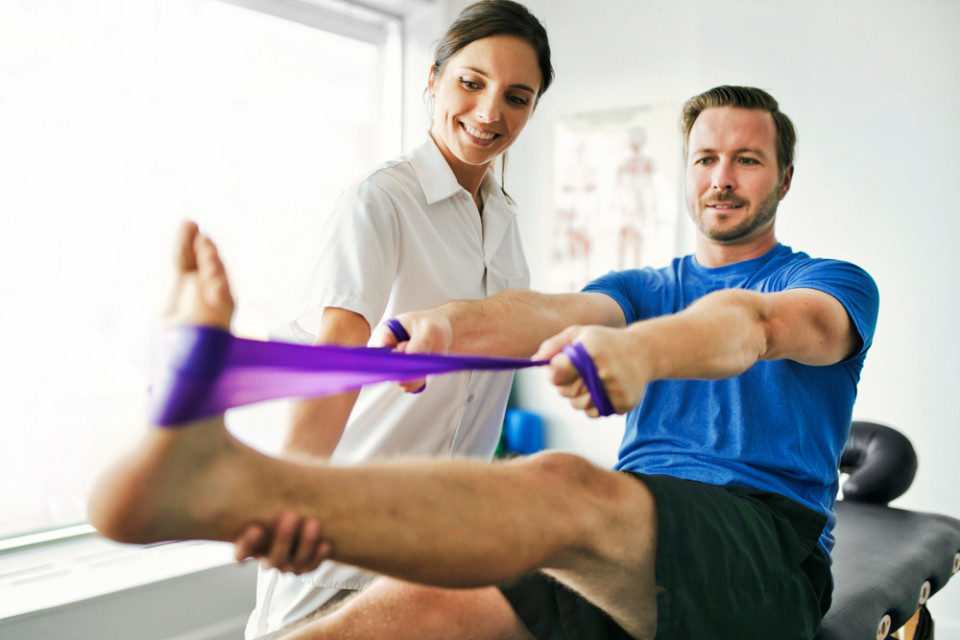
Phases of Sports Physiotherapy and Rehabilitation
Acute Phase – Pain and Swelling Management
The initial phase focuses on controlling pain and inflammation while protecting the injured area.
Key treatments include:
Ice therapy
Compression and elevation
Gentle movements to prevent stiffness
Pain-relief techniques
Recovery Phase – Mobility and Flexibility
This phase aims to restore normal joint movement and muscle flexibility.
Treatment methods:
- Range-of-motion exercises
- Stretching programs
- Soft tissue mobilization
Strengthening Phase
Once mobility improves, strengthening exercises are introduced to rebuild muscle power and joint stability.
Key components:
Resistance training
Core strengthening
Balance and proprioception exercises
Functional and Sports-Specific Training
This is the final and most important phase of rehabilitation. The focus is on preparing the individual for real-life sports movements.
Exercises may include:
Agility drills
Jumping and landing techniques
Sport-specific functional training
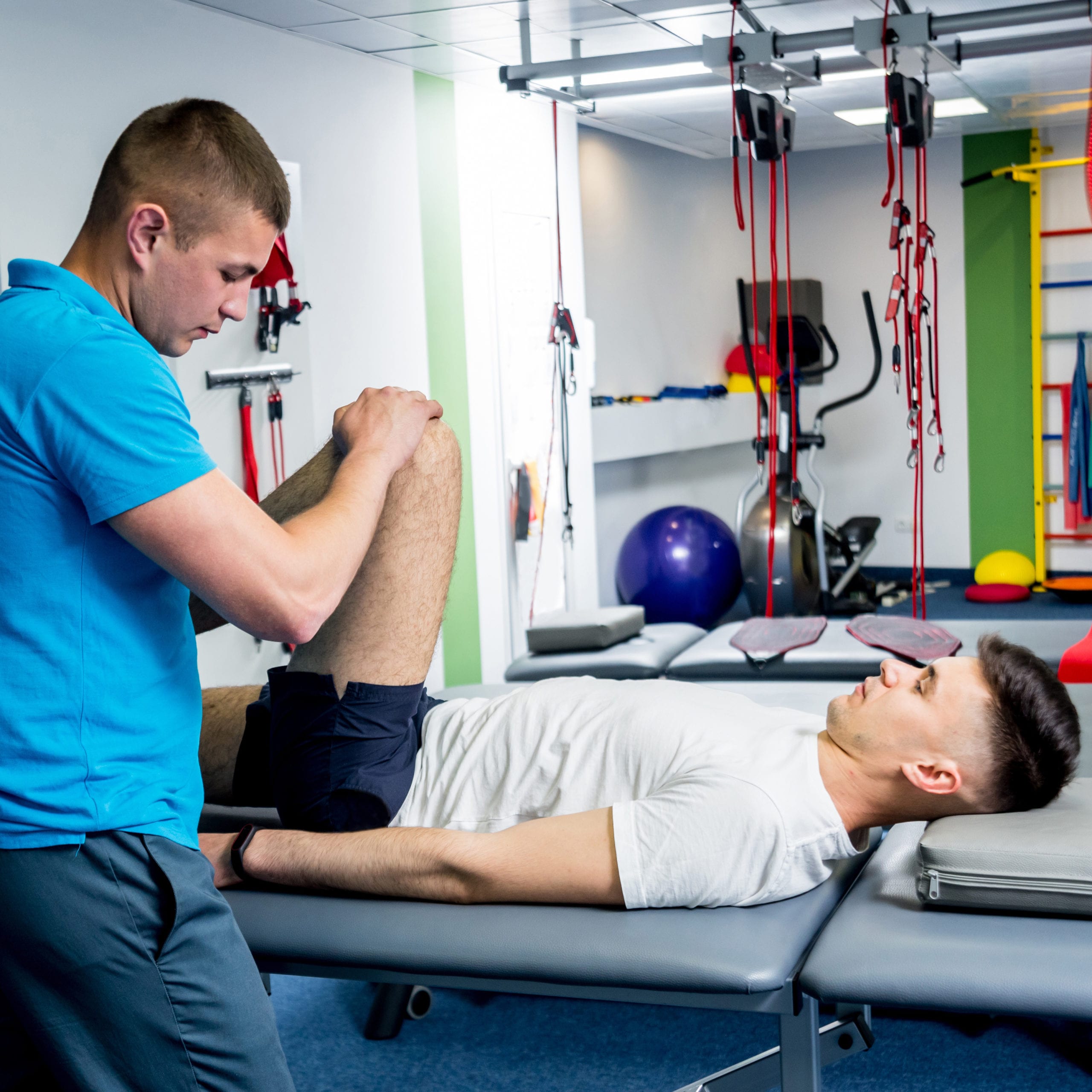
Benefits of Sports Physiotherapy and Rehabilitation
Choosing professional sports physiotherapy offers several long-term benefits:
- Faster and safer recovery
- Reduced need for surgical intervention
- Lower risk of re-injury
- Improved strength and flexibility
- Enhanced sports performance
- Increased confidence during physical activity
Who Can Benefit from Sports Physiotherapy?
Sports physiotherapy is not limited to elite athletes. It is beneficial for:
- Professional and amateur athletes
- Fitness enthusiasts and gym users
- Runners and sports lovers
- Individuals recovering from sports-related injuries
- Anyone experiencing pain due to physical activity
Injury Prevention Through Sports Physiotherapy
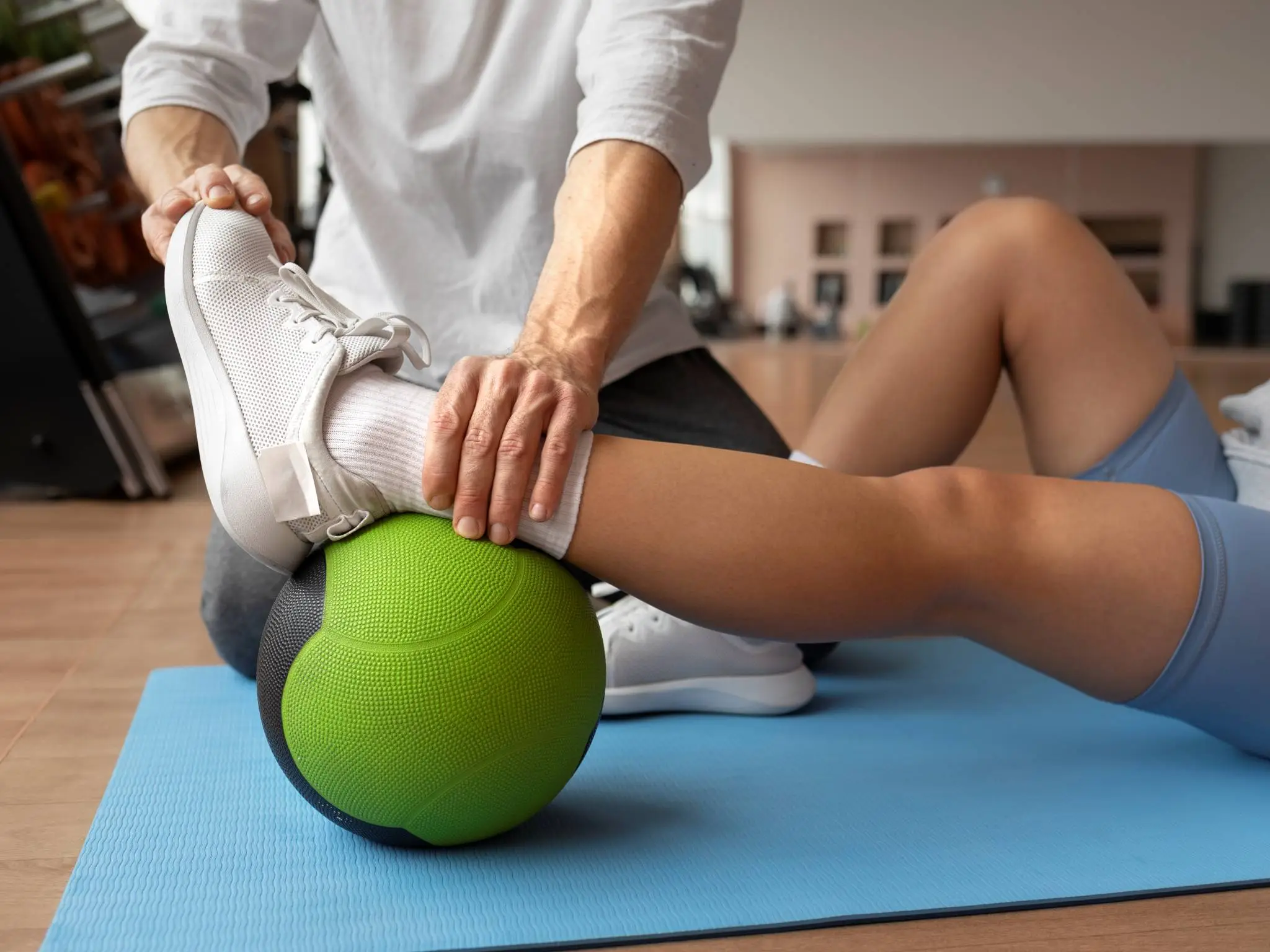
One of the most important roles of sports physiotherapy is injury prevention. Physiotherapists assess movement patterns, muscle imbalances, posture, and flexibility to identify risk factors.
Preventive physiotherapy helps:
- Improve movement efficiency
- Correct poor posture and technique
- Strengthen weak muscle groups
- Reduce the likelihood of future injuries
Why Choose Professional Sports Physiotherapy?
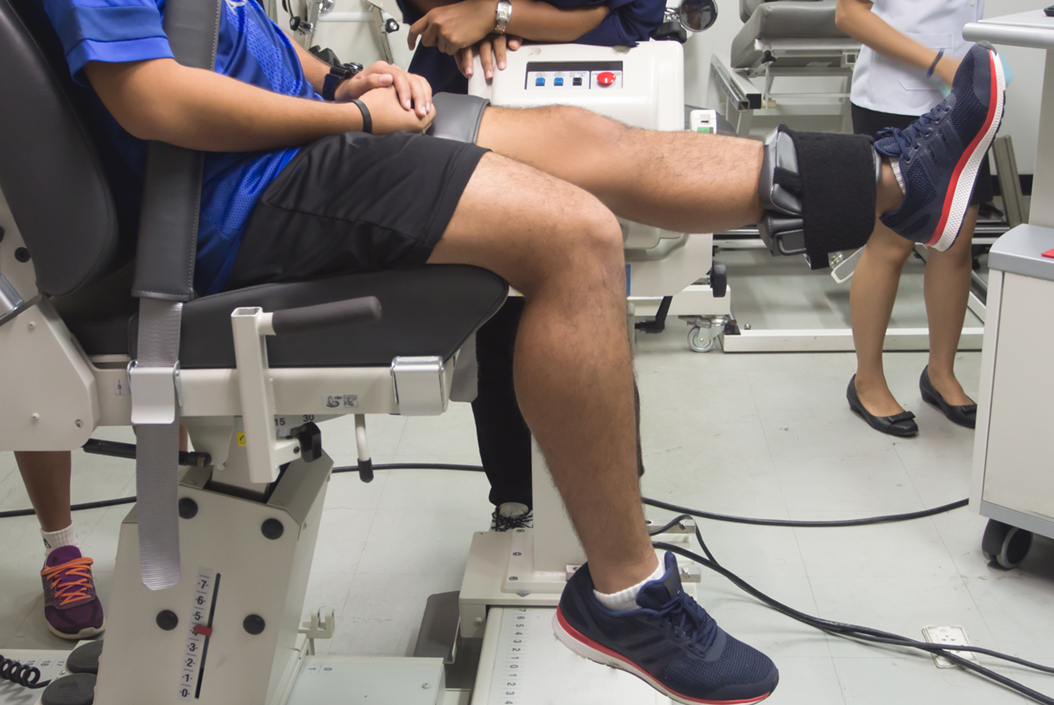
Professional sports physiotherapists are trained to understand the physical demands of sports and exercise. They design personalized treatment plans based on scientific principles and real-world performance requirements.
Proper sports physiotherapy ensures:
- Accurate injury assessment
- Safe and progressive recovery
- Long-term physical health and performance
Conclusion
Sports physiotherapy and rehabilitation is one of the most effective ways to recover from sports-related injuries and return to an active lifestyle safely. By addressing pain, restoring strength, and improving movement, sports physiotherapy helps individuals regain confidence and perform at their best.
Whether you are a professional athlete or someone who enjoys staying active, timely and professional sports physiotherapy can make a significant difference in your recovery and overall physical health.
Frequently Asked Questions – Sports Physiotherapy
Visit Chowdhury Physiotherapy Centre in Dhaka or call +88 01703 724 200 for consultation. Your path to a pain-free life begins here.
📞 Call +88 01703 724 200Modern Physiotherapy for Stroke and Paralysis recovery at Chowdhury Physiotherapy Centre.
Specialized Physiotherapy Care for Stroke and Paralysis Patients.
Introduction
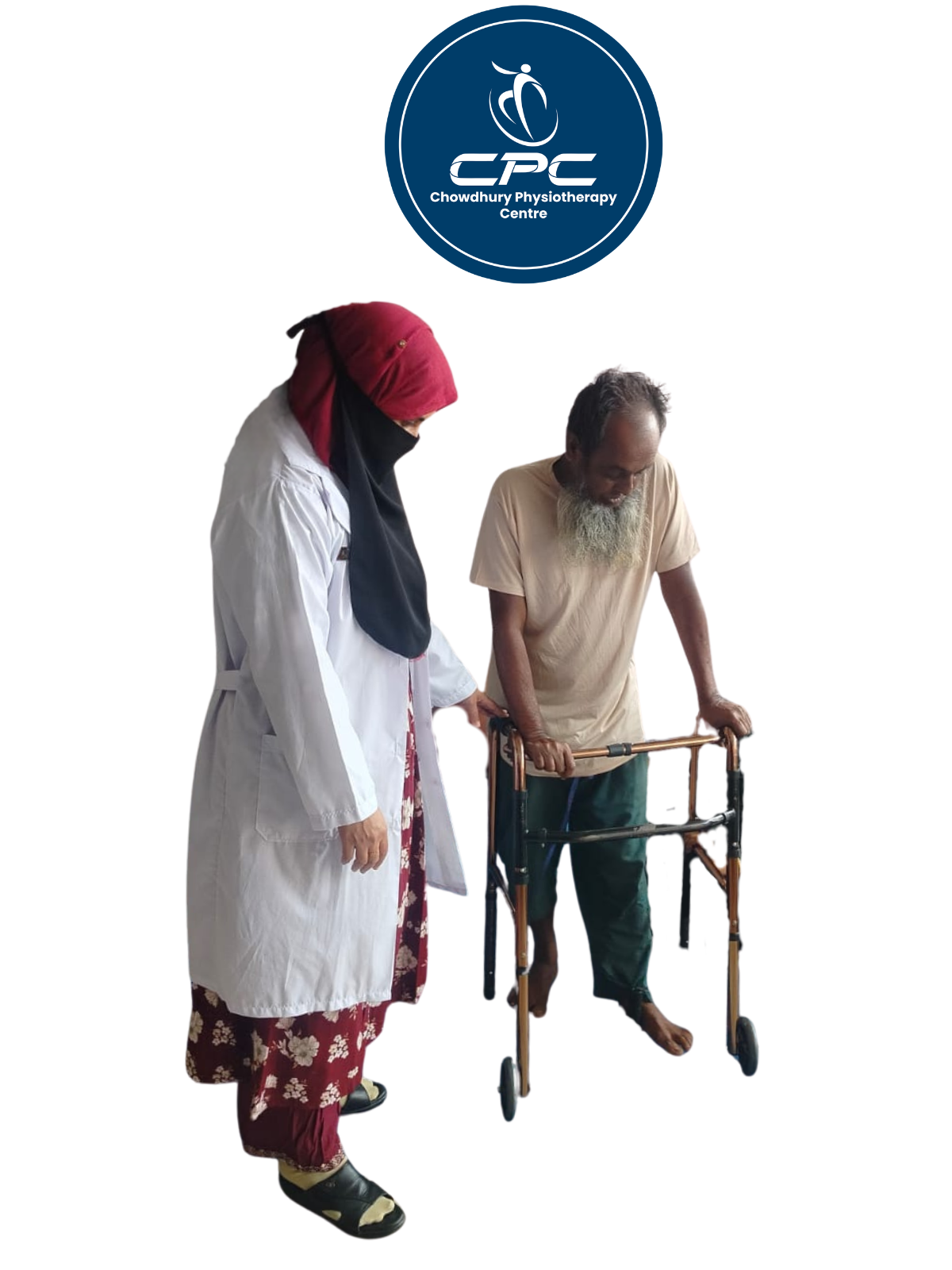
At Chowdhury Physiotherapy Centre, we are dedicated to helping patients recover from stroke and paralysis with modern physiotherapy techniques. Stroke and paralysis can significantly impact an individual’s mobility, independence, and overall quality of life. Our expert team focuses on providing personalized rehabilitation programs that restore movement, strength, and function. We combine evidence-based therapies, advanced technology, and compassionate care to ensure the best possible outcomes for every patient.
Understanding Stroke and Paralysis
- Stroke occurs when the blood flow to the brain is interrupted, leading to brain cell damage. Depending on the severity, it can result in partial or complete paralysis on one side of the body.
-
Paralysis may also arise from neurological disorders, spinal cord injuries, or brain injuries.
Common challenges include:
- Muscle weakness or stiffness
- Loss of balance and coordination
- Difficulty with walking or performing daily activities
- Speech and cognitive impairments
Early physiotherapy intervention plays a critical role in recovery by promoting neuroplasticity and enhancing functional independence.
How Chowdhury Physiotherapy Centre Helps?
At our center, we offer personalized rehabilitation programs designed to meet each patient’s specific needs. Our therapies focus on:
- Restoring movement and muscle strength
- Improving balance and coordination
- Managing spasticity and muscle stiffness
- Enhancing walking and functional independence
- Boosting confidence and quality of life
We combine the latest techniques in neurorehabilitation with compassionate care, ensuring that every patient receives the best possible support.

Advanced Physiotherapy Techniques
-
Neurodevelopmental Treatment (NDT / Bobath Concept)
Helps normalize muscle tone, facilitate natural movement, and improve posture and balance. -
Task-Oriented Functional Training
Practice real-life activities like walking, reaching, and daily tasks to enhance independence. -
Strengthening and Muscle Re-education
Gradually rebuilds weak muscles through active, assisted, and resistance exercises. -
Gait and Balance Training
Using parallel bars, treadmills and functional exercises to achieve safe, independent walking. -
Spasticity Management
Reduces stiffness and prevents deformities through stretching, positioning, and manual therapy. -
Mirror Therapy and Constraint-Induced Movement Therapy (CIMT)
Encourages brain reorganization to improve movement and function of affected limbs. -
Functional Electrical Stimulation (FES)
Activates weak muscles to improve strength, coordination, and functional mobility.
Stroke Rehabilitation at Every Stage
- Acute Stage: Early mobilization, joint care, prevention of complications.
- Sub-Acute Stage: Active exercises, functional training, sitting, standing, and walking.
- Chronic Stage: Strengthening, endurance, and community reintegration.
Chowdhury Physiotherapy Center supports patients at every stage, maximizing recovery potential.
Our Approach to Stroke and Paralysis Rehabilitation
Every patient receives a detailed assessment to identify the level of impairment, muscle strength, and mobility. Based on this, our therapists set realistic and achievable rehabilitation goals tailored to the patient’s needs.
Exercise is a cornerstone of stroke and paralysis rehabilitation. Our programs include:
- Strengthening exercises for affected muscles
- Range-of-motion exercises to prevent stiffness
- Balance and coordination training
- Task-specific exercises to improve daily activity performance
We use advanced neuro-rehabilitation techniques to help the brain rewire and improve function. These may include:
- Constraint-Induced Movement Therapy (CIMT)
- Electrical Stimulation Therapy
- Mirror Therapy
- Functional Task Training
Chowdhury Physiotherapy Centre is equipped with modern therapy tools and devices to aid recovery.
Importance of Early Intervention
- Reduce muscle stiffness and joint contractures
- Improve circulation and prevent complications
- Enhance neuroplasticity for better functional recovery
Improving Mobility and Daily Function
- Our rehabilitation programs aim to restore independence in daily activities, such as:
- Walking and stair climbing
- Dressing and grooming
- Eating and self-care activities
- Fine motor skills for hand function
We focus on repetitive, task-oriented exercises to build strength, coordination and confidence in performing these tasks independently.

Pain Management and Comfort of Stroke and Paralysis Patients
Stroke and paralysis patients often experience pain due to muscle spasticity, joint stiffness, or secondary complications. Our therapies include:
- Therapeutic massage
- Stretching and flexibility exercises
- Pain-relieving modalities like heat, cold, or electrical stimulation
By reducing discomfort, patients can participate more effectively in rehabilitation exercises.
Emotional and Cognitive Support
Recovery from stroke and paralysis is not only physical but also mental. Patients may face frustration, depression, or anxiety. At Chowdhury Physiotherapy Centre, we provide:
- Emotional counseling and motivation
- Cognitive rehabilitation exercises for memory and attention
- Support groups to encourage interaction and peer learning
Family Involvement in Rehabilitation
Involving family members in therapy improves outcomes. We educate caregivers on:
- Assisting with exercises at home
- Safe mobility techniques
- Preventing falls and injuries
- Encouraging independence and confidence
Our therapists provide ongoing guidance to create a supportive environment for the patient.
Success Stories
Many patients have regained significant mobility and independence with our therapy programs. From partial paralysis recovery to post-stroke rehabilitation, our personalized approach has helped patients:
- Walk independently after months of difficulty
- Perform daily tasks without assistance
- Regain confidence in social and professional life

Why Choose Chowdhury Physiotherapy Centre for Stroke and Paralysis Rehabilitation
- Experienced Physiotherapists: Specially trained in stroke and paralysis rehabilitation
- Personalized Rehabilitation Care: Tailored treatment plans for each patient
- Evidence-Based Techniques: Advanced therapies including NDT, FES and CIMT
- Holistic Rehabilitation: Focus on both physical recovery and emotional well-being
- Family Support: Guidance for caregivers to continue therapy safely at home
- Continuous monitoring and progress evaluation
- Compassionate and patient-centered care
Preventing Secondary Complications of Stroke and Paralysis Patients
Stroke and paralysis patients are at risk of secondary complications, including:
- Muscle contractures and joint deformities
- Pressure sores from immobility
- Respiratory and cardiovascular issues
Long-Term Rehabilitation and Maintenance
Recovery from stroke and paralysis is an ongoing process. Chowdhury Physiotherapy Centre emphasizes:
- Long-term exercise routines to maintain strength
- Periodic check-ups to monitor progress
- Lifestyle and ergonomic advice to prevent recurrence or deterioration
Conclusion
At Chowdhury Physiotherapy Centre, we understand that every stroke or paralysis recovery journey is unique. Our modern physiotherapy techniques, personalized programs, and compassionate care help patients regain independence, mobility, and confidence. By combining physical, cognitive, and emotional rehabilitation, we provide a holistic approach that ensures long-term success.
If you or your loved one is seeking effective physiotherapy for stroke or paralysis, Chowdhury Physiotherapy Centre is here to guide you at every step of recovery. Reclaim movement, reduce discomfort and live a fulfilling life with our expert care.
Frequently Asked Questions (FAQs) – Stroke & Paralysis Physiotherapy
Early intervention is crucial. Physiotherapy should ideally start within days to weeks after a stroke to prevent stiffness, improve neuroplasticity, and accelerate recovery.
Full recovery depends on stroke severity, patient age, and overall health. While complete reversal may not always be possible, Chowdhury Physiotherapy Center helps patients regain maximum mobility and functional independence.
Exercises may include:
- Strength training for weak muscles
- Range-of-motion and stretching exercises
- Balance and coordination training
- Task-specific functional exercises for daily activities
Recovery duration varies based on individual needs and stroke severity. Typically, it takes weeks to months, with continuous physiotherapy and home exercises.
Therapy is generally safe and focused on gradual improvement. Some exercises may cause mild muscle fatigue, but our therapists ensure comfort and proper technique throughout.
We combine certified physiotherapists, modern equipment, personalized programs, and compassionate care to deliver effective stroke and paralysis rehabilitation. Our goal is to help every patient regain mobility, confidence and independence.
Modern Physiotherapy for Stroke and Paralysis recovery at Chowdhury Physiotherapy Centre.
Visit Chowdhury Physiotherapy Centre in Dhaka or call +88 01703 724 200 for consultation. Your path to a pain-free life begins here.
📞 Call +88 01703 724 200🌐 Website: www.chowdhuryphysio.com
📌 Facebook: Chowdhury Physiotherapy Centre
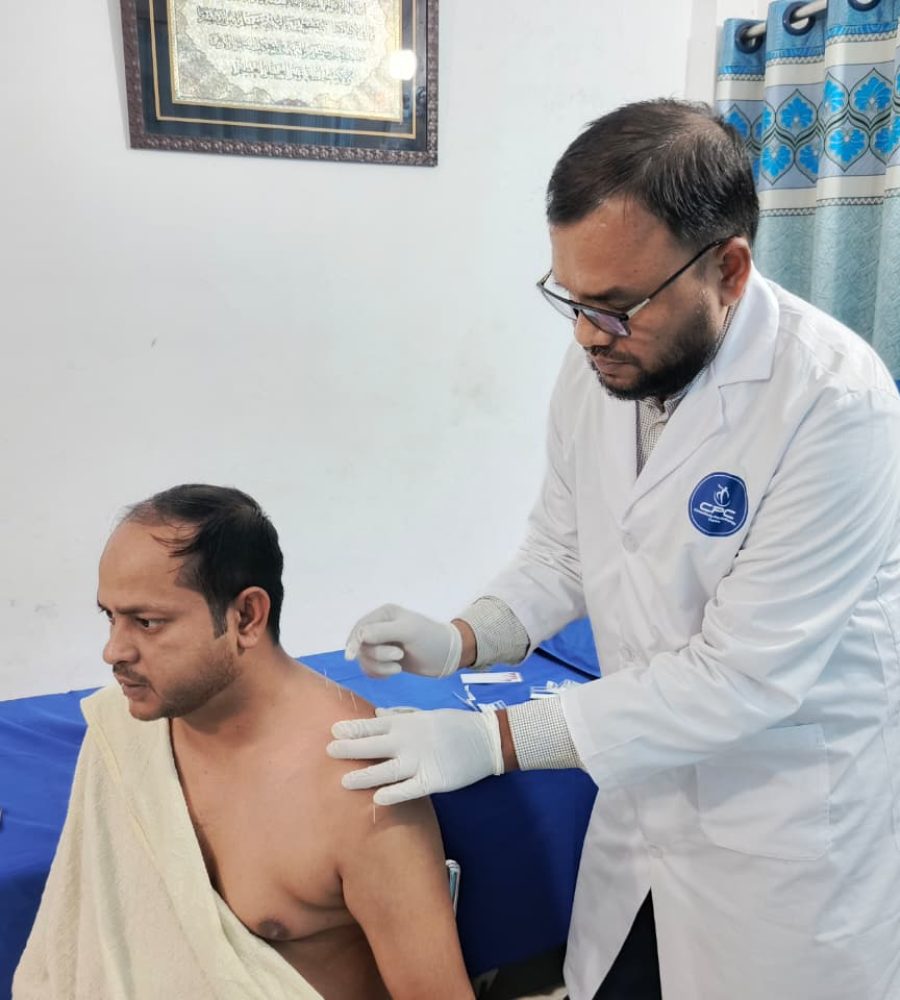
Shoulder Pain & Frozen Shoulder Treatment
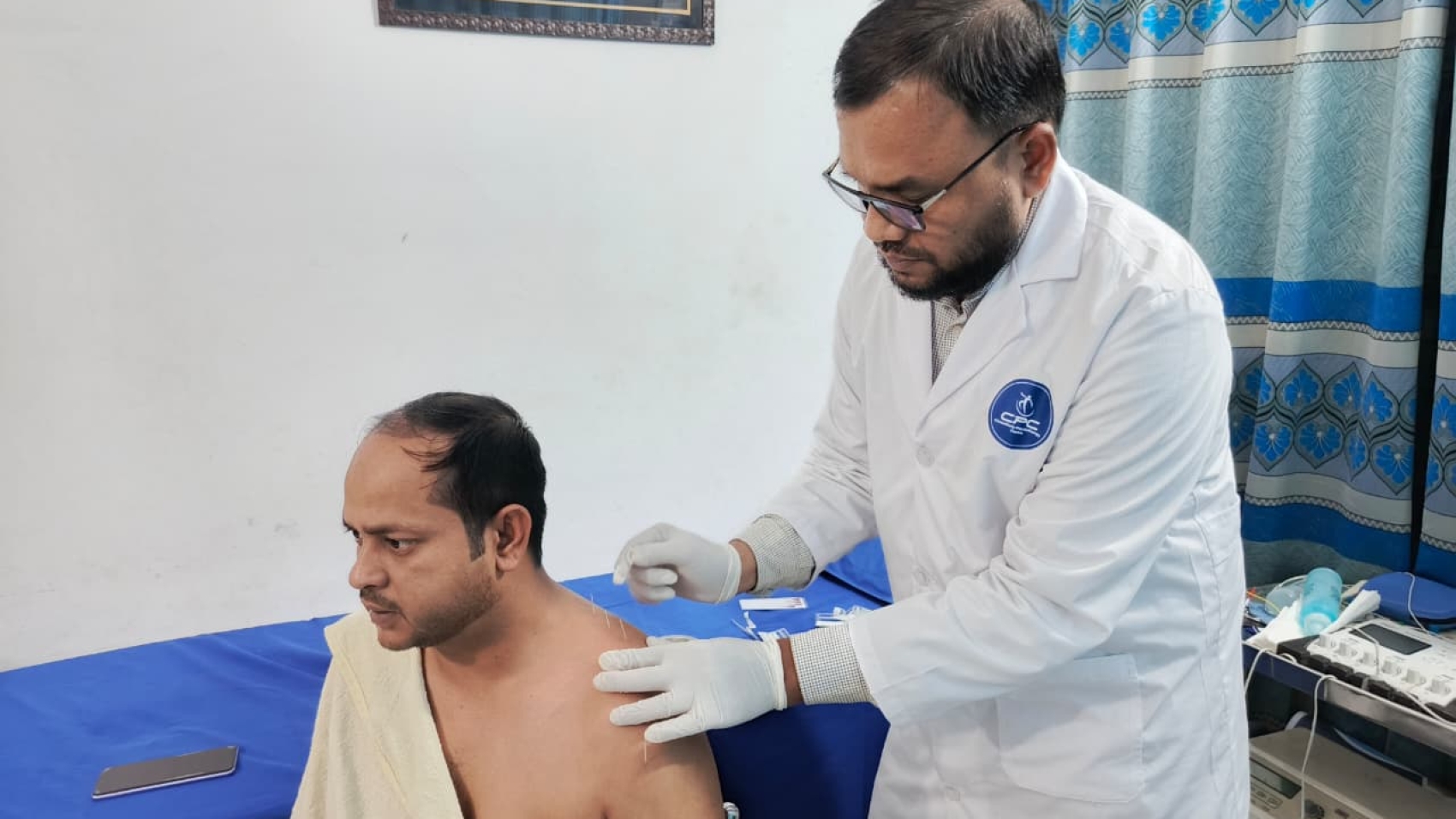
Advanced Shoulder Pain & Frozen Shoulder Treatment at Chowdhury Physiotherapy Centre.
Introduction
Shoulder pain is one of the most common musculoskeletal problems affecting people of all ages. From daily activities like combing hair and wearing clothes to professional work and sports performance, shoulder pain can significantly limit quality of life. One of the most disabling forms of shoulder pain is Frozen Shoulder (Adhesive Capsulitis), where stiffness and pain progressively restrict shoulder movement.
At Chowdhury Physiotherapy Centre, we specialize in non-surgical, evidence-based physiotherapy treatment for shoulder pain and frozen shoulder, helping patients regain pain-free movement and return to normal life.
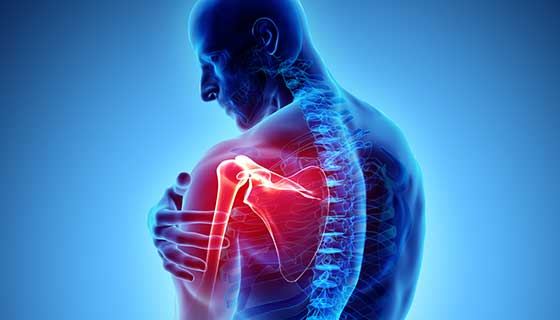
Shoulder pain is discomfort in the shoulder joint due to injury, arthritis, frozen shoulder, or muscle strain.
❖ Common Causes of Shoulder Pain:- Frozen Shoulder (Adhesive Capsulitis)
- Rotator Cuff Injury or Tear
- Shoulder Impingement Syndrome
- Tendinitis and Bursitis
- Postural Stress and Muscle Imbalance
- Sports Injuries
- Post-stroke or neurological conditions
- Diabetes-related shoulder stiffness
- Age-related joint degeneration
Frozen Shoulder, medically known as Adhesive Capsulitis, is a condition characterized by pain, stiffness and gradual loss of shoulder movement. It commonly affects people between the ages of 40 and 60 and is more prevalent in individuals with diabetes, thyroid disorders or prolonged shoulder immobility.
❖ How does frozen shoulder affect daily life?Frozen shoulder is a condition where the shoulder joint becomes stiff and painful, limiting movement. Daily activities like dressing, reaching overhead, or lifting objects become difficult, which can significantly affect quality of life. Early diagnosis and physiotherapy can prevent long-term stiffness.
- Freezing Stage – Increasing pain and gradual stiffness
- Frozen Stage – Severe restriction of movement
- Thawing Stage – Gradual improvement in motion
- Persistent pain, especially at night
- Difficulty lifting or rotating the arm
- Radiating pain to the arm or neck
- Pain reduction without medication dependency
- Restoration of shoulder mobility
- Improved muscle strength and joint stability
- Faster recovery compared to rest alone
- Avoidance of surgery
✓ We use a combination of modern physiotherapy techniques tailored to each stage of shoulder pain or frozen shoulder.
Postural Correction & Ergonomic Advice
- Workplace posture correction
- Daily activity modification
- Sports-specific rehabilitation
❖ How Long Does Recovery Take? ➢ Recovery time depends on:
- Severity of the condition
- Stage of frozen shoulder
- Patient compliance with exercises
- Presence of diabetes or other medical conditions
- With regular physiotherapy:
- Pain relief often begins within a few sessions Significant mobility improvement is seen within weeks
Full functional recovery is achievable in most cases
- Postural analysis
- Range of motion testing
- Muscle strength evaluation
- Functional movement assessment
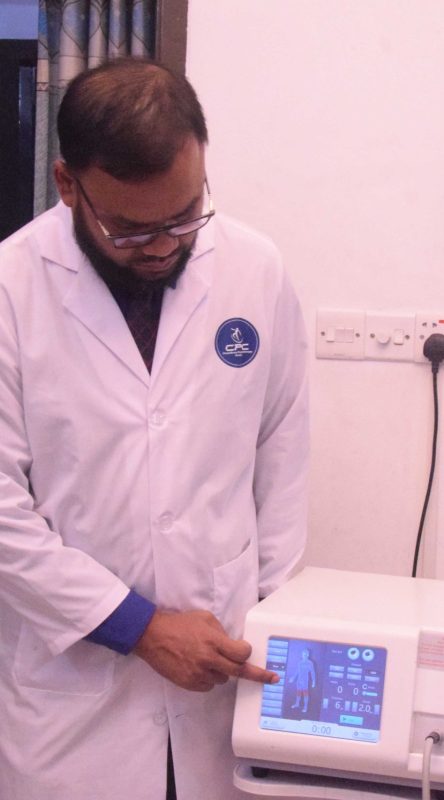
- Shock Wave Therapy
- Ultrasound therapy
- TENS and IFT
- Heat and cold therapy
- Joint mobilization
- Soft tissue mobilization
- Myofascial release
- Capsular stretching techniques
- Effective for muscle spasm and trigger points
- Reduces pain and improves movement
- Shoulder mobility exercises
- Stretching for frozen capsule
- Strengthening of rotator cuff muscles
- Scapular stabilization exercises
Why Choose Chowdhury Physiotherapy Centre for Shoulder Pain/Frozen Shoulder rehab?
- Experienced and qualified physiotherapists
- Evidence-based treatment approach
- Personalized rehabilitation programs
- Advanced physiotherapy equipment
- Non-surgical pain management
- Trusted physiotherapy center in Dhaka
✓ We are committed to providing ethical, patient-centered care for shoulder pain and frozen shoulder.
❖ Who Can Benefit from Our Shoulder Physiotherapy?
- Office workers with posture-related shoulder pain
- Diabetic patients with frozen shoulder
- Athletes with shoulder injuries
- Elderly patients with stiffness and weakness
Post-surgical shoulder rehabilitation patients’
➢ You should consult a physiotherapist if:
- Shoulder pain lasts more than a few days
- Pain worsens at night
- Movement becomes restricted
- Daily activities are affected
- Pain does not improve with rest or medication
- Early treatment leads to faster recovery and better outcomes.
- Perform regular shoulder mobility exercises to maintain flexibility.
- Avoid prolonged immobilization of the shoulder after injuries or surgery.
- Maintain good posture during daily activities and work.
- Treat minor shoulder injuries promptly to prevent stiffness.

Frozen shoulder can significantly impact daily life, limiting movement and causing discomfort. Early diagnosis and proper physiotherapy treatment are essential for faster recovery and pain relief.
At Chowdhury Physiotherapy Centre, we offer personalized care plans, effective exercises, and expert guidance to help restore shoulder mobility and improve quality of life. Don’t let shoulder stiffness hold you back - seek professional physiotherapy support today.
✅ Shoulder Pain & Frozen Shoulder Treatment!
Visit Chowdhury Physiotherapy Centre in Dhaka or call +88 01703 724 200 for consultation. Your path to a pain-free life begins here.
📞 Call +88 01703 724 200🌐 Website: www.chowdhuryphysio.com
📌 Facebook: Chowdhury Physiotherapy Centre
ACL Ligament Injury Rehabilitation
ACL Ligament Injury Rehabilitation: Expert Physiotherapy in Dhaka at Chowdhury Physiotherapy Centre.
Introduction
Anterior Cruciate Ligament (ACL) injuries are one of the most common knee injuries, especially among athletes, sports enthusiasts and physically active individuals. These injuries can range from mild sprains to complete ligament tears, often causing significant pain, swelling, knee instability, and limitations in daily activities. Without proper care, ACL injuries may lead to long-term knee problems such as chronic instability or early onset arthritis.
At Chowdhury Physiotherapy Centre Dhaka, we provide specialized ACL injury rehabilitation programs that help patients recover fully, regain strength, and return safely to their daily or sports activities. Our approach combines expert physiotherapy techniques, personalized exercise programs, and patient-centered care
What is an ACL ligament injury?
The ACL (Anterior Cruciate Ligament) injury occurs when the ligament that stabilizes the knee joint is stretched or torn, usually due to sudden twisting, pivoting, or impact during sports or accidents.
ACL injuries commonly occur due to:
- Sudden directional changes during sports such as football, cricket, basketball, or badminton
- High-impact trauma, like falls or accidents
- Hyperextension of the knee or overstretching the ligament
Symptoms of ACL injury include:
- Sudden knee pain after injury
- Swelling and inflammation within hours
- A popping sound at the time of injury
- Difficulty walking or bearing weight
- Feeling of instability or “giving way” of the knee,
✓ Early diagnosis and intervention are essential for preventing complications and ensuring successful rehabilitation.
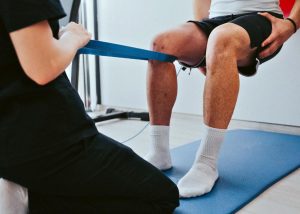
What happens if ACL injury is left untreated or poorly managed?
➢ An untreated or poorly managed ACL injury can lead to:
- Recurrent or chronic knee instability
- Reduced muscle strength
- Difficulty in running, jumping, or sports activities
- Higher chance of repeated knee injuries.
- Early development of knee osteoarthritis.
- Persistent pain and swelling.
- Reduced mobility and difficulty in sports or physical activities.
- Delayed recovery and longer rehabilitation if treatment is started late.
✓ That’s why early physiotherapy intervention is crucial for both partial ACL tears and postsurgical ACL reconstruction patients.
At Chowdhury Physiotherapy Centre, our ACL rehabilitation program is personalized and evidence-based, focusing on long-term knee stability.
❖ Physiotherapy is the cornerstone of ACL rehabilitation
✓ Physiotherapy is the cornerstone of ACL rehabilitation, whether surgery is performed or not. At Chowdhury Physiotherapy Centre, our physiotherapists design individualized rehabilitation programs focusing on:
➢ Patients recovering from ACL injuries at Chowdhury Physiotherapy Centre often report:
- Full recovery without surgery for mild to moderate injuries
- Significant improvement in strength, balance and knee stability
- Safe and guided return to sports
- Enhanced overall mobility and quality of life.
Why Choose Chowdhury Physiotherapy Centre?
- Expert Physiotherapists: Highly trained specialists in ACL rehabilitation
- Customized Programs: Personalized exercises based on injury severity and patient goals
- Advanced Rehabilitation Techniques: Evidence-based manual therapy, strength training, and functional rehabilitation.
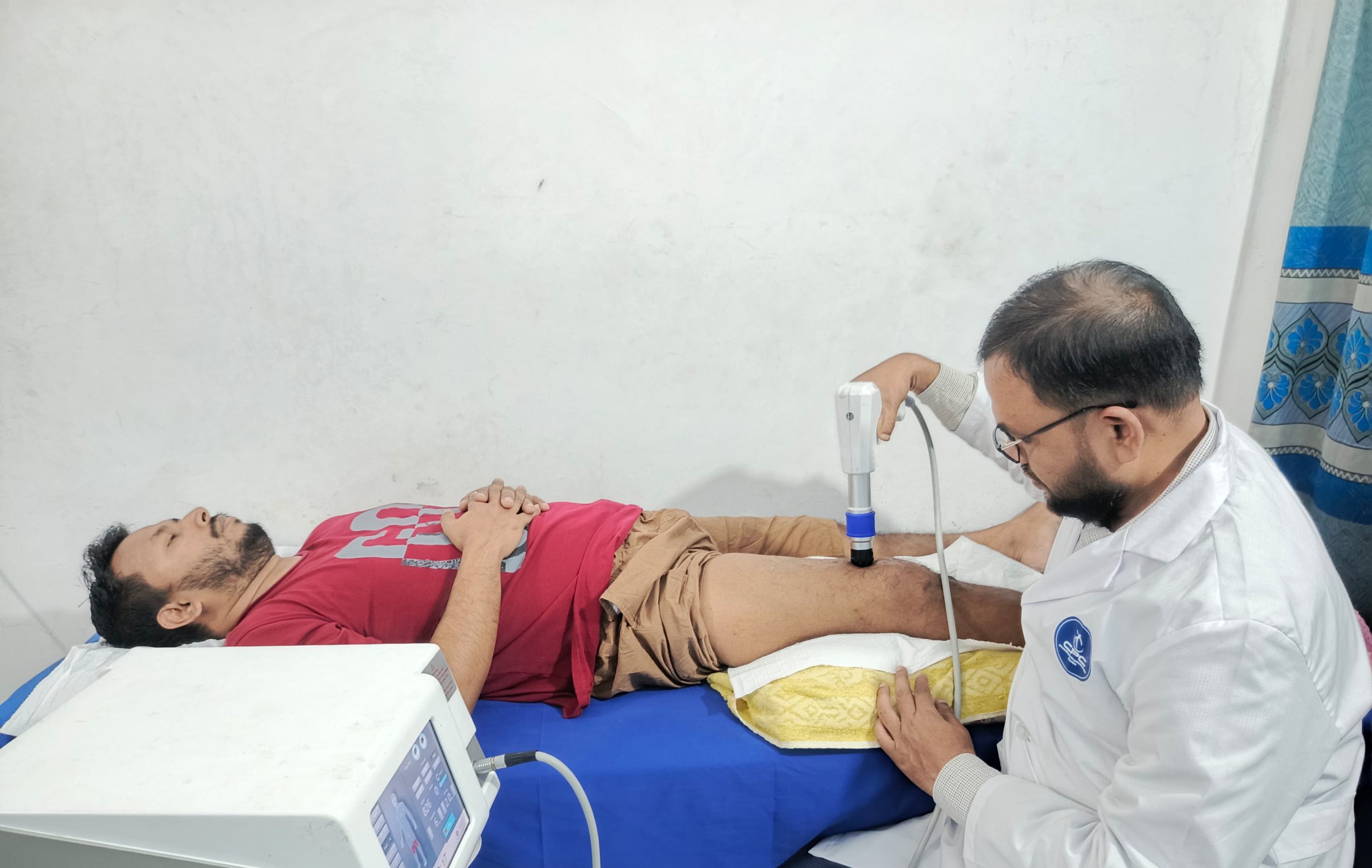
- Modern Equipment: IFT, Shock Wave Therapy, Clinical Dry Needling ettc.
- Personalized One-to-One Care
- Non-Surgical Knee Injury Expertise
- Trusted ACL Rehab Center in Dhaka
- Post-Surgery Support: Complete care for patients undergoing ACL reconstruction
- Convenient Location: Easy access in Dhaka with a patient-friendly environment
With our expertise and advanced physiotherapy programs, patients regain confidence, return to their daily life or sports activities and achieve long-term knee health.
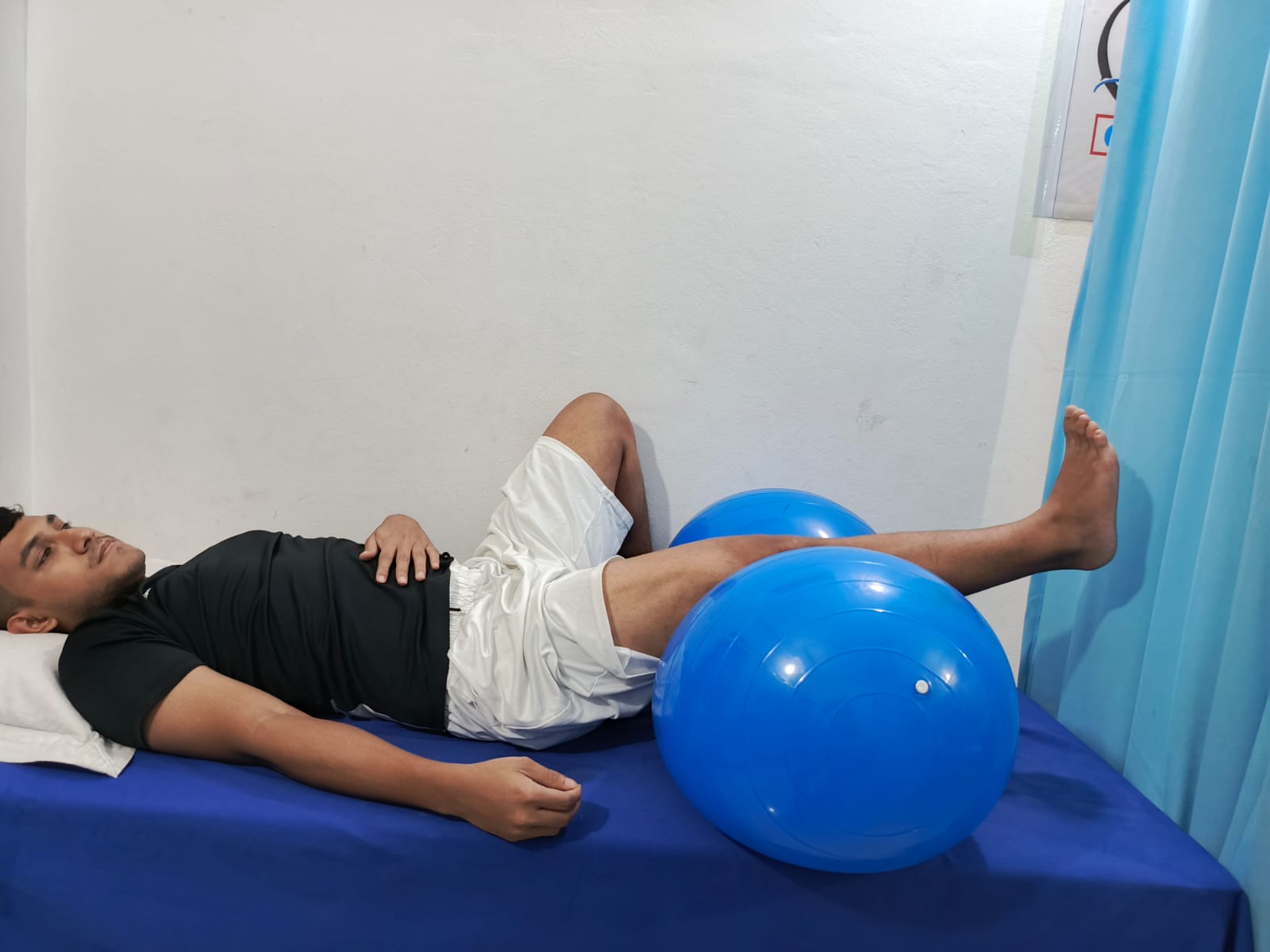
ACL Rehabilitation Program
Chowdhury Physiotherapy Centre – Expert Knee Injury Recovery in Dhaka
Acute Phase (0–2 Weeks)
Goal: Reduce pain, swelling, and protect the injured knee.
- Ice therapy and gentle compression
- Knee elevation and adequate rest
- Gentle range-of-motion exercises
- Avoiding activities that strain the ACL
Recovery Phase (2–6 Weeks)
Goal: Restore knee mobility, flexibility, and early muscle strength.
- Controlled knee bending and straightening
- Quadriceps and hamstring strengthening
- Low-impact exercises such as stationary cycling
Strengthening & Proprioception Phase (6–12 Weeks)
Goal: Improve knee stability, balance, and functional strength.
- Progressive resistance training
- Balance and coordination exercises
- Functional movements like step-ups and partial squats
Return-to-Activity Phase (12+ Weeks)
Goal: Safely return to sports and high-demand activities.
- Agility and plyometric training
- Sport-specific movement drills
- Ongoing assessment of knee stability
Surgical vs Non-Surgical ACL Rehabilitation
Some ACL injuries may require surgical reconstruction, especially for athletes or complete ligament tears. Others can recover successfully through structured non-surgical physiotherapy programs.
Post-Surgical ACL Rehabilitation
- Early physiotherapy under professional supervision
- Gradual weight-bearing and knee mobilization
- Progressive strengthening and functional training
Chowdhury Physiotherapy Centre provides personalized post-surgical and non-surgical ACL rehabilitation programs for optimal recovery.
Preventing Future ACL Injuries
- Regular strengthening of quadriceps, hamstrings, and hip muscles
- Proper warm-up and stretching before activity
- Correct movement techniques and posture training
- Following home exercise programs prescribed by physiotherapists
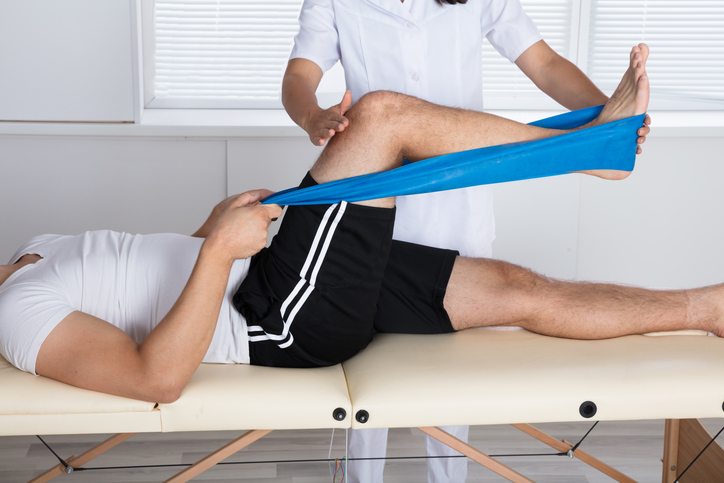
ACL Ligament Injury Rehabilitation
Visit Chowdhury Physiotherapy Centre in Dhaka or call +88 01703 724 200 for consultation. Your path to a pain-free life begins here.
📞 Call +88 01703 724 200🌐 Website: www.chowdhuryphysio.com
📌 Facebook: Chowdhury Physiotherapy Centre
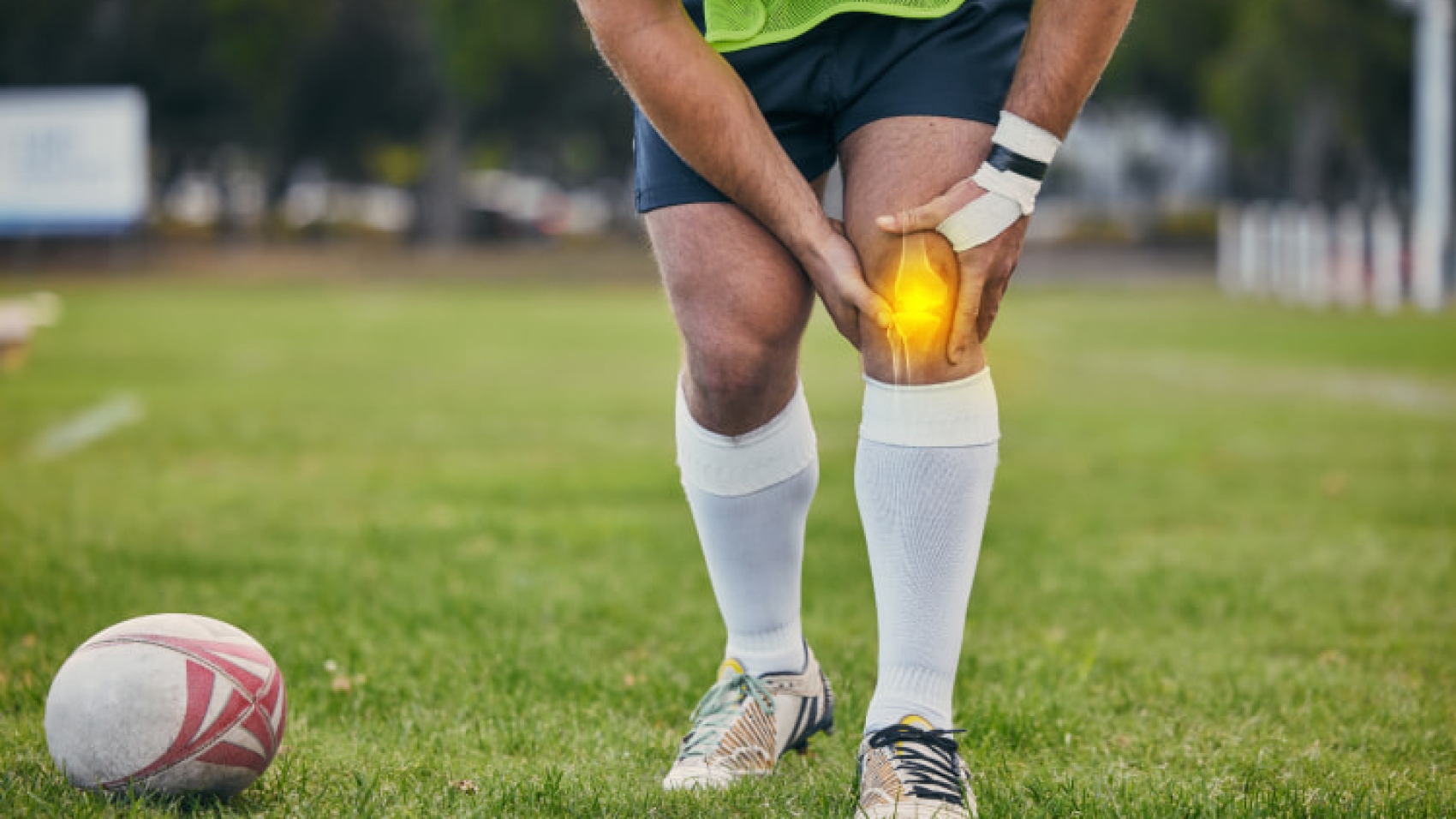
Common Sports Injuries
Complete Guide to Common Sports Injuries and Evidence-Based Modern Treatments at Chowdhury Physiotherapy Centre
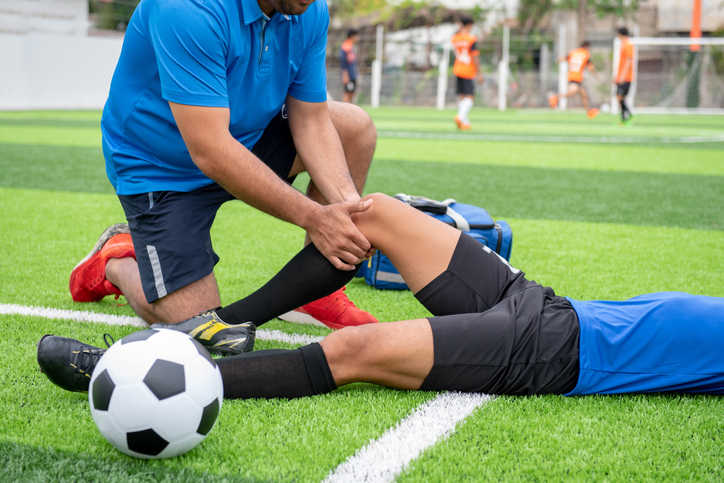
Introduction
Sports and physical activities are essential for maintaining a healthy and active lifestyle. However, sports participation also increases the risk of injuries that can affect muscles, ligaments, tendons, joints, and soft tissues. If not treated properly, these injuries can lead to chronic pain, reduced performance and long-term disability.
At Chowdhury Physiotherapy Centre, we specialize in modern, non-surgical physiotherapy treatment for common sports injuries, helping athletes and active individuals recover faster, safely, and effectively.
Sports injuries occur due to sudden trauma, repetitive stress, overuse, improper technique or inadequate conditioning. They may affect both professional athletes and recreational sports participants.
- Muscle overuse or fatigue
- Poor warm-up or stretching
- Muscle imbalance
- Incorrect posture or movement patterns
- Direct impact or falls
✓ Muscle strain is one of the most common sports injuries, affecting areas such as the hamstring, calf, quadriceps, shoulder, and lower back.
- Sharp or dull muscle pain
- Stiffness and swelling
- Reduced strength and flexibility
At Chowdhury Physiotherapy Centre, muscle strain is treated using:
- Soft tissue mobilization
- Clinical dry needling
- Shock Wave Therapy
- Therapeutic exercises
- Advanced electrotherapy
Ligament Sprain
Ligament sprains commonly occur in the ankle, knee, wrist and shoulder joints.
Common ligament injuries include:
ACL, PCL and MCL injuries
Ankle sprain
Wrist sprain
Our Modern Treatment Approach:
Joint stabilization exercises
Balance and proprioception training
Kinesio taping and bracing
Sports-specific evidenced based rehabilitation programs
Our goal is to restore joint stability and confidence in movement
✓ Tendon injuries are caused by repetitive stress and overuse.
- Supraspinatus tendinitis
- Lateral epicondylitis (Tennis elbow)
- Golfer’s elbow
- Achilles tendinitis
- Patellar tendinitis
- Clinical dry needling for trigger point release
- Shockwave therapy
- Eccentric strengthening exercises
- Postural correction
✓ These evidence-based techniques help reduce pain and improve tendon strength.
✓ Shoulder injuries are common in overhead sports such as cricket, badminton, volleyball, and swimming.
- Rotator cuff injury
- Shoulder impingement syndrome
- Shoulder instability
- Clinical Dry Needling
- Shock Wave Therapy
- Scapular stabilization exercises
- Shoulder mobility and strengthening programs
- Manual therapy
- Functional sports rehabilitation
✓ Our customized programs ensure safe return to sports.
✓ The knee joint is highly vulnerable during sports activities.
- Meniscus injury
- Patellofemoral pain syndrome
- Ligament injury (ACL, PCL, MCL)
- Biomechanical assessment
- Quadriceps and hamstring strengthening
- Functional training
- Gait and movement correction
- Evidenced based post Traumatic Knee Rehab
Ankle and Foot Injuries
- Ankle and foot injuries are frequent in football, running, basketball, and jumping sports.
- Common conditions include:
- Ankle sprain
- Plantar fasciitis
- Achilles tendon injury
- Advanced Physiotherapy Treatment:
- Joint mobilization
- Balance and coordination exercises
- Foot biomechanics correction
- Sport-specific return-to-activity programs
- Importance of Early Physiotherapy Treatment
- Delaying treatment or continuing sports despite pain can worsen injuries. Early intervention helps:
- Reduce pain and inflammation
- Prevent chronic sports injuries
- Restore strength and mobility
- Shorten recovery time
Avoid unnecessary surgery.
✓ Every patient receives a detailed evaluation including:
- Injury mechanism analysis
- Muscle strength and flexibility testing
- Joint mobility assessment
- Posture and movement analysis
✓ This ensures personalized and accurate treatment planning.
✓ Hands-on physiotherapy techniques help relieve pain and improve joint and muscle function.
✓ Includes:
- Soft tissue release
- Joint mobilization
- Myofascial release
✓ Benefits of dry needling:
- Rapid pain relief
- Improved muscle activation
- Faster recovery
✓ We use modern physiotherapy equipment such as:
- Ultrasound therapy
- TENS and IFT
- Shock wave therapy
✓ These modalities accelerate healing and control inflammation.
✓ Exercise-based rehabilitation is the foundation of sports injury recovery.
✓ Our programs focus on:
- Strength and endurance
- Core stability
- Flexibility training
- Functional movement restoration
Sports-Specific Rehabilitation
At Chowdhury Physiotherapy Centre, We design sport-specific rehabilitation programs tailored to individual athletic demands, ensuring safe and confident return to play.
One of the core strengths of Chowdhury Physiotherapy Centre is our non-surgical approach. Most sports injuries can be treated successfully without surgery when managed early and properly.
- Lower risk and faster recovery
- Cost-effective
- No surgical complications
- Long-term functional improvement
- Sports Injury Prevention Programs
✓ We focus on preventing injuries through:
- Injury prevention education
- Strength and conditioning programs
- Warm-up and cool-down guidance
- Posture and biomechanics correction
✓ Our services are ideal for:
- Professional athletes
- Amateur and recreational players
- Gym and fitness enthusiasts
- Students and young athletes
- Anyone experiencing sports-related pain
✓ Physiotherapy helps by:
- Reducing pain and inflammation
- Restoring joint mobility and muscle strength
- Improving balance and coordination
- Preventing re-injury
- Ensuring safe return to sports
✓ Chowdhury Physiotherapy Centre is trusted for:
- Experienced physiotherapy specialists
- Advanced non-surgical treatment methods
- Personalized rehabilitation programs
- Modern equipment and techniques
- Proven results in sports injury recovery
Sports injuries are common, but with modern physiotherapy treatment, full recovery is possible. At Chowdhury Physiotherapy Centre, we combine advanced techniques, clinical expertise and personalized care to help you recover faster, avoid surgery and return to sports safely.
Common Sports Injuries
Visit Chowdhury Physiotherapy Centre in Dhaka or call +88 01703 724 200 for consultation. Your path to a pain-free life begins here.
📞 Call +88 01703 724 200🌐 Website: www.chowdhuryphysio.com
📌 Facebook: Chowdhury Physiotherapy Centre
Advanced Non-Surgical Sports Injury Care
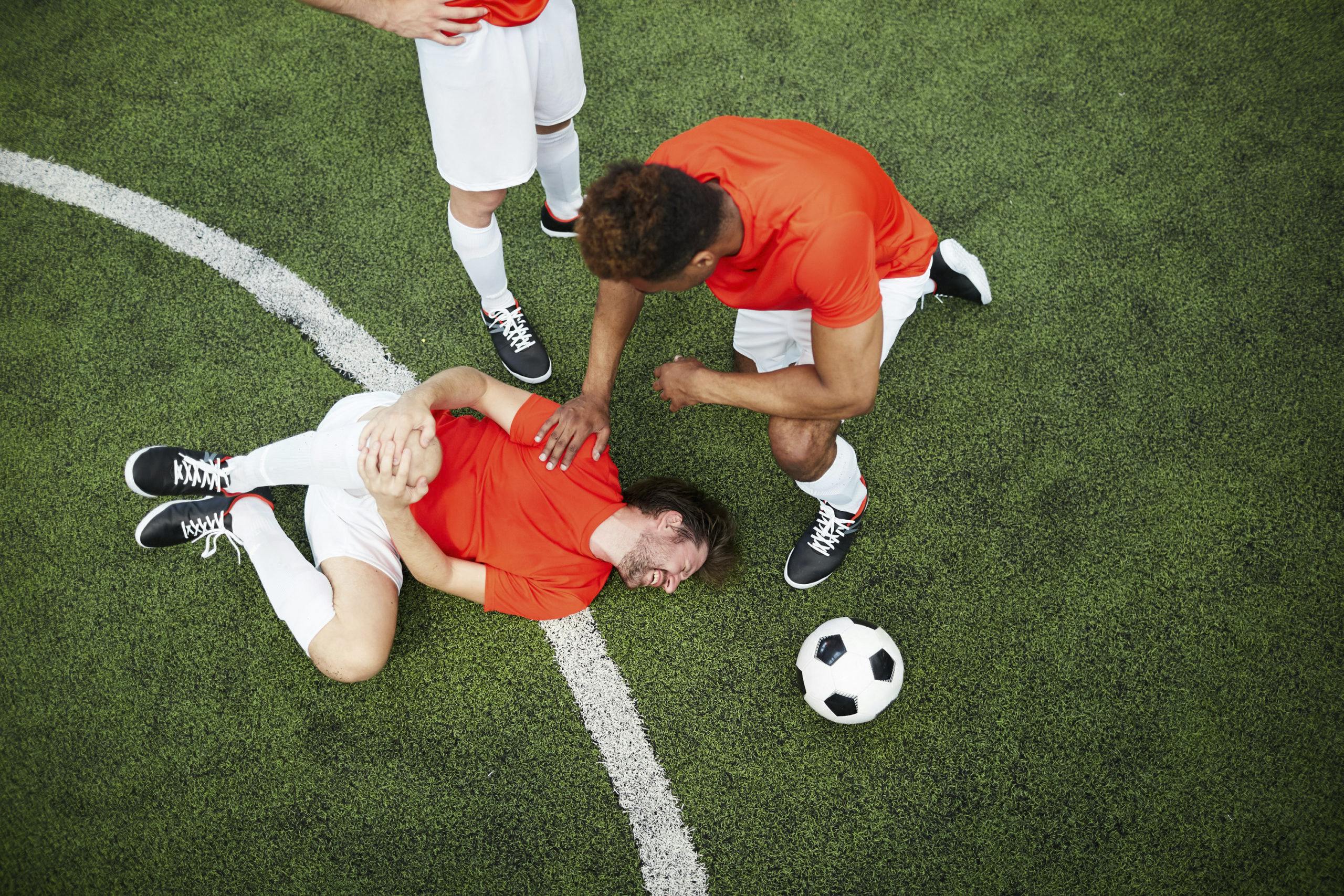
- Introduction:
Sports and physical activities are essential for maintaining a healthy and active lifestyle. However, sports participation also increases the risk of injuries that can affect muscles, ligaments, tendons, joints, and soft tissues. If not treated properly, these injuries can lead to chronic pain, reduced performance and long-term disability.
At Chowdhury Physiotherapy Centre, we specialize in modern, non-surgical physiotherapy treatment for common sports injuries, helping athletes and active individuals recover faster, safely, and effectively.
Understanding Sports Injuries
Sports injuries occur due to sudden trauma, repetitive stress, overuse, improper technique or inadequate conditioning. They may affect both professional athletes and recreational sports participants.
- Common causes of sports injuries include:
- Muscle overuse or fatigue
- Poor warm-up or stretching
- Muscle imbalance
- Incorrect posture or movement patterns
- Direct impact or falls
Early physiotherapy intervention is crucial to prevent complications and ensure complete recovery.
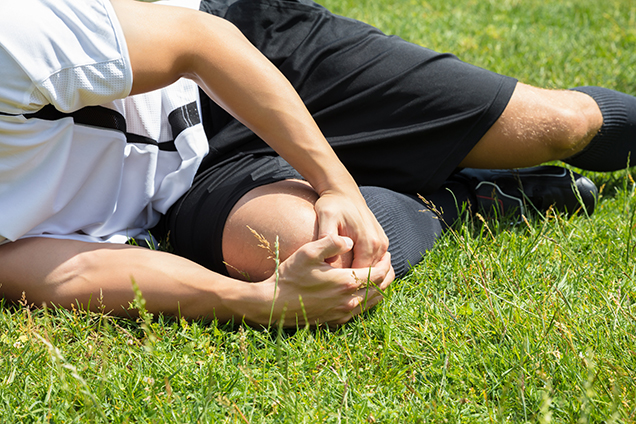
Common Sports Injuries Treated at Chowdhury Physiotherapy Centre
Muscle strain is one of the most common sports injuries, affecting areas such as the hamstring, calf, quadriceps, shoulder, and lower back.
- Symptoms include:
- Sharp or dull muscle pain
- Stiffness and swelling
- Reduced strength and flexibility
Modern Physiotherapy Treatment: At Chowdhury Physiotherapy Centre, muscle strain is treated using:
- Soft tissue mobilization
- Clinical dry needling
- Shock Wave Therapy
- Therapeutic exercises
- Advanced electrotherapy
This approach promotes faster healing and prevents re-injury.

- Ligament Sprain
Ligament sprains commonly occur in the ankle, knee, wrist and shoulder joints.
- Common ligament injuries include:
- ACL, PCL and MCL injuries
- Ankle sprain
- Wrist sprain
- Our Modern Treatment Approach:
- Joint stabilization exercises
- Balance and proprioception training
- Kinesio taping and bracing
- Sports-specific evidenced based rehabilitation programs
Our goal is to restore joint stability and confidence in movement
Tendinitis and Tendon Injuries
- Tendon injuries are caused by repetitive stress and overuse.
- Common conditions:
- Supraspinatus tendinitis
- Lateral epicondylitis (Tennis elbow)
- Golfer’s elbow
- Achilles tendinitis
- Patellar tendinitis
- Modern Physiotherapy Treatment: At Chowdhury Physiotherapy Centre,
- Tendinitis and Tendon Injuries is treated using:
- Clinical dry needling for trigger point release
- Shockwave therapy
- Eccentric strengthening exercises
- Postural correction
These evidence-based techniques help reduce pain and improve tendon strength.
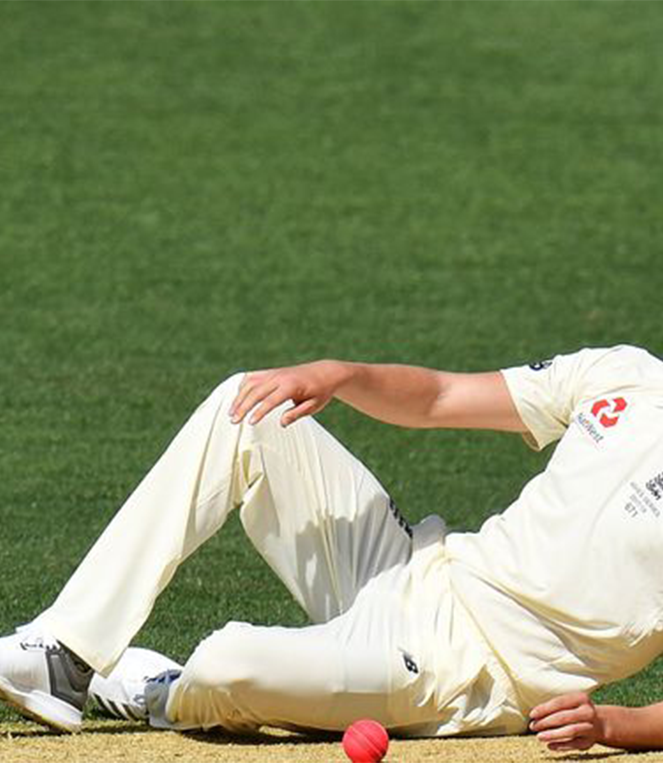
Sports Injury Treatment
Shoulder Sports Injuries
Shoulder injuries are common in overhead sports such as cricket, badminton, volleyball, and swimming.
Common Shoulder Problems:
- Rotator cuff injury
- Shoulder impingement syndrome
- Shoulder instability
Physiotherapy Management Includes:
- Clinical Dry Needling
- Shock Wave Therapy
- Scapular stabilization exercises
- Shoulder mobility and strengthening programs
- Manual therapy
- Functional sports rehabilitation
- Our customized programs ensure safe return to sports
Knee Injuries in Sports
The knee joint is highly vulnerable during sports activities.
Common Knee Injuries:
- Meniscus injury
- Patellofemoral pain syndrome
- Ligament injury (ACL, PCL, MCL)
Modern Knee Rehabilitation Includes:
- Biomechanical assessment
- Quadriceps and hamstring strengthening
- Functional training
- Gait and movement correction
- Evidenced based post Traumatic Knee Rehab
- We focus on long-term knee health and performance
Ankle & Foot Sports Injuries
Common Injuries
Ankle and foot injuries are frequent in football, running, basketball, and jumping sports.
Common Conditions:
- Ankle sprain
- Plantar fasciitis
- Achilles tendon injury
Advanced Physiotherapy Treatment:
- Joint mobilization
- Balance and coordination exercises
- Foot biomechanics correction
- Sport-specific return-to-activity programs
- Importance of Early Physiotherapy Treatment
Why Early Intervention Matters:
- Reduce pain and inflammation
- Prevent chronic sports injuries
- Restore strength and mobility
- Shorten recovery time
- Avoid unnecessary surgery
Modern Physiotherapy Techniques
Comprehensive Clinical Assessment
Every patient receives a detailed evaluation including:
- Injury mechanism analysis
- Muscle strength and flexibility testing
- Joint mobility assessment
- Posture and movement analysis
This ensures personalized and accurate treatment planning.
Manual Therapy
Hands-on physiotherapy techniques help relieve pain and improve joint and muscle function.
- Soft tissue release
- Joint mobilization
- Myofascial release
- Clinical Dry Needling
Benefits of Dry Needling:
- Rapid pain relief
- Improved muscle activation
- Faster recovery
Electrotherapy & Advanced Modalities
We use modern physiotherapy equipment such as:
- Ultrasound therapy
- TENS and IFT
- Shock wave therapy
These modalities accelerate healing and control inflammation.
Exercise Therapy & Rehabilitation
Exercise-based rehabilitation is the foundation of sports injury recovery. Our programs focus on:
- Strength and endurance
- Core stability
- Flexibility training
- Functional movement restoration
Sports-Specific Rehabilitation
We design sport-specific rehabilitation programs tailored to individual athletic demands, ensuring safe and confident return to play.
Non-Surgical Sports Injury Treatment
Our Non-Surgical Approach
One of the core strengths of Chowdhury Physiotherapy Centre is our non-surgical approach. Most sports injuries can be treated successfully without surgery when managed early and properly.
Advantages of Non-Surgical Treatment:
- Lower risk and faster recovery
- Cost-effective
- No surgical complications
- Long-term functional improvement
- Sports Injury Prevention Programs
Preventing Future Injuries:
- Injury prevention education
- Strength and conditioning programs
- Warm-up and cool-down guidance
- Posture and biomechanics correction
Who Can Benefit?
Our sports physiotherapy services are ideal for:
- Professional athletes
- Amateur and recreational players
- Gym and fitness enthusiasts
- Students and young athletes
- Anyone experiencing sports-related pain
How Physiotherapy Helps in Sports Injury Recovery
- Reducing pain and inflammation
- Restoring joint mobility and muscle strength
- Improving balance and coordination
- Preventing re-injury
- Ensuring safe return to sports
- Modern physiotherapy focuses on both recovery and injury prevention
Why choose Chowdhury Physiotherapy Centre for sports injury treatment?
Chowdhury Physiotherapy Centre is trusted for:
- Experienced physiotherapy specialists
- Advanced non-surgical treatment methods
- Personalized rehabilitation programs
- Modern equipment and techniques
Proven results in sports injury recovery.
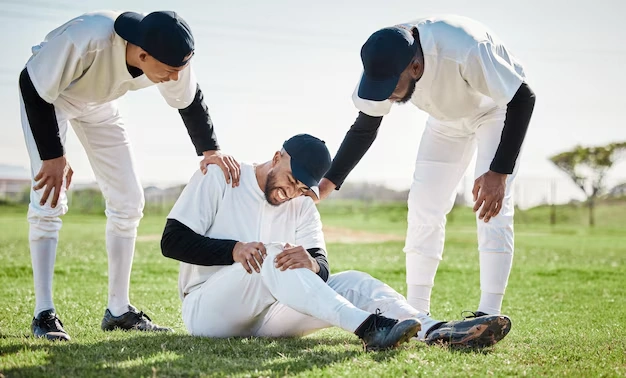
Frequently Asked Questions (FAQ)
A1: Most injuries like ankle sprain, knee ligament, and muscle strain can be treated with physiotherapy.
A2: Early physiotherapy within 24–72 hours speeds up recovery and prevents complications.
A3: Minor injuries: 1–2 weeks, ligament/muscle injuries: 4–12 weeks with proper rehabilitation.
A4: Yes, physiotherapy is completely safe when performed by qualified professionals. At Chowdhury Physiotherapy Centre, all treatments are personalized based on the patient’s condition, fitness level, and sports requirements.
A5: Not always. Modern physiotherapy promotes controlled and guided movement rather than complete rest. This helps maintain strength, flexibility, and faster functional recovery while avoiding further injury.
Conclusion
Sports injuries are common, but with modern physiotherapy treatment, full recovery is possible. At Chowdhury Physiotherapy Centre, we combine advanced techniques, clinical expertise, and personalized care to help you recover faster, avoid surgery, and return to sports safely.
If you are suffering from sports-related pain or injury, consult our expert physiotherapists today and take the first step toward a pain-free and active life.
Visit Chowdhury Physiotherapy Centre in Dhaka or call +88 01703 724 200 for consultation. Your path to a pain-free life begins here.
📞 Call +88 01703 724 200🌐 Website: www.chowdhuryphysio.com
📌 Facebook: Chowdhury Physiotherapy Centre
Knee Pain Relief Through Evidence-Based Physiotherapy
Knee Pain Treatment with Physiotherapy in Dhaka: Expert Care at Chowdhury Physiotherapy Centre.
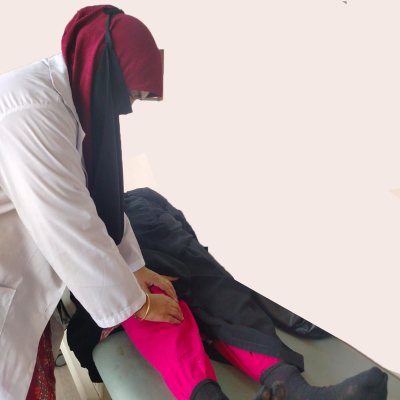
Introduction
Knee pain is one of the most common musculoskeletal problems affecting people of all ages in Dhaka and across Bangladesh. From young athletes and office workers to elderly individuals, knee pain can significantly limit daily activities such as walking, climbing stairs, sitting, or standing for long periods. If left untreated, knee pain may worsen over time and lead to long-term disability.
At Chowdhury Physiotherapy Centre, Dhaka, we provide advanced, non-surgical physiotherapy treatment for knee pain, focusing on pain relief, improved mobility and long-term recovery. With over 18 years of clinical experience, our expert physiotherapists use evidence-based techniques to treat the root cause of knee pain—not just the symptoms.
Knee pain refers to discomfort, stiffness, swelling, or weakness in or around the knee joint. The knee is a complex joint made up of bones, cartilage, ligaments, muscles, and tendons. Damage or imbalance in any of these structures can cause pain and restrict normal movement.
Knee pain can be acute (caused by sudden injury) or chronic (long-term pain lasting weeks or months). Early physiotherapy intervention plays a vital role in preventing complications and avoiding surgery.
- Osteoarthritis and age-related joint degeneration
- Patellofemoral pain syndrome (pain around the kneecap)
- Sports injuries (muscle strain, ligament sprain, and meniscus injury)
- Muscle weakness or imbalance
- Knee pain after injury or surgery
- Overuse injuries due to prolonged walking or standing
- Poor posture and faulty movement patterns
- Obesity-related stress on knee joints
Symptoms That Indicate You Need Physiotherapy for Knee Pain
You should consult a physiotherapist if you experience:
- Knee pain while walking or climbing stairs
- Stiffness or reduced knee movement
- Swelling or tenderness around the knee
- Clicking or grinding sensation
- Knee instability or giving way
- Difficulty sitting, squatting, or standing up
- Pain lasting more than a few days
Ignoring these symptoms may worsen the condition and delay recovery.
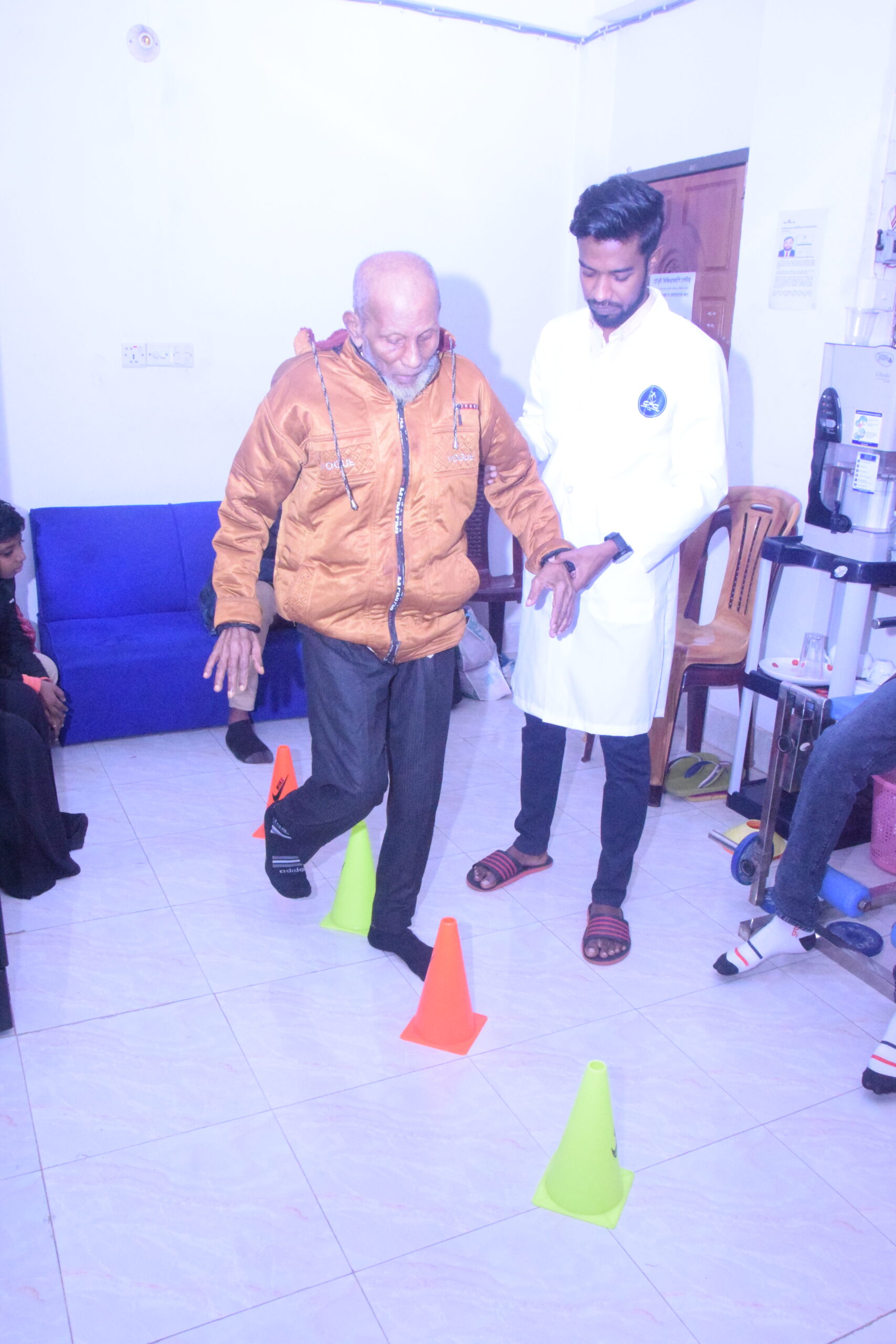
Physiotherapy is one of the most effective and safest treatments for knee pain. Unlike painkillers that only mask symptoms, physiotherapy focuses on identifying and treating the root cause of pain to achieve long-lasting results.
Through a combination of evidence-based techniques, physiotherapy helps restore normal movement, reduce pain, and improve knee function naturally—without surgery.
- Reduces pain and inflammation
- Improves joint mobility and flexibility
- Strengthens weak muscles around the knee
- Improves balance and stability
- Prevents recurrence of knee pain
- Avoids unnecessary surgery
- Enhances overall quality of life
Knee Pain in Different Age Groups
- Knee Pain in Young Adults
Often caused by sports injuries, overuse, or muscle imbalance. Physiotherapy helps restore strength and prevent long-term damage.
- Knee Pain in Office Workers
Prolonged sitting, poor posture, and lack of activity can cause knee stiffness and weakness. Regular physiotherapy and exercise correction are highly effective.
- Knee Pain in Elderly Patients
Commonly due to arthritis or degeneration. Gentle physiotherapy improves mobility, reduces pain, and helps maintain independence.
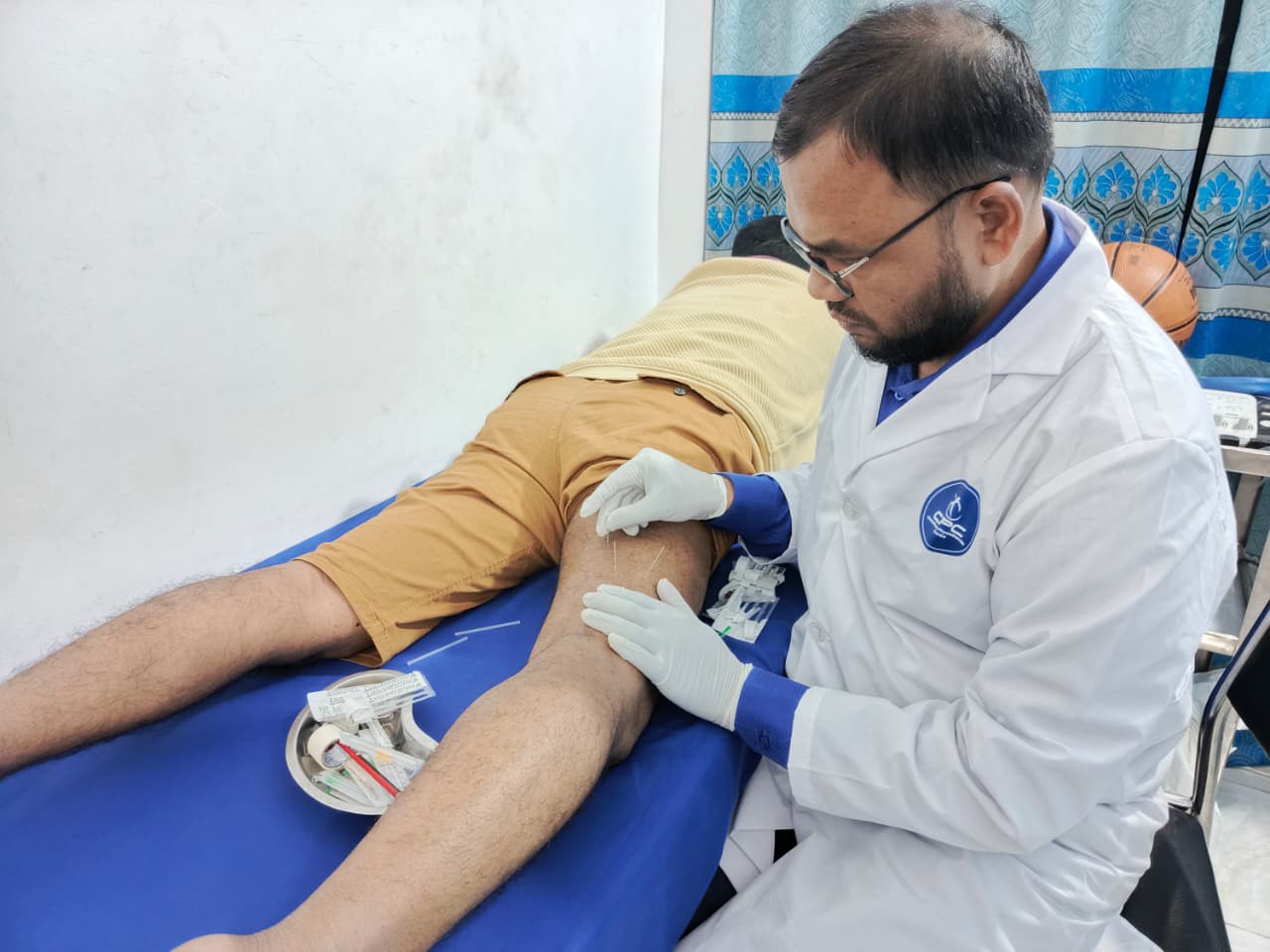
Our knee pain treatment programs are personalized, evidence-based, and goal-oriented. Each patient receives a customized physiotherapy plan based on their condition, age, activity level, and lifestyle needs.
We conduct a comprehensive assessment to identify the exact cause of knee pain by evaluating:
- Posture and gait pattern
- Muscle strength and imbalance
- Joint mobility and flexibility
- Pain location and movement patterns
To control pain, swelling, and muscle tension, our treatment may include:
- Manual therapy
- Electrotherapy (as required)
- Soft tissue mobilization
- Clinical dry needling
These techniques help reduce pain, inflammation, and muscle tightness effectively.
Targeted strengthening exercises are prescribed to improve support around the knee joint:
- Quadriceps muscles
- Hamstrings
- Hip and calf muscles
Strong muscles reduce pressure on the knee joint and enhance stability.
We focus on restoring full knee movement and reducing stiffness through guided stretching and joint mobilization techniques.
Faulty posture or walking patterns can worsen knee pain. Our physiotherapists correct these issues to prevent recurrence and future injuries.
For athletes and active individuals, we provide sport-specific and functional rehabilitation to ensure a safe and confident return to activity.
- 18+ years of clinical experience Physiotherapy doctor
- Expert and qualified physiotherapists
- Non-surgical, evidence-based treatment
- Personalized care for each patient
- Modern rehabilitation techniques
- Separate care facilities for male and female patients
We are committed to providing safe, effective, and ethical physiotherapy care for knee pain patients.
Recovery time depends on several factors including:
- Severity of the condition
- Age and overall health
- Consistency with therapy and exercises
- Follow your physiotherapist’s exercise program
- Maintain a healthy weight
- Use proper footwear
- Stay active with safe movements
- Avoid prolonged sitting or squatting
- Do not ignore persistent knee pain
- Avoid self-medication without professional advice
When Should You Visit Chowdhury Physiotherapy Center?
You should book an appointment if:
- Knee pain affects daily activities
- Pain persists despite rest or medication
- You want to avoid surgery
- You need professional rehabilitation after injury
- Early treatment leads to faster and better recovery.
- Book Your Knee Pain Physiotherapy Appointment in Dhaka
If you are suffering from knee pain and looking for trusted physiotherapy treatment in Dhaka, Chowdhury Physiotherapy Center is here to help.
1. When should I visit Chowdhury Physiotherapy Centre for knee pain?
You should visit if your knee pain lasts more than a few days, worsens while walking or climbing stairs, causes swelling or stiffness, or affects your daily activities.
2. Is physiotherapy effective for knee arthritis?
Yes. Physiotherapy at Chowdhury Physiotherapy Centre focuses on pain reduction, improving joint mobility, strengthening muscles, and delaying or avoiding knee replacement surgery.
3. How long does it take to recover from knee pain with physiotherapy?
Most patients start feeling improvement within 2–4 weeks, depending on severity, age, lifestyle, and consistency of therapy sessions.
4. What types of exercises are used for knee pain treatment?
Personalized exercise programs may include quadriceps strengthening, hamstring stretching, range-of-motion exercises, balance training, and functional movement correction.
5. Is body weight related to knee pain?
Yes. Excess body weight increases stress on knee joints. We combine physiotherapy with lifestyle guidance to help reduce knee pain effectively.
6. Can physiotherapy help avoid knee surgery?
In many cases, yes. Early treatment helps control pain, improve function, and prevent further joint damage, reducing the need for surgery.
✅ Start Your Knee Pain Recovery Today!
Visit Chowdhury Physiotherapy Centre in Dhaka or call +88 01703 724 200 for consultation. Your path to a pain-free life begins here.
📞 Call +88 01703 724 200🌐 Website: www.chowdhuryphysio.com
📌 Facebook: Chowdhury Physiotherapy Centre
Neck Pain Treatment Without Surgery
Expert Neck Pain Physiotherapy in Dhaka – Trusted Care at Chowdhury Physiotherapy Centre.
Introduction:
Neck pain has become one of the most common musculoskeletal problems among adults in Dhaka and worldwide. Whether caused by poor posture, long hours at a desk, or age-related cervical issues, untreated neck pain can affect daily life, sleep, and productivity. At Chowdhury Physiotherapy Centre, we specialize in non-surgical neck pain treatments, providing safe, effective and personalized care for patients of all ages.
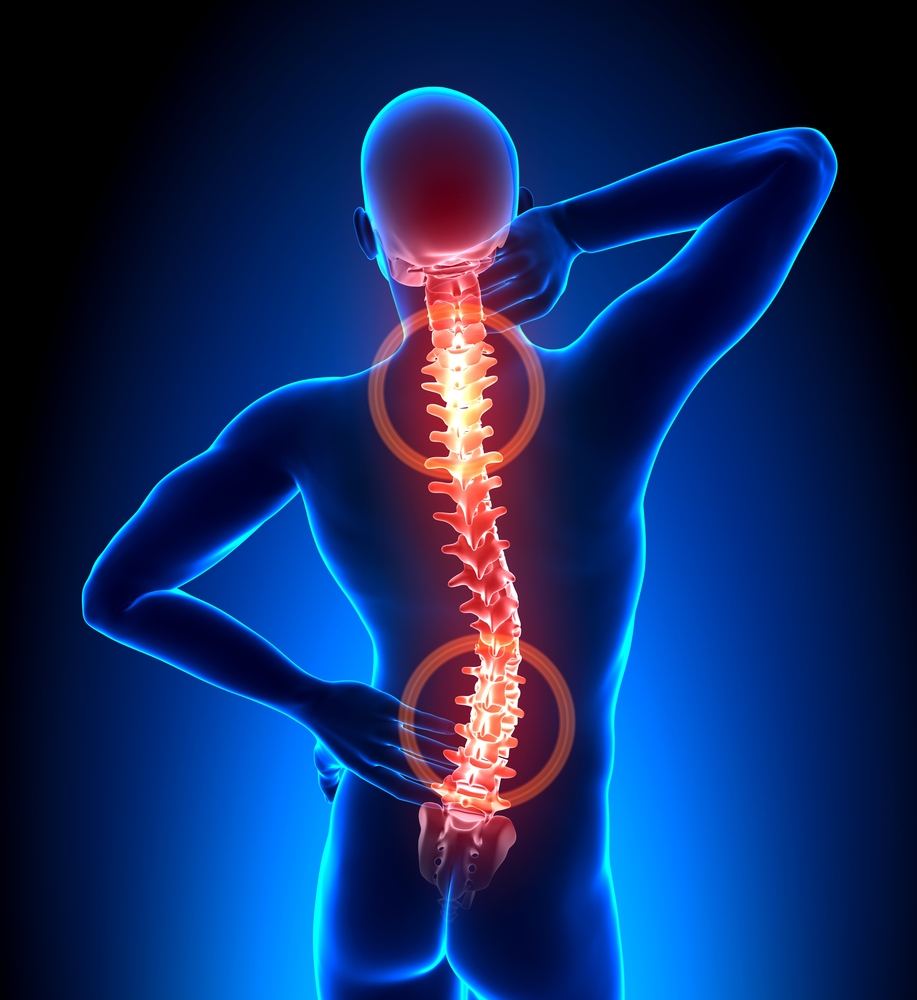
Neck pain is discomfort, soreness, or stiffness in the cervical region of the spine. It can range from mild stiffness to severe pain that affects daily activities and quality of life.
- Poor posture: Slouching while using computers, laptops, or mobile phones.
- Cervical spondylosis: Age-related wear and tear of the cervical spine.
- Muscle strain: Overuse, sudden movements, or improper lifting.
- Herniated cervical disc: Pressure on nerves causing pain, numbness, or tingling.
- Stress and tension: Leading to muscle tightness in the neck and shoulders.
- Neck stiffness and reduced flexibility
- Sharp or aching pain in the neck
- Limited range of motion
- Headache and shoulder pain
- Numbness or tingling in arms or fingers
Why Neck Pain Is Increasing in Dhaka?
Modern lifestyles, especially office work and excessive smartphone usage, are significant contributors to chronic neck pain. Sitting for hours without proper ergonomics, constantly looking down at devices, or sleeping in poor positions all strain the cervical spine. People in Dhaka are increasingly experiencing these problems due to long work hours, traffic stress and limited awareness of preventive care.
- Acute Neck Pain – Short-term pain lasting a few days to weeks.
- Chronic Neck Pain – Persistent pain lasting more than three months.
- Cervical Radiculopathy – Nerve-related pain caused by a herniated cervical disc.
- Cervical Spondylosis – Degenerative changes in the neck’s joints and discs.
When Should You See a Physiotherapist?
You should consult a physiotherapist if you experience:
- Severe neck pain that does not improve with rest
- Pain radiating to shoulders, arms, or hands
- Numbness or tingling in the upper limbs
- Difficulty turning your head or performing daily tasks
- Recurring neck stiffness and headaches
Early physiotherapy intervention can prevent long-term complications and reduce the need for medication or surgery.
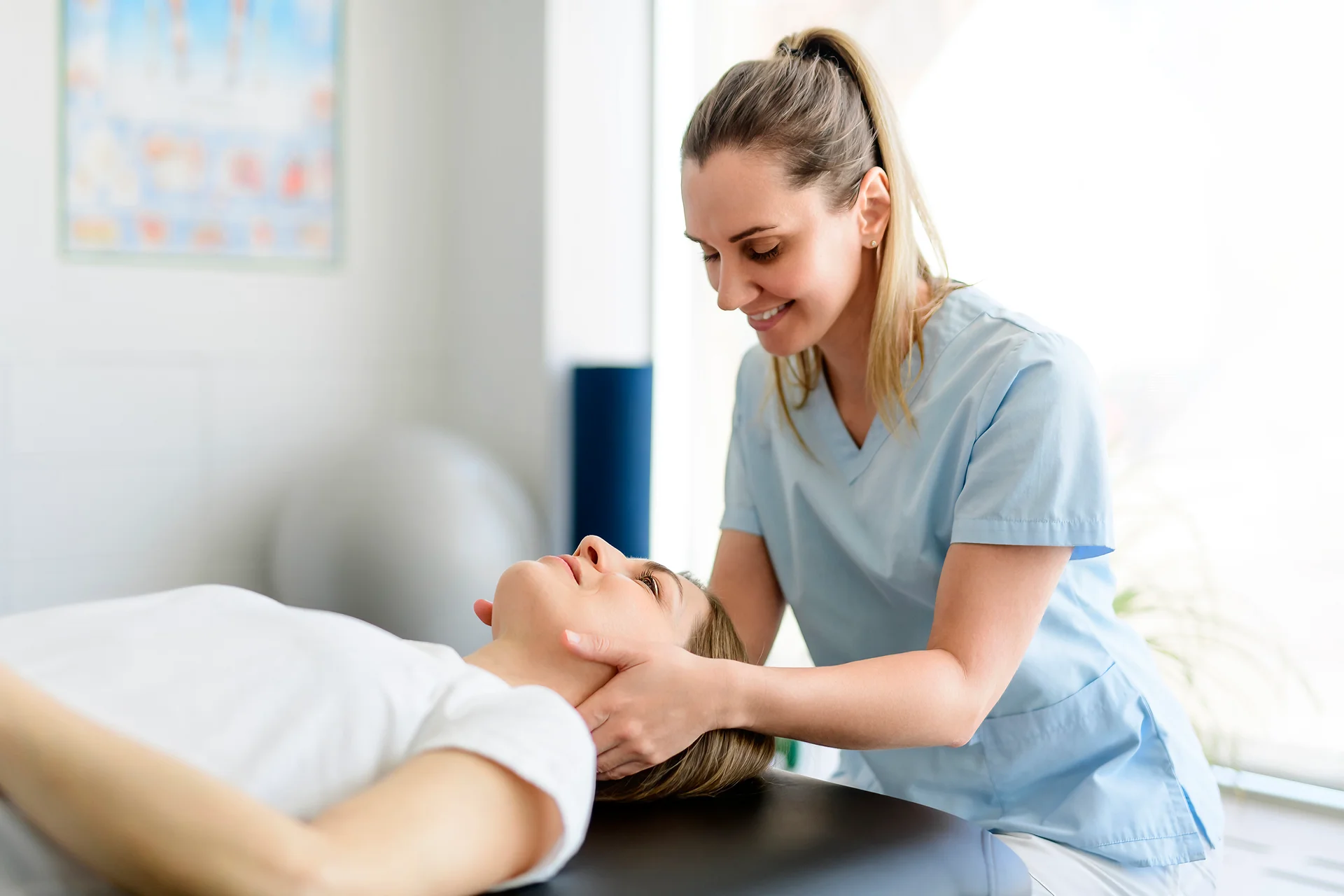
You should consult a physiotherapist if you experience any of the following neck-related problems:
- Severe neck pain that does not improve with rest
- Pain radiating to shoulders, arms, or hands
- Numbness or tingling in the upper limbs
- Difficulty turning your head or performing daily tasks
- Recurring neck stiffness and headaches
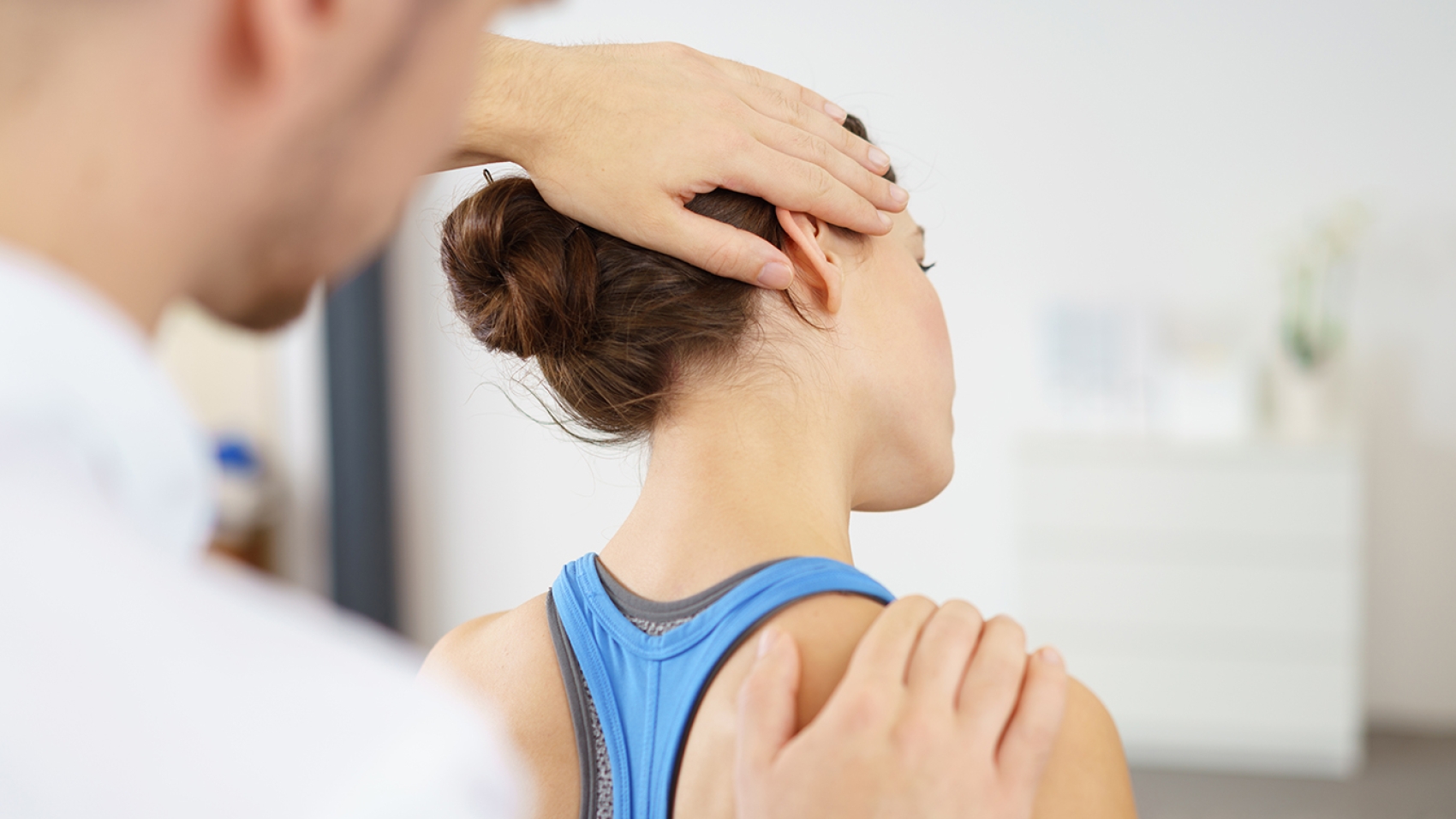
Physiotherapy is a non-invasive, evidence-based approach to treating neck pain. At Chowdhury Physiotherapy Centre, our experienced physiotherapists use the following techniques:
Manual Therapy
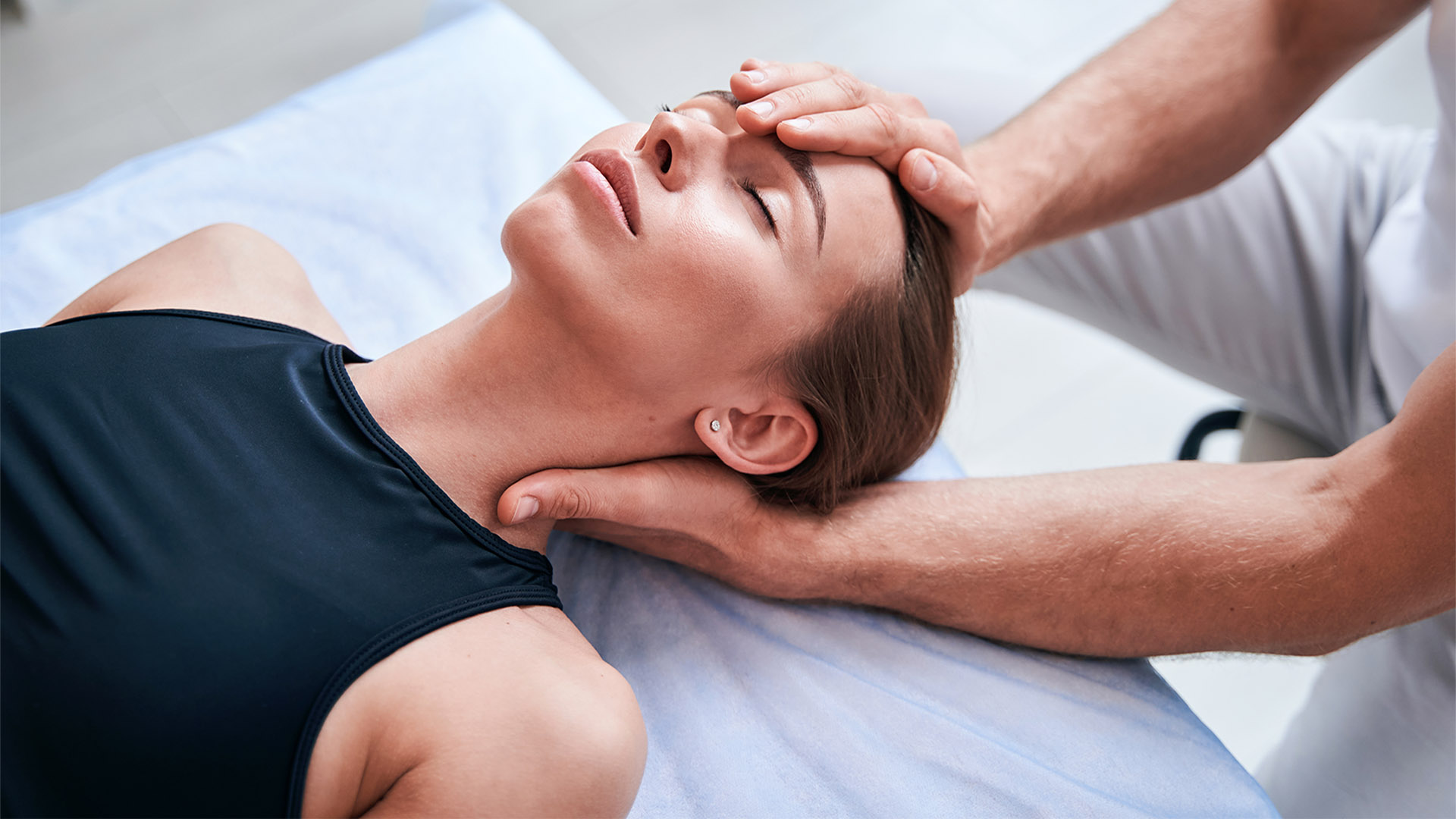
Gentle mobilization and manipulation techniques to improve neck movement and reduce pain.
Therapeutic Exercises
Strengthening and stretching exercises to reduce muscle tension and restore flexibility.
Postural Correction
Education and training to improve posture and prevent recurrence of neck pain.
Dry Needling
Effective treatment for trigger points and muscle spasms.
Electrotherapy
Applied as per clinical protocol to reduce pain and promote healing.

At Chowdhury Physiotherapy Centre, we help neck pain patients through accurate assessment, personalized physiotherapy treatment, and evidence-based rehabilitation. Our approach focuses on treating the root cause of pain rather than just the symptoms.
Ergonomic Advice
Workstation and daily activity adjustments to reduce strain on the neck and spine.
Sitting & Sleeping Posture
Correct sitting and sleeping posture guidance to prevent stiffness and recurring pain.
Activity Modification
Safe movement and activity modification strategies to protect the neck during recovery.
Home Care Tips to Prevent Neck Pain Recurrence?
- Maintain proper posture while sitting or working.
- Take frequent breaks from prolonged screen time.
- Sleep on a supportive pillow and avoid sleeping on your stomach.
- Perform daily neck and shoulder stretches.
- Stay hydrated and maintain a healthy lifestyle.
- These simple steps, combined with physiotherapy, significantly reduce the risk of recurring neck pain.
Why Choose Chowdhury Physiotherapy Centre for Neck Pain?
Trusted center in Dhaka for cervical disc prolapse.
- Experienced physiotherapy specialists with 18+ years of expertise.
- Non-surgical pain management approach tailored to each patient.
- Modern rehabilitation techniques including dry needling, mobilization and exercise therapy.
- Personalized treatment plans for office workers, elderly patients, and active individuals.
- Separate care facilities for male and female patients ensuring comfort and privacy.
- Trusted center in Dhaka for chronic neck pain, cervical spondylosis and postural problems.
What Is Clinical Dry Needling?
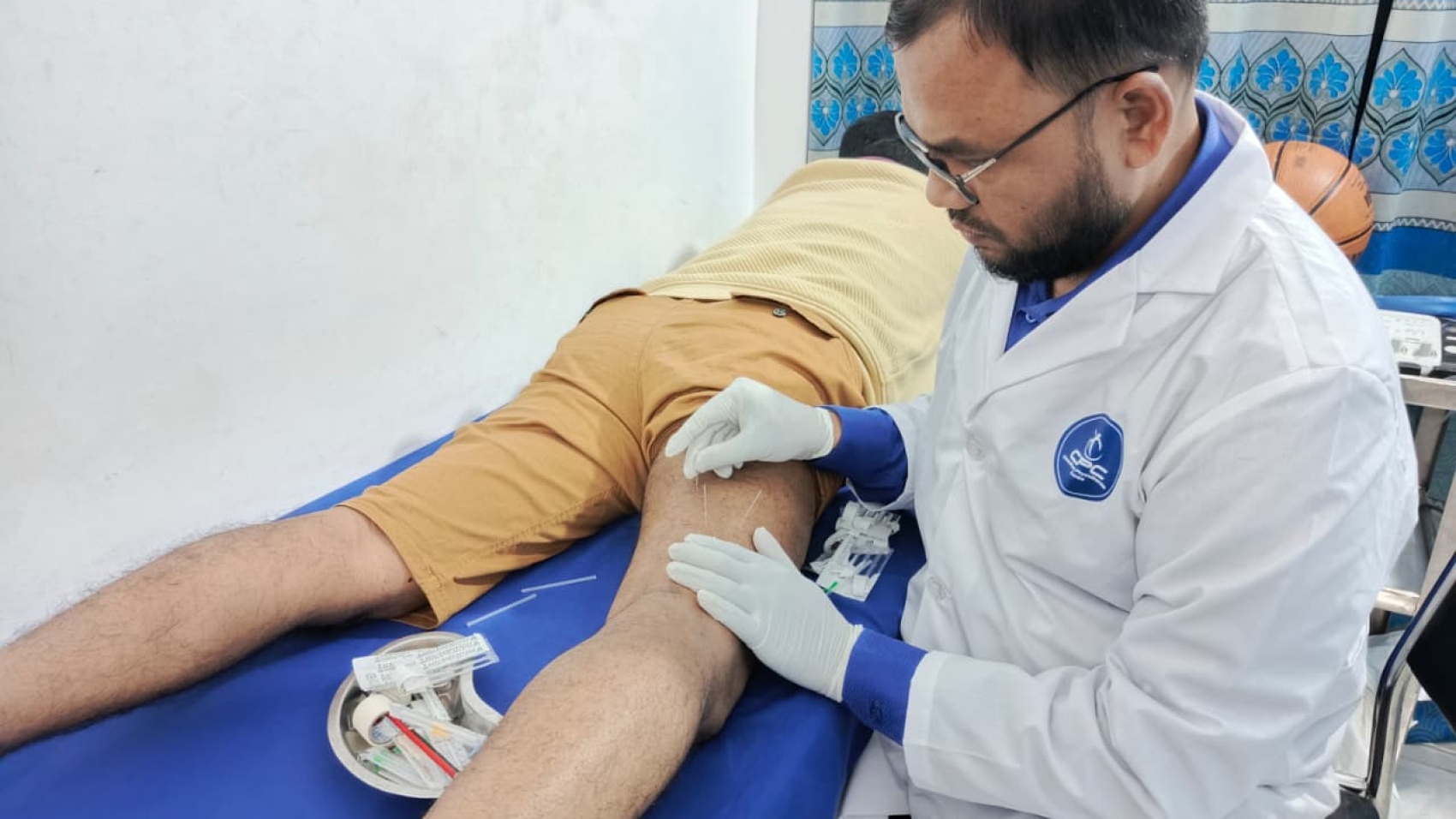
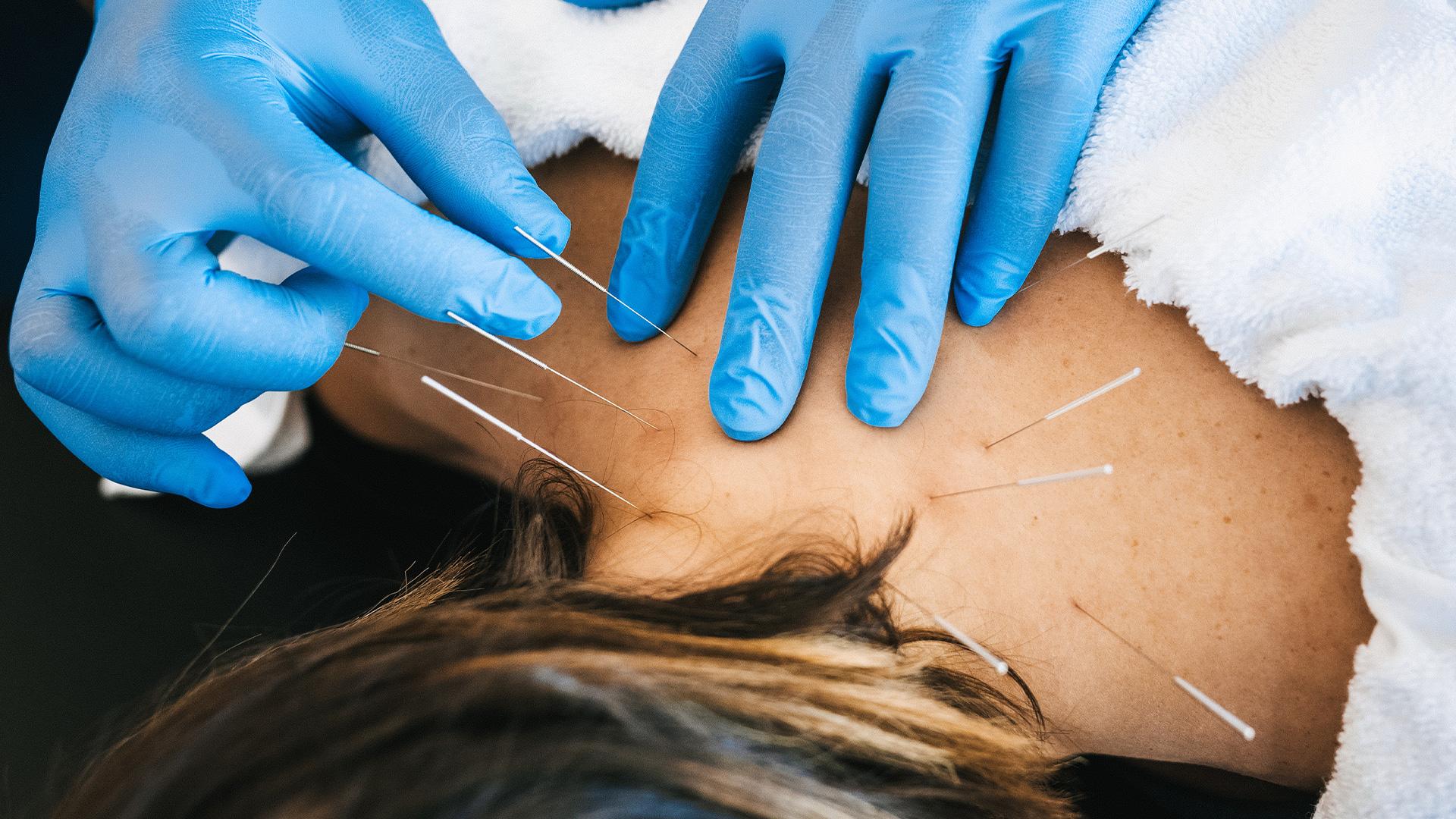
Clinical Dry Needling (CDN) is a specialized physiotherapy technique where thin, sterile needles are inserted into trigger points or tight muscle bands. These trigger points are often the source of pain, stiffness, and restricted movement.
Unlike acupuncture, which is based on traditional medicine, dry needling is evidence-based and focuses on muscle physiology, nerve activation, and pain reduction.
Clinical Dry Needling for Neck Pain, Neck Muscle Spasm and Trigger Points – At Chowdhury Physiotherapy Centre, Dhaka, Bangladesh.
Neck pain caused by muscle spasm or trigger points can significantly impact daily life. Activities like working long hours at a computer, poor posture or stress can tighten neck muscles, reduce mobility and cause chronic pain. At Chowdhury Physiotherapy Centre in Dhaka, we offer Clinical Dry Needling, a safe and effective physiotherapy technique that targets tight muscles for fast pain relief and improved function—without surgery or medication.
- Expert physiotherapists trained in advanced dry needling techniques
- Non-surgical and drug-free treatment for neck pain and muscle spasm
- Personalized care plans designed for each patient
- Modern rehabilitation techniques including manual therapy, exercises, and postural correction
- Comfortable treatment environment with separate care facilities for men and women
Cervical disc prolapse, commonly known as a slipped or herniated disc in the neck, occurs when the soft inner part of a spinal disc pushes through the tougher outer layer. This condition can lead to neck pain, stiffness, and radiating pain that travels to the arms.
- Age-related disc degeneration
- Poor posture and prolonged neck strain
- Sudden injury or trauma
- Persistent neck pain
- Tingling or numbness in the arms or hands
- Weakness in the upper limbs
- Limited neck movement
Advanced Physiotherapy Techniques for Neck Pain Relief
At Chowdhury Physiotherapy Centre, we focus on non-surgical treatments for cervical disc prolapse, including:
- Targeted physiotherapy exercises
- Manual therapy for neck mobility
- Clinical dry needling
- Posture correction and ergonomic advice
Early diagnosis and physiotherapy can prevent worsening symptoms and improve daily function. If you are experiencing neck pain or tingling in your arms, consult a physiotherapist today.
Q1: Can neck pain be treated without surgery?
Yes. Most neck pain cases respond well to physiotherapy, exercise, and posture correction—avoiding the need for surgery.
Q2: How long does physiotherapy take to relieve neck pain?
It depends on severity. Mild pain may improve in 2–4 weeks, while chronic conditions may require 6–8 weeks.
Q3: Is neck pain treatment painful?
No. Our techniques are gentle. Some mild soreness may occur after exercises or dry needling, which is temporary.
Q4: Can office workers prevent neck pain?
Absolutely. Proper ergonomics, frequent breaks, and targeted exercises significantly reduce neck strain.
Q5: Do you provide treatment for all ages?
Yes. Our physiotherapists customize treatment for adults, elderly patients, and post-injury cases.
✅ Start Your Neck Pain Recovery Today!
Book an appointment by calling our clinic or visiting our website. Early physiotherapy intervention ensures faster re
✅ Start Your Neck Pain Recovery Today!
Visit Chowdhury Physiotherapy Centre in Dhaka or call +88 01703 724 200 for consultation. Your path to a pain-free life begins here.
📞 Call +88 01703 724 200🌐 Website: www.chowdhuryphysio.com
📌 Facebook: Chowdhury Physiotherapy Centre