
Specialized Physiotherapy Care for Stroke and Paralysis Patients.
Introduction
At Chowdhury Physiotherapy Centre, we are dedicated to helping patients recover from stroke and paralysis with modern physiotherapy techniques. Stroke and paralysis can significantly impact an individual’s mobility, independence, and overall quality of life. Our expert team focuses on providing personalized rehabilitation programs that restore movement, strength, and function. We combine evidence-based therapies, advanced technology, and compassionate care to ensure the best possible outcomes for every patient.
Understanding Stroke and Paralysis
- Stroke occurs when the blood flow to the brain is interrupted, leading to brain cell damage. Depending on the severity, it can result in partial or complete paralysis on one side of the body.
-
Paralysis may also arise from neurological disorders, spinal cord injuries, or brain injuries.
Common challenges include:
- Muscle weakness or stiffness
- Loss of balance and coordination
- Difficulty with walking or performing daily activities
- Speech and cognitive impairments
Early physiotherapy intervention plays a critical role in recovery by promoting neuroplasticity and enhancing functional independence.
How Chowdhury Physiotherapy Centre Helps?
At our center, we offer personalized rehabilitation programs designed to meet each patient’s specific needs. Our therapies focus on:
- Restoring movement and muscle strength
- Improving balance and coordination
- Managing spasticity and muscle stiffness
- Enhancing walking and functional independence
- Boosting confidence and quality of life
We combine the latest techniques in neurorehabilitation with compassionate care, ensuring that every patient receives the best possible support.

Advanced Physiotherapy Techniques
-
Neurodevelopmental Treatment (NDT / Bobath Concept)
Helps normalize muscle tone, facilitate natural movement, and improve posture and balance. -
Task-Oriented Functional Training
Practice real-life activities like walking, reaching, and daily tasks to enhance independence. -
Strengthening and Muscle Re-education
Gradually rebuilds weak muscles through active, assisted, and resistance exercises. -
Gait and Balance Training
Using parallel bars, treadmills and functional exercises to achieve safe, independent walking. -
Spasticity Management
Reduces stiffness and prevents deformities through stretching, positioning, and manual therapy. -
Mirror Therapy and Constraint-Induced Movement Therapy (CIMT)
Encourages brain reorganization to improve movement and function of affected limbs. -
Functional Electrical Stimulation (FES)
Activates weak muscles to improve strength, coordination, and functional mobility.
Stroke Rehabilitation at Every Stage
- Acute Stage: Early mobilization, joint care, prevention of complications.
- Sub-Acute Stage: Active exercises, functional training, sitting, standing, and walking.
- Chronic Stage: Strengthening, endurance, and community reintegration.
Chowdhury Physiotherapy Center supports patients at every stage, maximizing recovery potential.
Our Approach to Stroke and Paralysis Rehabilitation
Every patient receives a detailed assessment to identify the level of impairment, muscle strength, and mobility. Based on this, our therapists set realistic and achievable rehabilitation goals tailored to the patient’s needs.
Exercise is a cornerstone of stroke and paralysis rehabilitation. Our programs include:
- Strengthening exercises for affected muscles
- Range-of-motion exercises to prevent stiffness
- Balance and coordination training
- Task-specific exercises to improve daily activity performance
We use advanced neuro-rehabilitation techniques to help the brain rewire and improve function. These may include:
- Constraint-Induced Movement Therapy (CIMT)
- Electrical Stimulation Therapy
- Mirror Therapy
- Functional Task Training
Chowdhury Physiotherapy Centre is equipped with modern therapy tools and devices to aid recovery.
Importance of Early Intervention
- Reduce muscle stiffness and joint contractures
- Improve circulation and prevent complications
- Enhance neuroplasticity for better functional recovery
Improving Mobility and Daily Function
- Our rehabilitation programs aim to restore independence in daily activities, such as:
- Walking and stair climbing
- Dressing and grooming
- Eating and self-care activities
- Fine motor skills for hand function
We focus on repetitive, task-oriented exercises to build strength, coordination and confidence in performing these tasks independently.

Pain Management and Comfort of Stroke and Paralysis Patients
Stroke and paralysis patients often experience pain due to muscle spasticity, joint stiffness, or secondary complications. Our therapies include:
- Therapeutic massage
- Stretching and flexibility exercises
- Pain-relieving modalities like heat, cold, or electrical stimulation
By reducing discomfort, patients can participate more effectively in rehabilitation exercises.
Emotional and Cognitive Support
Recovery from stroke and paralysis is not only physical but also mental. Patients may face frustration, depression, or anxiety. At Chowdhury Physiotherapy Centre, we provide:
- Emotional counseling and motivation
- Cognitive rehabilitation exercises for memory and attention
- Support groups to encourage interaction and peer learning
Family Involvement in Rehabilitation
Involving family members in therapy improves outcomes. We educate caregivers on:
- Assisting with exercises at home
- Safe mobility techniques
- Preventing falls and injuries
- Encouraging independence and confidence
Our therapists provide ongoing guidance to create a supportive environment for the patient.
Success Stories
Many patients have regained significant mobility and independence with our therapy programs. From partial paralysis recovery to post-stroke rehabilitation, our personalized approach has helped patients:
- Walk independently after months of difficulty
- Perform daily tasks without assistance
- Regain confidence in social and professional life

Why Choose Chowdhury Physiotherapy Centre for Stroke and Paralysis Rehabilitation
- Experienced Physiotherapists: Specially trained in stroke and paralysis rehabilitation
- Personalized Rehabilitation Care: Tailored treatment plans for each patient
- Evidence-Based Techniques: Advanced therapies including NDT, FES and CIMT
- Holistic Rehabilitation: Focus on both physical recovery and emotional well-being
- Family Support: Guidance for caregivers to continue therapy safely at home
- Continuous monitoring and progress evaluation
- Compassionate and patient-centered care
Preventing Secondary Complications of Stroke and Paralysis Patients
Stroke and paralysis patients are at risk of secondary complications, including:
- Muscle contractures and joint deformities
- Pressure sores from immobility
- Respiratory and cardiovascular issues
Long-Term Rehabilitation and Maintenance
Recovery from stroke and paralysis is an ongoing process. Chowdhury Physiotherapy Centre emphasizes:
- Long-term exercise routines to maintain strength
- Periodic check-ups to monitor progress
- Lifestyle and ergonomic advice to prevent recurrence or deterioration
Conclusion
At Chowdhury Physiotherapy Centre, we understand that every stroke or paralysis recovery journey is unique. Our modern physiotherapy techniques, personalized programs, and compassionate care help patients regain independence, mobility, and confidence. By combining physical, cognitive, and emotional rehabilitation, we provide a holistic approach that ensures long-term success.
If you or your loved one is seeking effective physiotherapy for stroke or paralysis, Chowdhury Physiotherapy Centre is here to guide you at every step of recovery. Reclaim movement, reduce discomfort and live a fulfilling life with our expert care.
Frequently Asked Questions (FAQs) – Stroke & Paralysis Physiotherapy
Early intervention is crucial. Physiotherapy should ideally start within days to weeks after a stroke to prevent stiffness, improve neuroplasticity, and accelerate recovery.
Full recovery depends on stroke severity, patient age, and overall health. While complete reversal may not always be possible, Chowdhury Physiotherapy Center helps patients regain maximum mobility and functional independence.
Exercises may include:
- Strength training for weak muscles
- Range-of-motion and stretching exercises
- Balance and coordination training
- Task-specific functional exercises for daily activities
Recovery duration varies based on individual needs and stroke severity. Typically, it takes weeks to months, with continuous physiotherapy and home exercises.
Therapy is generally safe and focused on gradual improvement. Some exercises may cause mild muscle fatigue, but our therapists ensure comfort and proper technique throughout.
We combine certified physiotherapists, modern equipment, personalized programs, and compassionate care to deliver effective stroke and paralysis rehabilitation. Our goal is to help every patient regain mobility, confidence and independence.
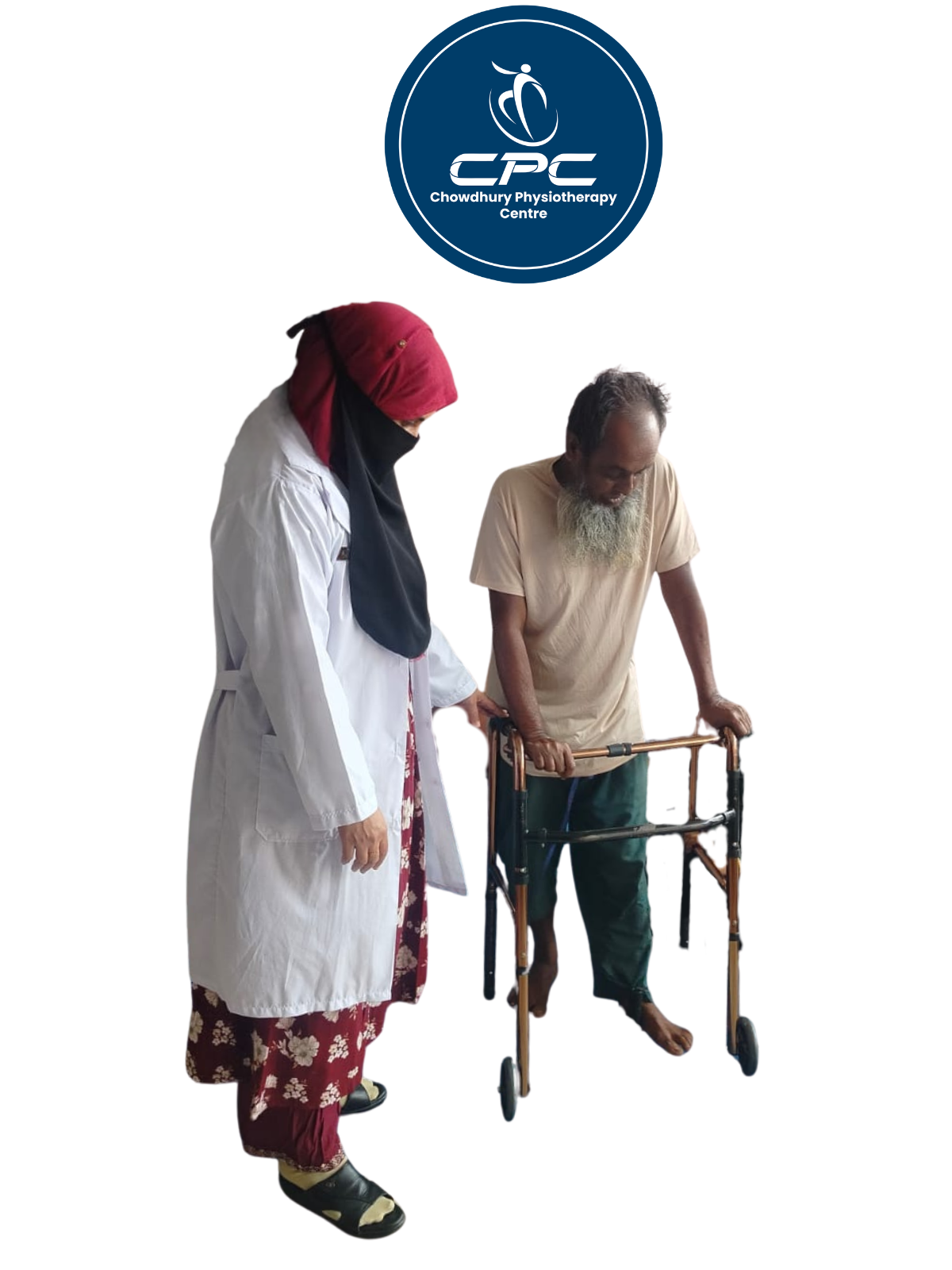
Modern Physiotherapy for Stroke and Paralysis recovery at Chowdhury Physiotherapy Centre.
Visit Chowdhury Physiotherapy Centre in Dhaka or call +88 01703 724 200 for consultation. Your path to a pain-free life begins here.
📞 Call +88 01703 724 200🌐 Website: www.chowdhuryphysio.com
📌 Facebook: Chowdhury Physiotherapy Centre