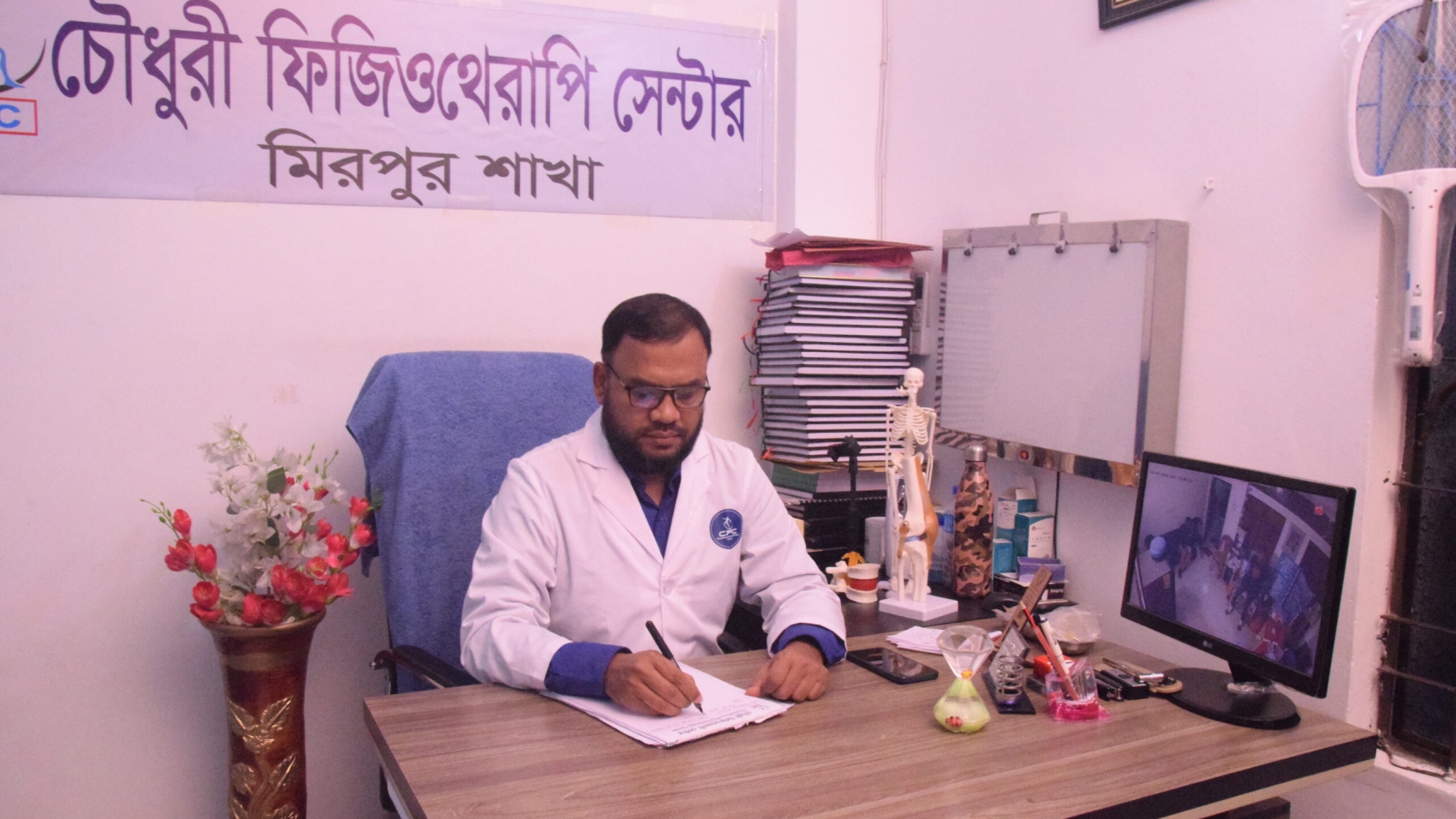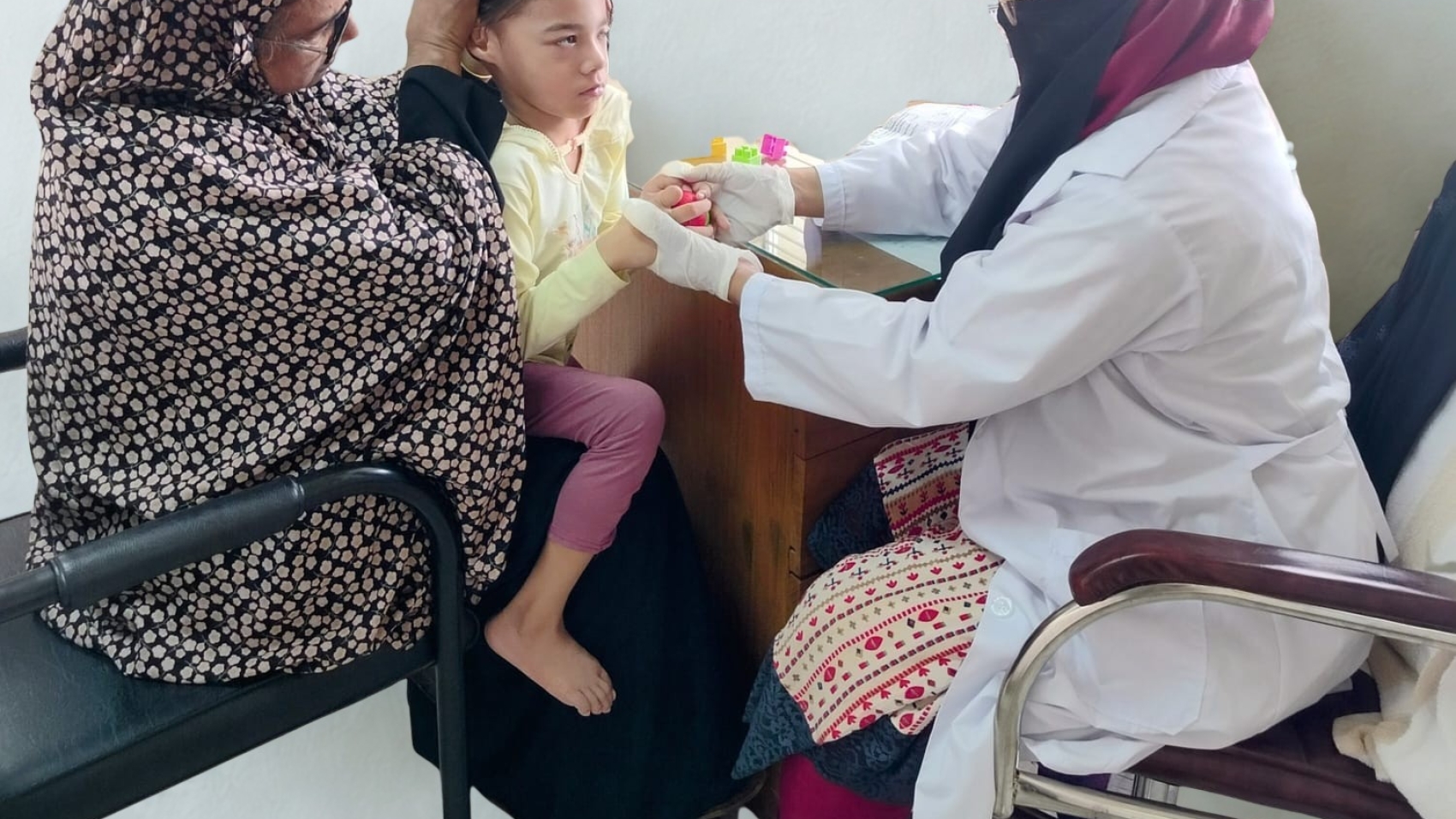
Restore movement, reclaim life – expert neurological care at Chowdhury Physiotherapy Centre.

Introduction
Parkinson’s Disease Treatment at Chowdhury Physiotherapy Centre
Parkinson’s disease is a progressive neurological disorder that primarily affects movement, balance, and coordination. It develops gradually and is most common in older adults, although younger individuals can also be affected.
At Chowdhury Physiotherapy Centre, we specialize in helping patients with Parkinson’s disease manage their symptoms, improve mobility, and maintain independence through personalized physiotherapy programs.
Causes of Parkinson’s Disease
The exact cause of Parkinson’s disease is not fully understood. However, several factors can contribute, including:
- Age-related changes in the brain
- Genetic predisposition in some families
- Environmental toxins exposure over time
- Abnormal protein accumulation in brain cells
While Parkinson’s disease cannot be completely cured, early diagnosis and proper rehabilitation can significantly improve quality of life.
Symptoms of Parkinson’s Disease
[Image of Parkinson's disease symptoms diagram]Symptoms of Parkinson’s disease vary from person to person but commonly include:
- Tremors – involuntary shaking of hands, arms, or legs
- Muscle stiffness (rigidity) – making movement slow and difficult
- Slowness of movement (bradykinesia)
- Impaired balance and coordination leading to frequent falls
- Shuffling gait and stooped posture
- Difficulty with daily tasks such as writing, dressing, or buttoning
- Speech and swallowing difficulties
- Fatigue, sleep disturbances and mood changes
Parkinson’s Disease Physiotherapy Approach
Chowdhury Physiotherapy Centre
At Chowdhury Physiotherapy Centre, our experienced physiotherapists design individualized treatment plans to address each patient’s specific needs. Physiotherapy plays a crucial role in slowing functional decline, reducing symptoms and improving overall mobility.
Our Parkinson’s disease physiotherapy programs focus on:
- Stretching and flexibility exercises
- Strength training
- Balance and gait training
- Postural correction exercises
- Functional training
- Breathing and relaxation
- Cueing strategies
Benefits of Parkinson’s Rehabilitation with us
- Improved mobility and walking confidence
- Reduced muscle stiffness and joint discomfort
- Better balance and fall prevention
- Enhanced independence in daily activities
- Improved posture, strength, and flexibility
- Supportive and motivating rehabilitation environment
Why Choose Chowdhury Physiotherapy Centre for Parkinson’s Disease Treatment?
With years of experience in neurological rehabilitation, Chowdhury Physiotherapy Centre offers a patient-centered approach combining the latest physiotherapy techniques and compassionate care. Our mission is to help individuals with Parkinson’s disease lead active, independent, and meaningful lives.
Frequently Asked Questions (FAQ)
Q1. Is Parkinson’s disease curable?
A1: Currently, there is no cure. However, symptoms can be managed effectively with medication, physiotherapy, lifestyle changes, and sometimes surgery.
Q2. Can Parkinson’s disease worsen over time?
A2: Yes, Parkinson’s is progressive. Symptoms may gradually worsen, but early diagnosis and consistent therapy can slow progression and improve quality of life.
Q3. Can Parkinson’s disease affect daily life?
A3: Yes, it can impact daily activities, but with early physiotherapy, medications, and support, most people can maintain independence for many years.
Conclusion
While Parkinson’s disease is a lifelong condition, regular physiotherapy at Chowdhury Physiotherapy Center can help manage symptoms effectively, improve quality of life, and maintain independence. Our dedicated team ensures every patient receives customized care, ongoing support, and the best possible outcomes.

Spinal Cord Injury (SCI) Rehabilitation
Chowdhury Physiotherapy Centre
At Chowdhury Physiotherapy Centre, we provide specialized physiotherapy care for patients living with Spinal Cord Injury (SCI). SCI can cause partial or complete loss of movement and sensation below the level of injury, significantly affecting daily life and independence.
Our expert physiotherapy team focuses on restoring function, improving mobility, and enhancing quality of life through personalized rehabilitation programs.
Physiotherapy Services for SCI
Strengthening and Conditioning: Targeted exercises for preserved muscles to maintain and improve strength.
Posture Management: Techniques to maintain proper spinal alignment and prevent pressure sores.
Mobility Training: Wheelchair or walking aid use to enhance independence and confidence.
Functional Task Training: Practicing daily activities such as dressing, feeding, and transfers.
Respiratory Exercises: Breathing techniques to improve lung function when needed.
Why Early Physiotherapy Matters for spinal cord injury?
At Chowdhury Physiotherapy Centre, we emphasize early and consistent physiotherapy, which is crucial for:
- Maximizing recovery potential
- Reducing secondary complications
- Maintaining independence in daily life
- Enhancing overall strength, flexibility and confidence

FAQ about Spinal Cord Injury:
Q1. Can SCI patients live independently?
A1: Yes, with rehabilitation, assistive devices, and lifestyle adaptations many regain daily life independence.
Conclusion:
We are committed to helping patients regain mobility, strength, and quality of life. With personalized care, expert guidance, and a supportive environment, SCI patients can achieve maximum independence and functional recovery.
Cerebral Palsy (CP) Care
Chowdhury Physiotherapy Centre
Cerebral Palsy (CP) is a neurological condition that affects movement, posture, and muscle tone in children and adults. At Chowdhury Physiotherapy Centre, we provide specialized care to improve mobility, independence and quality of life.
Common Signs of CP in Children
- Delayed milestones (sitting, crawling, walking)
- Stiff or floppy muscles
- Unusual posture or movements
- Difficulty with coordination and balance
What causes Cerebral Palsy?
- Brain injury during pregnancy or birth
- Premature birth or low birth weight
- Lack of oxygen during birth
- Infections affecting mother or baby
Our Specialized Services
- Muscle strengthening
- Gait and balance training
- Neurodevelopmental treatment (NDT)
- Range-of-motion exercises
- Functional mobility training
- Adaptive equipment guidance
- Caregiver training
Why Choose Chowdhury Physiotherapy Centre?
✔ Early Intervention is Key!
Starting physiotherapy early leads to better mobility, confidence, and independence. Even with CP, patients can achieve meaningful improvements in daily life.
FAQ about Cerebral Palsy (CP)
Q1. Can Cerebral Palsy be cured?
A1: There is no permanent cure for CP, but physiotherapy and rehabilitation can significantly improve mobility, muscle strength, posture and overall quality of life.
Q2. How early should therapy start?
A2: Early intervention is crucial. Physiotherapy can start as soon as CP is diagnosed to maximize developmental potential and prevent secondary complications.
Q3. How often should a child with CP attend physiotherapy sessions?
A3: Frequency depends on age, condition severity, and therapy goals. Many children benefit from 2–5 sessions per week, combined with home exercises.
Q4. Is physiotherapy safe for children with CP?
A4: Yes. All treatments at Chowdhury Physiotherapy Centre are customized, gentle and monitored by experienced physiotherapists to ensure safety and effectiveness.
Peripheral Nerve Injury Treatment
Chowdhury Physiotherapy Centre
Peripheral nerve injuries affect the nerves outside the brain and spinal cord, often leading to pain, numbness, weakness, or loss of function. At Chowdhury Physiotherapy Centre, we provide expert care to relieve pain, improve mobility, and promote nerve healing.
Comprehensive Treatment Modalities
1. Neuromuscular Re-education
This involves exercises that retrain the nerves and muscles to work efficiently together. It helps restore proper movement patterns and improves motor control, especially after trauma or prolonged nerve compression.
2. Electrotherapy
We use advanced electrotherapy modalities such as TENS and NMES to stimulate nerve regeneration, reduce pain, and promote muscle activation.
3. Manual Therapy
Our physiotherapists use hands-on techniques to release nerve compression, improve joint mobility, and restore soft tissue function. This is often combined with stretching and strengthening exercises to maximize recovery.
4. Strengthening & Stretching Exercises
Customized exercise programs are designed to improve muscle strength, flexibility, and endurance, helping patients regain normal function and reduce the risk of future injuries.
5. Ergonomic Guidance & Lifestyle Modification
We educate patients on proper posture, movement patterns, and lifestyle changes to minimize nerve stress and prevent recurrence, ensuring sustainable recovery and long-term wellness.
⚠ Early Intervention is Key
Peripheral nerve injuries can worsen if left untreated, leading to permanent damage. If you experience numbness, tingling, or weakness, seek professional care immediately.
Frequently Asked Questions (FAQ)
Q1: What is the role of physiotherapy on peripheral nerve injury?
A1: Physiotherapy helps improve strength, mobility, and function, and reduces pain by promoting nerve healing and muscle activation.
Q2: How long does recovery take?
A2: It varies—weeks to months for mild injuries (Neuropraxia); severe cases (Axonotmesis/Neurotmesis) may take months to years.
Conclusion
At Chowdhury Physiotherapy Centre, we are dedicated to providing expert care that combines advanced techniques and personalized education. Our goal is to help you regain strength and confidence for a pain-free life.
Bell’s Palsy / Facial Palsy Treatment at Chowdhury Physiotherapy Centre
Bell’s Palsy is a condition that causes sudden weakness or paralysis of the muscles on one side of the face. It can affect your ability to smile, close your eye, or make facial expressions, impacting both appearance and daily functions. At Chowdhury Physiotherapy Center, we specialize in effective physiotherapy interventions to help patients recover faster and regain confidence.
Key symptoms of bell’s palsy/facial palsy
- Sudden weakness or paralysis on one side of the face
- Drooping of the mouth or eyelid
- Difficulty closing the eye on the affected side
- Drooling or difficulty eating
- Altered taste sensation
- Sensitivity to sound
Although most patients recover within weeks to months, timely intervention can significantly improve recovery and prevent long-term complications such as permanent facial asymmetry.
Bell’s Palsy & Facial Palsy Care
Chowdhury Physiotherapy Centre
Why Early Physiotherapy Matters
Physiotherapy plays a crucial role in managing Bell’s Palsy. Early intervention can:
- Stimulate facial muscles & prevent atrophy
- Reduce stiffness & improve motion
- Support nerve regeneration
- Restore expressions & symmetry
- Enhance confidence & quality of life
Physiotherapy Treatments
1. Facial Muscle Exercises
Guided exercises to strengthen muscles: Smiling, frowning, puckering lips, and eye closure drills.
2. Neuromuscular Re-Education
Retraining facial nerves using electrical stimulation (if needed), mirror feedback, and coordination drills for symmetry.
3. Massage & Soft Tissue
Light facial massage and stretching along nerve pathways to prevent scar tissue and stiffness.
4. Eye Care & Protection
Guidance on lubricating drops, protective patches, and blinking exercises for incomplete eyelid closure.
Recovery Timeline
2–4 Weeks
6–8 Weeks
3–6 Months
Why Choose Chowdhury Physiotherapy Centre?
- Expert Therapists: Specialized in Neurological & Facial palsy management.
- Advanced Equipment: Supporting faster and safer recovery.
- Comprehensive Support: Home exercise programs and lifestyle guidance.
"We aim to restore not just your smile, but your confidence."
Visit Chowdhury Physiotherapy Centre in Dhaka or call +88 01703 724 200 for consultation. Your path to a pain-free life begins here.
📞 Call +88 01703 724 200🌐 Website: www.chowdhuryphysio.com
📌 Facebook: Chowdhury Physiotherapy Centre