
Low Back Pain Treatment Without Surgery - Advanced Physiotherapy Care at Chowdhury Physiotherapy Centre.
Introduction
Sciatica is one of the most common causes of lower back and leg pain, affecting millions of people worldwide. It is not a disease itself, but a condition caused by irritation or compression of the sciatic nerve, the longest nerve in the human body. Sciatic pain can range from mild discomfort to severe, disabling pain that interferes with daily activities and quality of life. Early diagnosis and proper treatment – especially physiotherapy-based management – can significantly reduce pain, restore mobility, and prevent long-term complications. This writing provides a complete guide to sciatica, including causes, symptoms, diagnosis, treatment options.
At Chowdhury Physiotherapy Centre, we specialize in non-surgical, evidence-based physiotherapy treatment for sciatica, helping patients regain comfort, strength, and confidence in daily movement.
What Is Sciatica?
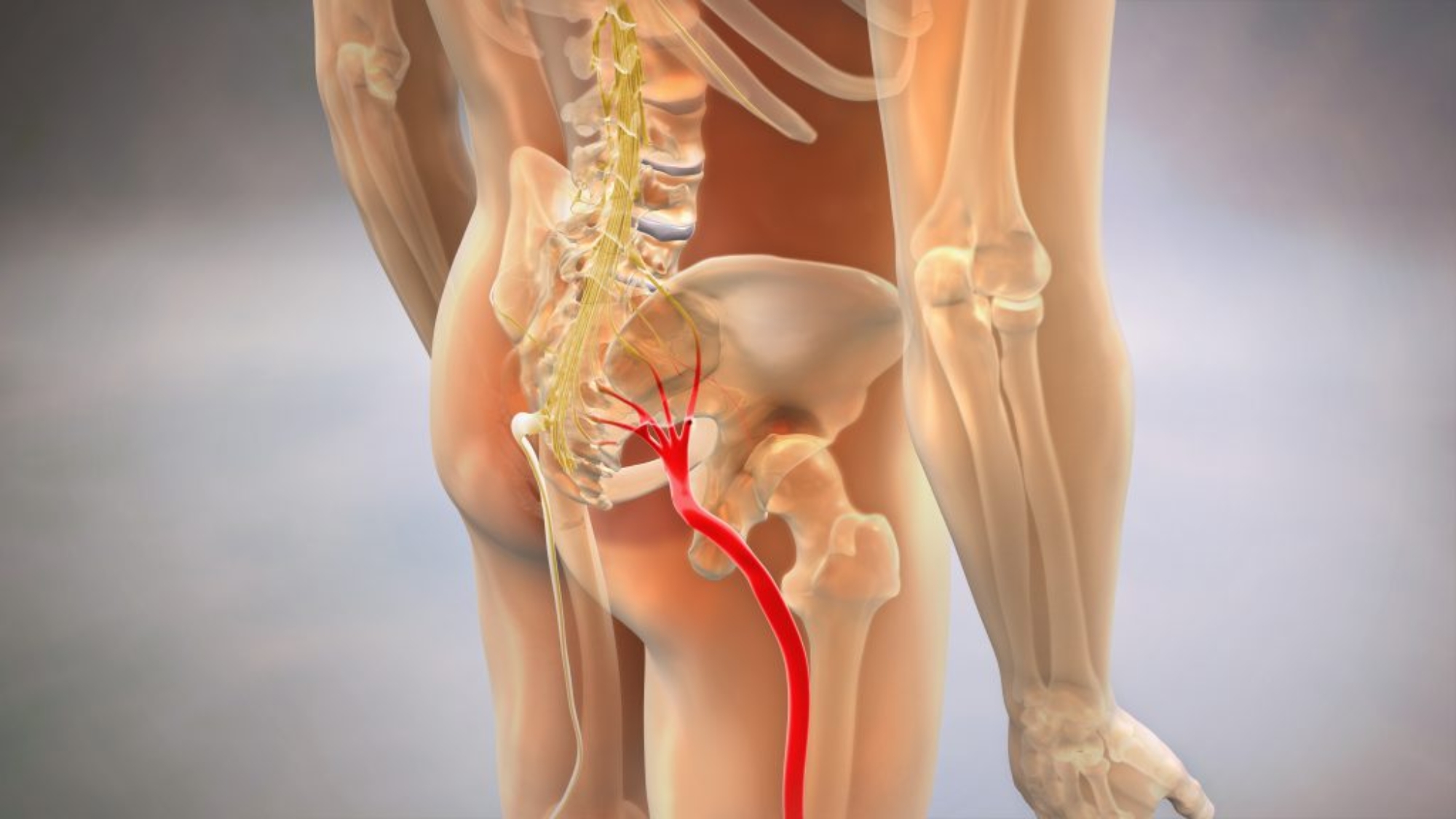
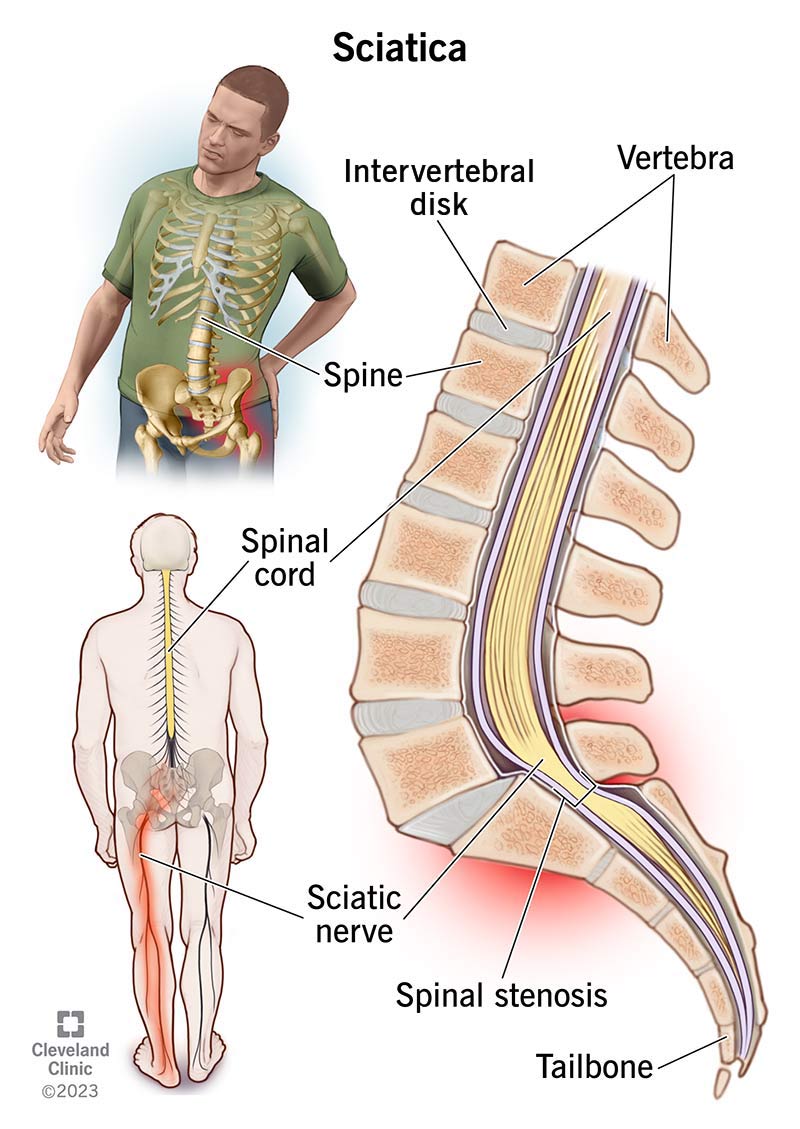
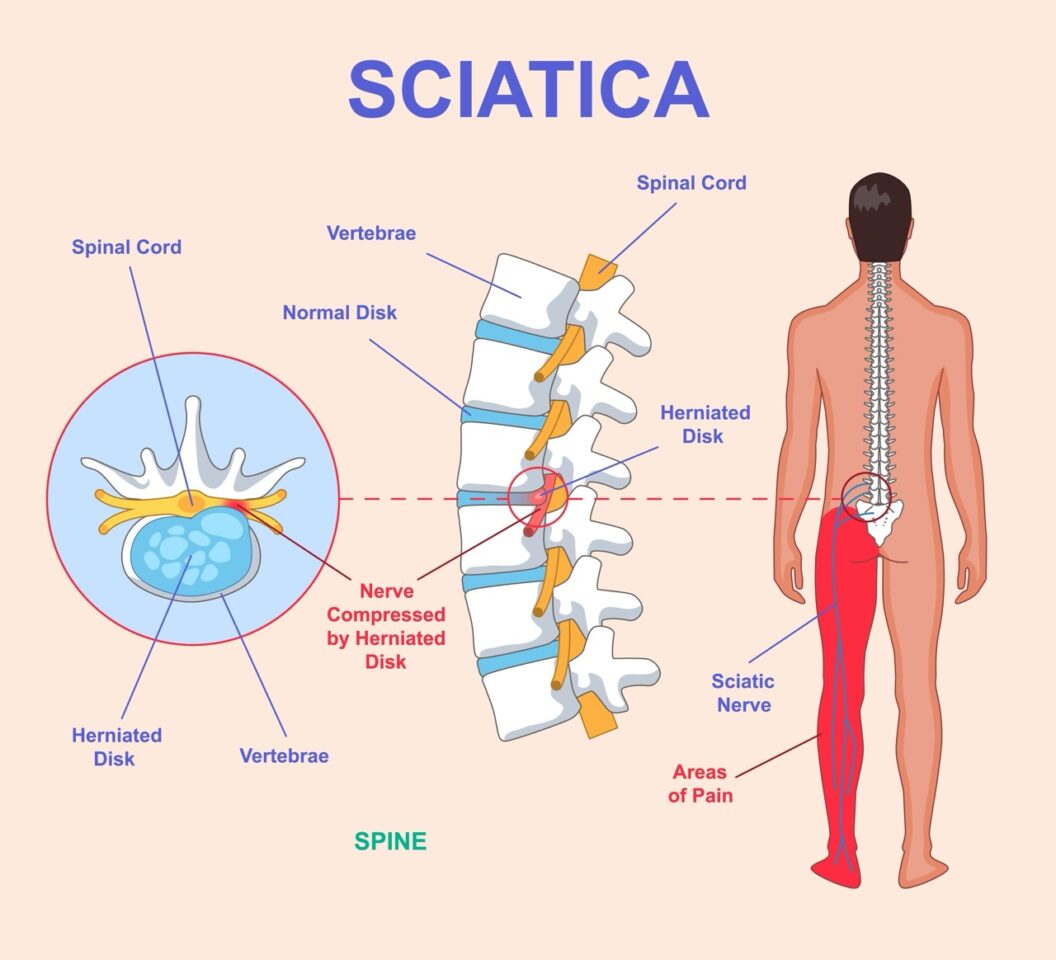
Sciatica refers to pain caused by irritation or compression of the sciatic nerve, which is the longest nerve in the human body. This nerve originates from the lower spine (lumbar region) and travels through the hips, buttocks, and down each leg.
Sciatica usually affects only one side of the body and is commonly associated with conditions involving the lumbar spine.
Key Definition
Sciatica is nerve pain caused by compression or irritation of the sciatic nerve, resulting in lower back pain that radiates down the leg.
Anatomy of the Sciatic Nerve
The sciatic nerve is formed by nerve roots from the L4 to S3 levels of the spine. It plays a crucial role in:
- Sensory supply to the lower limb
- Motor control of muscles involved in walking, standing, and maintaining balance
When the sciatic nerve becomes compressed, inflamed, or irritated, symptoms of sciatica develop.
Common Causes of Sciatica
- Several conditions can cause sciatica. The most common include:
- Lumbar Disc Herniation (Disc Prolapse / PLID): A bulging or herniated disc can press on the sciatic nerve roots, causing pain, numbness, and weakness.
- Degenerative Disc Disease: Age-related wear and tear of spinal discs may lead to nerve compression.
- Spinal Stenosis: Narrowing of the spinal canal puts pressure on spinal nerves.
- Spondylolisthesis: One vertebra slips over another, compressing the nerve roots.
- Piriformis Syndrome: The piriformis muscle irritates the sciatic nerve, especially during prolonged sitting.
- Trauma or Injury: Accidents, falls, or improper lifting can injure the spine.
- Pregnancy: Increased body weight and postural changes may compress the sciatic nerve.
- Poor posture and prolonged sitting.
At Chowdhury Physiotherapy Centre, our experienced physiotherapy specialist carefully evaluates the root cause of sciatica before starting treatment.
Common Symptoms of Sciatica
Common symptoms include:
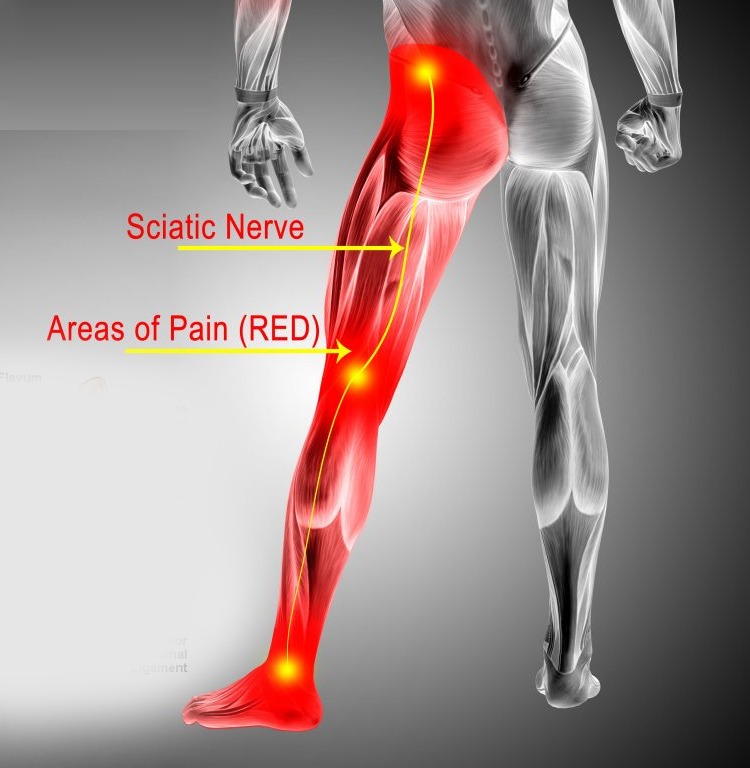
- Sharp or burning pain radiating from the lower back down to the leg
- Pain in the buttock, thigh, calf, or foot
- Numbness or tingling sensation in the leg or foot
- Muscle weakness in the affected leg or foot
- Pain that worsens with sitting, bending, coughing, or sneezing
- Difficulty standing or walking for long periods
Sciatica symptoms commonly result from compression or irritation of the sciatic nerve. This is often caused by conditions such as lumbar disc prolapse, spinal stenosis, or muscle tightness in the lower back.
Patients typically experience pain that begins in the lower back or buttock and travels down one leg, sometimes reaching the calf or foot. The pain may be sharp, burning, or electric in nature and often worsens with prolonged sitting, bending, lifting, coughing, or sneezing.
Additional symptoms may include numbness, tingling, reduced sensation, and muscle weakness in the affected leg. These symptoms can significantly interfere with walking, standing, and daily activities.
At Chowdhury Physiotherapy Centre, early assessment and evidence-based physiotherapy play a crucial role in reducing nerve pressure, relieving pain, restoring mobility, and preventing recurrence of sciatica.
Note: Severe symptoms such as bladder or bowel control problems or progressive leg weakness require immediate medical attention.
How Sciatica Is Diagnosed
- Detailed patient history
- Physical and neurological examination
- Straight Leg Raise (SLR) test
- Postural and movement analysis
- Muscle strength and reflex testing
- Imaging Tests
- MRI (Magnetic Resonance Imaging) – Gold standard
- X-ray (to detect bone abnormalities)
- CT scan (in selected cases).
At Chowdhury Physiotherapy Centre, Sciatica is diagnosed through a comprehensive clinical assessment, including detailed patient history, posture and movement analysis, neurological examination and special tests. Our expert physiotherapists accurately identify the root cause of sciatic nerve pain to ensure personalized, effective and non-surgical treatment for long-term relief.
Physiotherapy for Sciatica
(Most Effective Non-Surgical Treatment)
Physiotherapy is the cornerstone of sciatica management and is widely recognized as the most effective non-surgical treatment option.
Benefits of Physiotherapy
- Reduces nerve compression
- Relieves pain without surgery
- Improves spinal flexibility
- Strengthens core and back muscles
- Prevents recurrence of sciatica
Physiotherapy Techniques Used
- Manual therapy
- McKenzie method exercises
- Neural mobilization techniques
- Core stabilization programs
- Postural correction training
- Clinical dry needling
- Electrotherapy
- Heat and cold therapy
Our Approach at Chowdhury Physiotherapy Centre
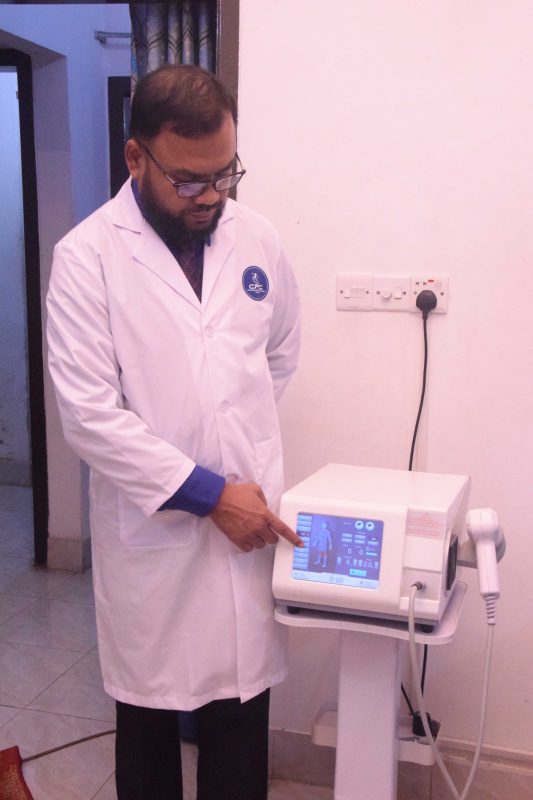
At Chowdhury Physiotherapy Centre, we treat sciatica through accurate assessment, personalized physiotherapy programs, and evidence-based rehabilitation. Our primary goal is to reduce nerve pain, restore mobility, correct posture, and ensure long-term recovery without surgery.
Lifestyle & Postural Guidance
- Ergonomic advice for work and daily activities
- Correct sitting and sleeping posture education
- Activity modification and movement guidance
Role of Physiotherapy in Long-Term Sciatica Recovery
Physiotherapy not only treats the symptoms of sciatica but also addresses its root causes. At Chowdhury Physiotherapy Centre, our goal goes beyond temporary pain relief—we focus on achieving long-term spinal health and functional recovery.
Through early assessment, individualized treatment planning, and evidence-based physiotherapy, patients can recover faster and avoid unnecessary surgical interventions.
Long-Term Benefits of Physiotherapy
- Reduced risk of sciatica recurrence
- Improved spinal health and alignment
- Better flexibility and muscle strength
- Enhanced overall quality of life
- Faster recovery with early physiotherapy intervention
Home Exercises & Professional Guidance
Home Exercises for Sciatica Relief
Home exercises should always be performed under professional guidance to avoid worsening symptoms.
- Knee-to-chest stretch
- Piriformis stretch
- Hamstring stretch
- Pelvic tilt exercises
- Core stabilization exercises
- Avoid exercises that increase pain
When to See a Physiotherapist?
- Pain lasts more than one week
- Pain radiates down the leg
- Numbness or muscle weakness develops
- Daily activities become difficult
Early treatment ensures faster and safer recovery.
Why Choose Professional Physiotherapy Care?
- Personalized treatment plans
- Evidence-based therapy
- Experienced physiotherapists
- Modern rehabilitation techniques
- Non-surgical pain relief approach
Sciatica Prevention Tips
- Maintain correct posture
- Avoid heavy lifting or use proper technique
- Stay physically active
- Strengthen core muscles
- Take breaks during prolonged sitting
- Use proper mattress support
When Should You Visit Chowdhury Physiotherapy Centre?
- Back pain radiates to the leg
- Pain lasts more than one week
- Numbness or weakness increases
- Daily activities become difficult
- Early physiotherapy prevents chronic complications
Why Choose Chowdhury Physiotherapy Centre?
- Experienced physiotherapy specialists
- Non-surgical pain management approach
- Personalized treatment plans
- Modern rehabilitation techniques
- Separate care facilities for male and female patients
- Trusted centre for back pain, PLID, and sciatica care
Frequently Asked Questions (FAQ)
Can sciatica be cured without surgery?
Ans: Yes. Most sciatica cases recover completely with physiotherapy and conservative care.
How long does sciatica recovery take?
Ans: Mild cases usually recover within 3–4 weeks, while chronic cases may take longer depending on severity.
Is walking safe for sciatica patients?
Ans: Yes. Gentle walking is generally encouraged under professional guidance.
Does physiotherapy prevent recurrence?
Ans: Absolutely. Strengthening exercises and posture correction significantly reduce future risk.
Is sciatica permanent?
Ans: No. Most cases recover fully with proper physiotherapy and lifestyle modifications.
Can physiotherapy cure sciatica?
Ans: Yes. Physiotherapy effectively treats most sciatica cases without the need for surgery.
Conclusion
Sciatica can significantly disrupt daily life, but with expert physiotherapy care, recovery is highly achievable. At Chowdhury Physiotherapy Centre, we focus on treating the root cause, relieving pain naturally, and restoring movement safely.
If you are suffering from sciatica, trust our experienced physiotherapy team to guide you toward a pain-free, active, and healthier life.
✅ Sciatica-A Complete Guide to Relief and Recovery
Visit Chowdhury Physiotherapy Centre in Dhaka or call +88 01703 724 200 for consultation. Your path to a pain-free life begins here.
📞 Call +88 01703 724 200🌐 Website: www.chowdhuryphysio.com
📌 Facebook: Chowdhury Physiotherapy Centre