

“PLID (Disc Prolapse): A Complete Physiotherapy Guide”

Introduction
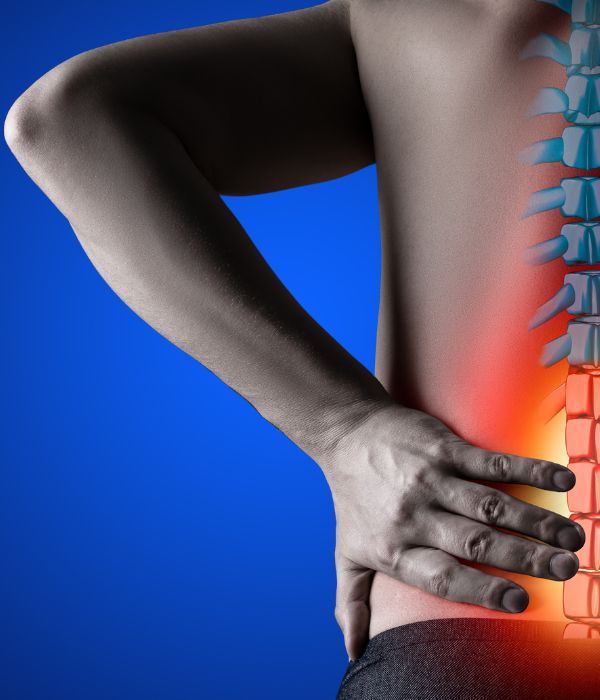
Low back pain is one of the most common musculoskeletal problems affecting people of all ages. Among the leading causes are PLID (Prolapsed Lumbar Intervertebral Disc), Disc Prolapse. These conditions can significantly affect daily activities, work performance and overall quality of life. At Chowdhury Physiotherapy Centre, we specialize in evidence-based, non-surgical physiotherapy management to help patients recover safely and regain pain-free movement.
Common causes of PLID (Disc Prolapse):
Common causes include:
Poor posture and prolonged sitting
Heavy lifting with improper technique
Repetitive bending or twisting
Weak core and back muscles
Obesity and lack of physical activity
Age-related disc degeneration
Sudden trauma or injury

What is PLID (Disc Prolapse)?
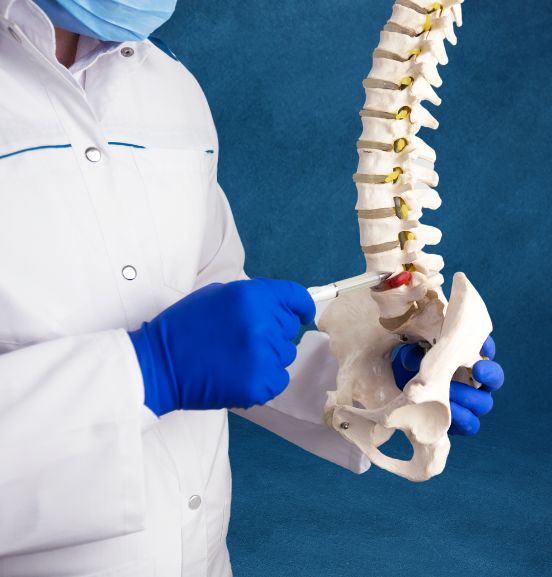
- The human spine is made up of vertebrae separated by intervertebral discs, which act as shock absorbers. Each disc has:
- A soft inner core (nucleus pulposus)
- A tough outer layer (annulus fibrosus)
PLID/disc prolapse/disc herniation occurs when the inner core pushes out through the outer layer. This can compress nearby spinal nerves, leading to pain, numbness or weakness. PLID most commonly affects the lumbar spine (lower back) but can also occur in the cervical spine (neck).
- Common Symptoms of PLID /Disc prolapse
- Lower back pain – dull or sharp, worsens with bending or lifting.
- Radiating leg pain – shooting pain down the buttocks and legs.
- Leg pain may be worse than back pain
- Numbness or tingling – usually in the thigh, calf, or foot.
- Weakness – difficulty in leg movement or foot drop in severe cases.
- Pain aggravation with sitting or standing for long periods.
- Pain worsens with walking, bending, coughing, or sneezing
- Severe cases: loss of bladder or bowel control
Early detection is crucial to prevent chronic nerve damage.


Diagnosis of PLID
- Accurate diagnosis is essential for effective treatment. Diagnosis may include:
- Detailed clinical assessment
- Posture and movement analysis
- Neurological examination
- Motor
- Sensory and
- Reflex
- MRI or CT scan (if required)
At Chowdhury Physiotherapy Centre, we focus on clinical correlation, not just scan reports.
Why Physiotherapy is the Best First-Line Treatment
Most cases of disc prolapse do not require surgery. Research shows that conservative
Management is highly effective in reducing pain and restoring function.
- Goals of Physiotherapy Treatment
- Reduce pain and nerve compression
- Improve spinal mobility
- Strengthen core and back muscles
- Correct posture and movement patterns
Physiotherapy Treatments for PLID
- At Chowdhury Physiotherapy Center, we focus on non-surgical, evidence-based physiotherapy to relieve pain, restore mobility, and prevent recurrence.
- Common physiotherapy treatments include:
- Manual therapy – gentle spinal mobilization to reduce nerve pressure.
- Guided exercises – core strengthening, stretching and stability exercises.
- Traction therapy (If needed) – helps relieve pressure on the compressed disc.
- Posture correction & ergonomic advice – prevents future injury.
- Spinal mobilization to improve joint function
- Electrotherapy– Pain management and inflammation reduction.
- Clinical Dry Needling: To reduce pain and muscle spasm
- Patients often notice significant improvement in 2-3 weeks with consistent therapy.
Life style Changes & Home Care
- Maintain a healthy weight to reduce spine load.
- Use proper lifting techniques to prevent strain.
- Regular low-impact exercise – walking, swimming or cycling.
- Apply hot/cold therapy for temporary pain relief.
- Avoid prolonged sitting or standing in one position. Take frequent breaks
- Sleep on a firm mattress
- Limit prolonged forward bending
- Quit smoking
- Use a lumbar support belt during long travel
- Perform regular therapeutic exercises as advised by your physiotherapist
Get Expert Care:
Early physiotherapy can reduce pain, improve mobility and prevent worsening of PLID. Consult a Physiotherapy specialist for a personalized treatment plan.
#PLIDtreatment #Lumbardiscprolapsetreatment #Nonsurgicaltreatment #Lowerbackpaintherapy #Painmanagementphysiotherapy
How to Prevent PLID (Prolapsed Lumbar Intervertebral Disc) naturally: A Complete Guide:
a). Maintain Correct Posture
- Always keep your spine in a neutral position while sitting, standing, or working. Avoid slouching or bending forward for long periods.
- Tip: Use an ergonomic chair and keep your feet flat on the floor.
b). Strengthen Core and Back Muscles
Strong abdominal and back muscles support the spine and reduce disc pressure. Regular core-strengthening exercises help prevent disc prolapse.
Recommended exercises:
- Pelvic tilt
- Bridge exercise
- Plank (as advised by a physiotherapist)
c). Practice Safe Lifting Techniques
- Bend your knees, not your waist
- Keep the object close to your body
- Avoid sudden twisting movements
- Improper lifting is one of the leading causes of PLID.
d). Stay Physically Active
- Regular low-impact activities such as walking, swimming, and stretching improve spinal flexibility and blood circulation.
- Avoid prolonged bed rest unless advised by a professional.
e). Maintain a Healthy Body Weight
- Excess body weight increases pressure on the lumbar spine, increasing the risk of disc prolapse. A balanced diet and regular exercise help reduce spinal stress.
f). Take Breaks During Long Sitting Hours
- If you work at a desk or use a mobile for long hours:
- Take a break every 30–45 minutes
- Stand, stretch, and walk for a few minutes
- This helps reduce lumbar disc pressure.
g). Get Regular Physiotherapy Check-ups
Early assessment by a qualified physiotherapist can detect spinal problems before worsen. Preventive physiotherapy improves posture, flexibility and muscle balance.
Role of Physiotherapy in PLID Prevention
- Physiotherapy plays a vital role in:
- Improving spinal alignment
- Strengthening weak muscles
- Reducing back stiffness
- Preventing recurrence of disc prolapse
- Personalized exercise programs ensure long-term spinal health.
When to See a Physiotherapist?
- Seek professional help if you experience:
- Persistent lower back pain
- Pain radiating to the leg
- Numbness or tingling
- Difficulty bending or standing
- Early treatment can prevent PLID from becoming severe.

Frequently Asked Questions (FAQs)
Q. Can PLID be treated without surgery?
Ans: Yes. Most cases of lumbar disc prolapse respond very well to advanced physiotherapy, targeted exercises, and lifestyle modifications. Surgery is required only in very severe or non-responsive cases.
Q. How long does physiotherapy take to relieve PLID / Disc Prolapse?
Ans: Typically, patients start noticing improvement within 2–3 weeks with evidence-based physiotherapy treatment.
Q. Is prolonged sitting bad for disc prolapse?
Ans: Yes. Prolonged sitting increases pressure on the lumbar discs. Using ergonomic seating and taking regular breaks is highly recommended.
Q. Can exercise worsen PLID / Disc Prolapse?
Ans: Yes, inappropriate or incorrect exercises can aggravate pain. A qualified physiotherapist ensures safe, controlled, and effective exercise routines for recovery.
Conclusion
PLID (Disc Prolapse) and sciatica can be painful and limiting but with early diagnosis, expert physiotherapy and lifestyle changes, most patients experience significant relief. At Chowdhury Physiotherapy Centre, we provide personalized care, advanced treatments and ongoing support to help you regain mobility, reduce pain and prevent recurrence. Don’t let back pain hold you back—consult our experts today for a tailored physiotherapy plan.
✅ Start Your Knee Pain Recovery Today!
Visit Chowdhury Physiotherapy Centre in Dhaka or call +88 01703 724 200 for consultation. Your path to a pain-free life begins here.
📞 Call +88 01703 724 200🌐 Website: www.chowdhuryphysio.com
📌 Facebook: Chowdhury Physiotherapy Centre